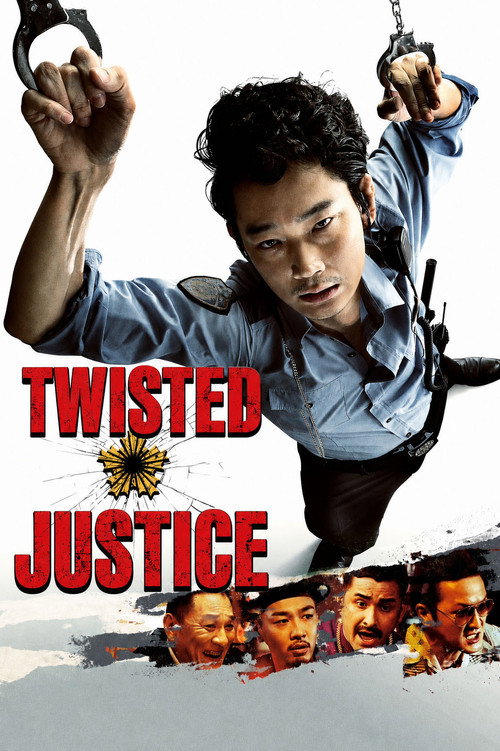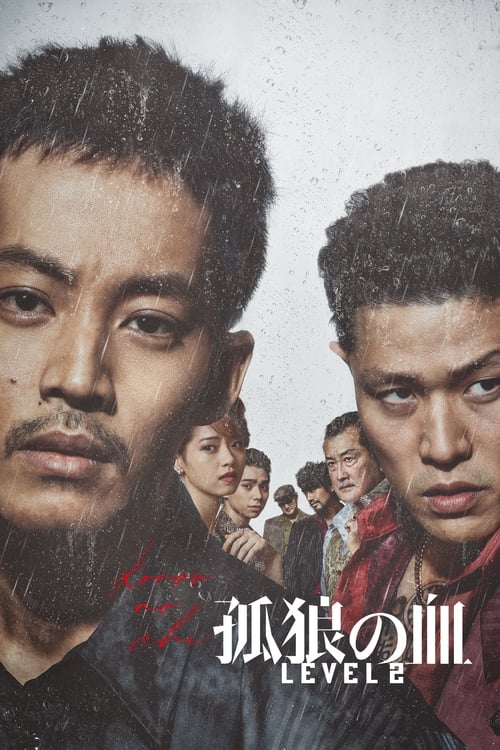
Last of the Wolves
2021
No user ratings available yet
Diversity score: 3.6 out of 10
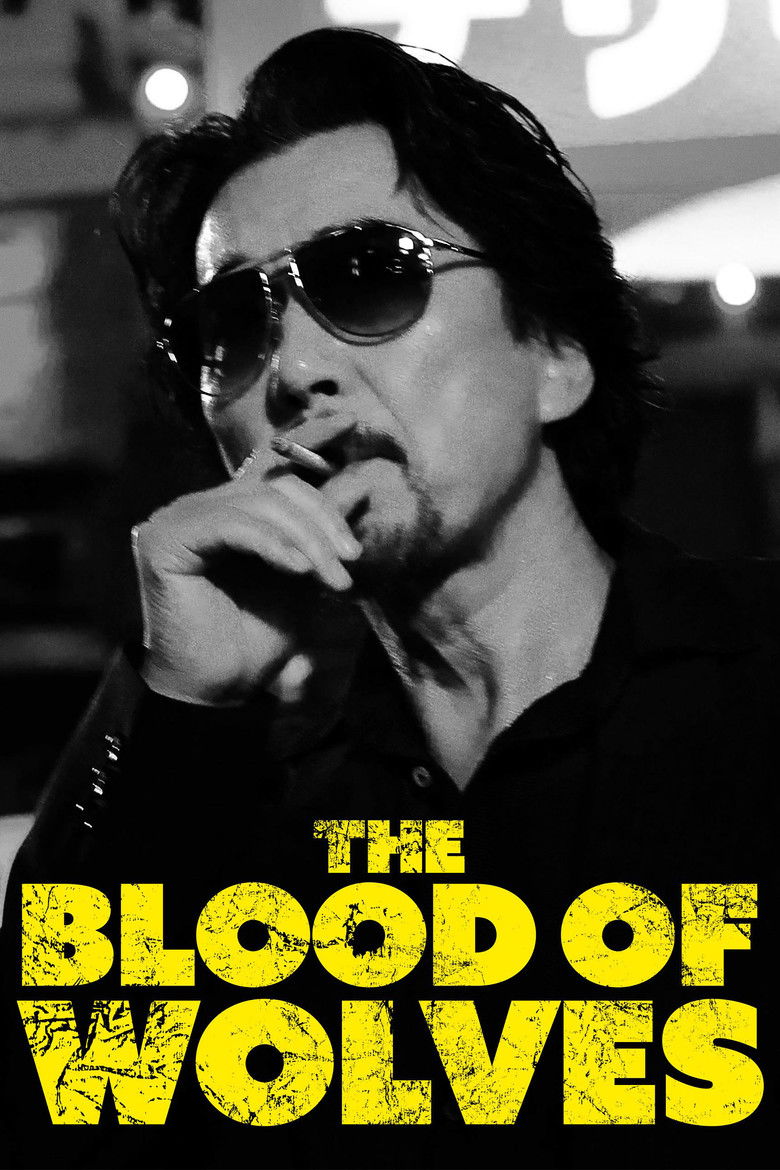
2018
RDirector
Kazuya Shiraishi
Runtime
126 minutes
Average Rating
No ratings yetSynopsis
Set in 1988 in Hiroshima, Japan, prior to the enactment of the anti-organized crime law. A rumor exists that Detective Shogo Ogami has ties with the yakuza. He is partnered with Detective Shuichi Hioka and they investigate a missing person case involving a financial company employee. Conflicts between opposing yakuza groups become more serious.
Overall Score
Limited
Category Breakdown
LGBTQ+ Representation
The film centers on hyper-masculine dynamics and rigid hierarchies. There are no queer narratives or non-cisnormative identities present within the primary character arcs.
Gender Representation
The narrative operates within a patriarchal framework, focusing almost exclusively on male agency. Female characters occupy peripheral roles, often serving as emotional anchors or victims.
Racial & Ethnic Diversity
The cast is ethnically homogeneous, reflecting the historical and geographic context of 1980s Hiroshima. This results in a lack of intersectional racial representation.
Religious & Cultural Diversity
The film offers a gritty view of Japanese society, exploring the blurred lines between law and the criminal underworld. It depicts institutional corruption and systemic dysfunction.
Disability Representation
Characters with visible or invisible disabilities lack agency. The story prioritizes physical prowess and the endurance of violence over neurodivergence or chronic illness.
Strengths
Areas for Improvement
AI Analysis
The Blood of Wolves is a period crime drama that prioritizes historical realism and the exploration of traditional masculine power dynamics. It functions as a genre-specific study of the volatile intersection between law enforcement and the yakuza in 1988 Hiroshima. While the film provides a nuanced look at societal dysfunction and the breakdown of institutional authority, it does so through a lens deeply rooted in traditional social structures. The narrative architecture reinforces the grit of the era rather than disrupting existing hierarchies. Ultimately, the film's focus on the 'lone wolf' archetype and masculine struggle for honor limits its intersectional breadth, resulting in a narrow demographic scope.
No reviews yet. Be the first to share your thoughts on this movie!
Use the rating form above to leave a star rating and optional review.