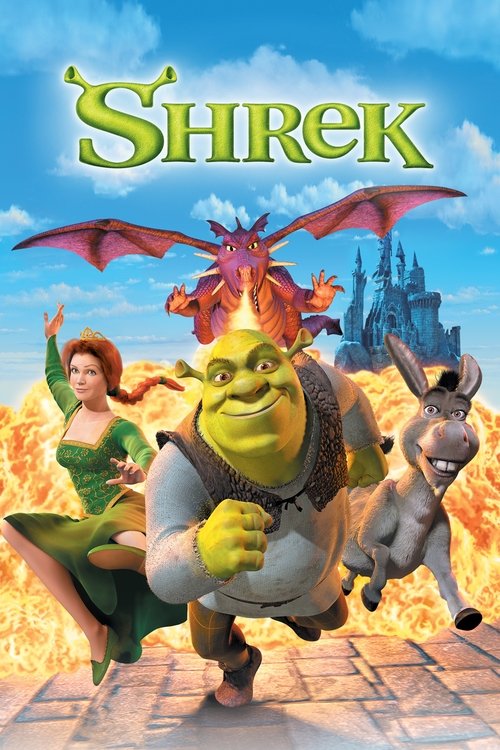
Shrek
2001
No user ratings available yet
Representation score: 8.7 out of 10
Representation Score
Good
2000
GDirector
Mark Dindal
Runtime
78 minutes
Average Rating
No ratings yetNew Showbiz Analysis
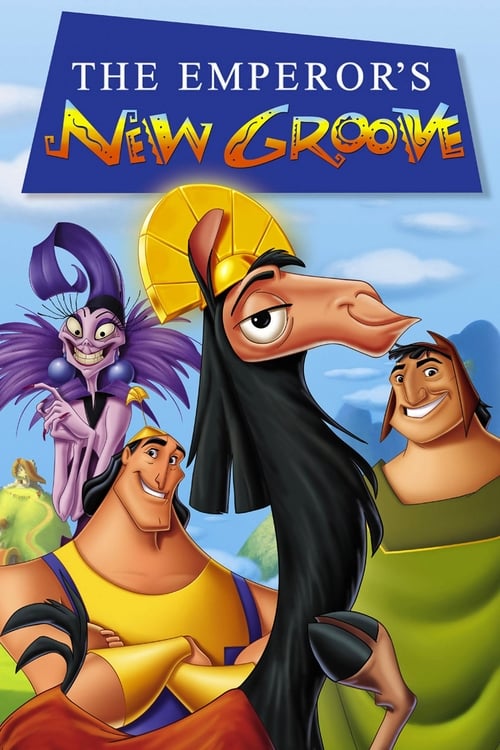
The film stands out by placing its narrative within a culturally rich Andean setting, offering a unique perspective on racial and ethnic identity. Additionally, Yzma is a powerful female character who challenges traditional gender roles. However, the film falls short in representing diverse identities, particularly in the absence of explicit LGBTQ+ characters and the use of physical transformation mainly for humor rather than deeper themes.
Category Breakdown
The film does not include explicit LGBTQ+ characters or relationships. The focus is on friendship and traditional conflicts between characters.
Yzma is a strong, influential character who drives the plot rather than being a supporting figure. The film challenges the idea of incompetent male leadership through Kuzco.
The story is set in an Andean-inspired world with an indigenous cultural style. It avoids Western norms by focusing on a specific cultural context.
The narrative criticizes excessive individualism and royal privilege. It emphasizes personal morality over religious or institutional doctrines.
Kuzco turning into a llama is used for comedic effect and symbolizes loss of control rather than exploring disability in depth.
Present on Screen
Limited or Absent
Official Synopsis
When the self‑absorbed Emperor Kuzco is accidentally transformed into a llama, he must rely on a humble villager to survive the jungle and reclaim his throne.
2001
1994
2010
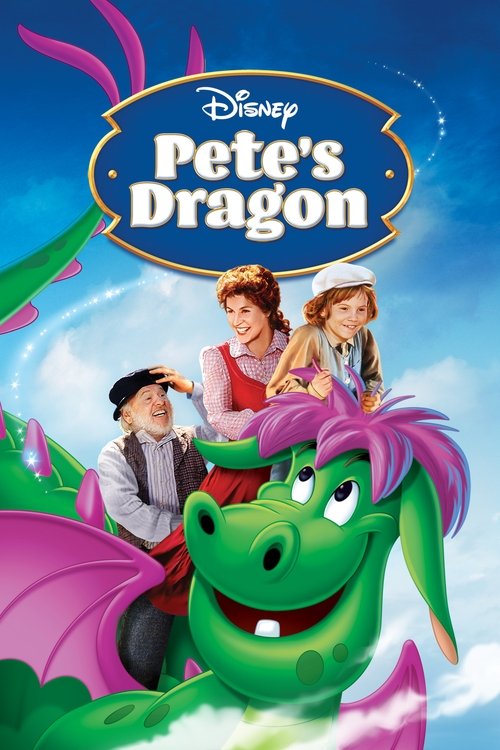
1977
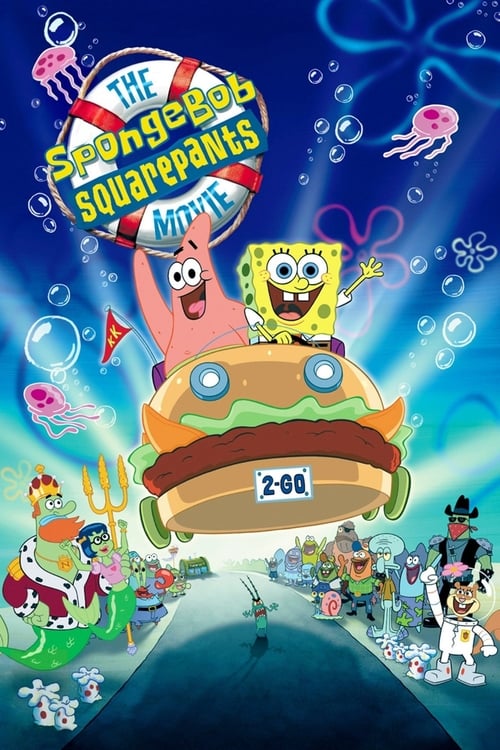
2004
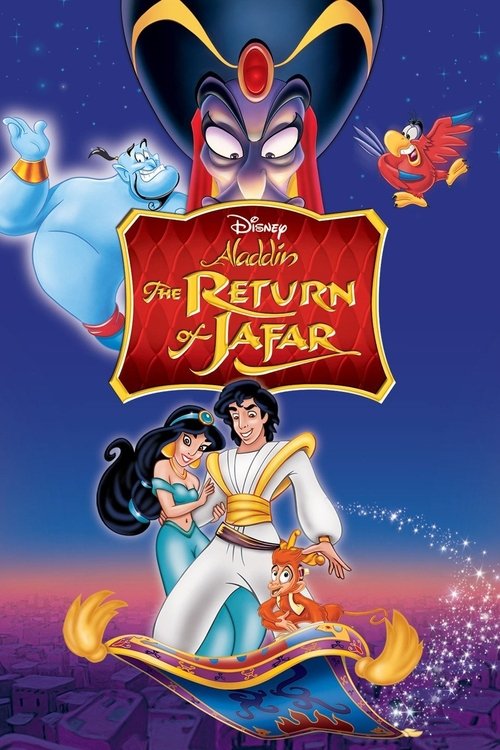
1994
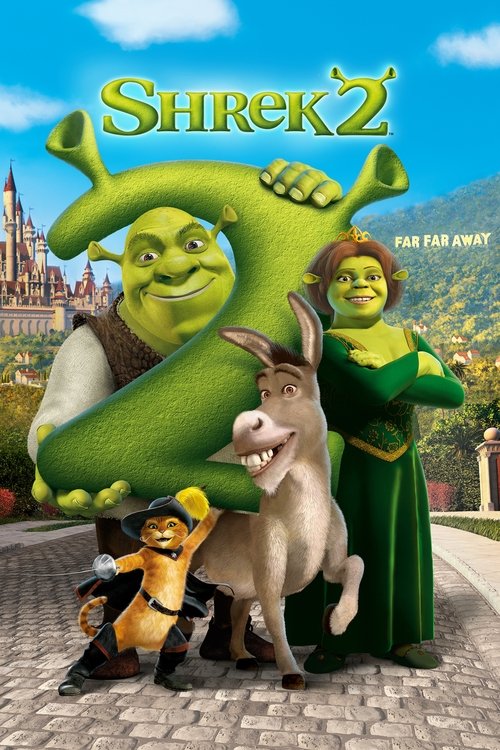
2004

1997
No reviews yet. Be the first to share your thoughts on this movie!
Use the rating form above to leave a star rating and optional review.