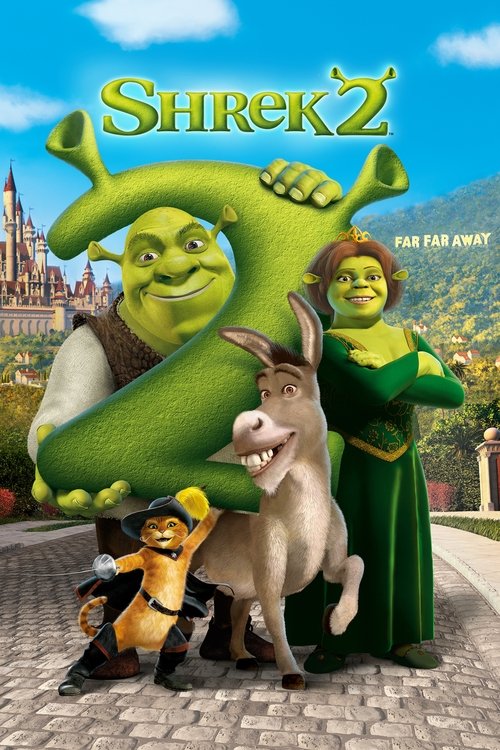
Shrek 2
2004
No user ratings available yet
Representation score: 8.6 out of 10
Representation Score
Good
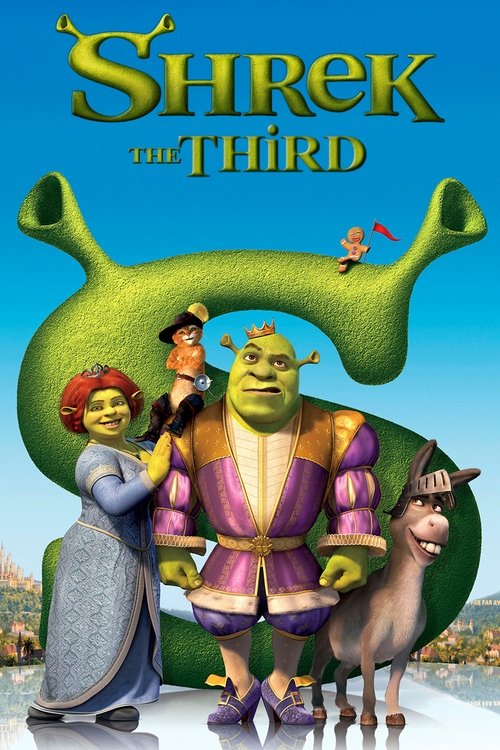
2007
PGDirector
Chris Miller
Runtime
93 minutes
Average Rating
No ratings yetNew Showbiz Analysis
Shrek the Third successfully deconstructs fairy tale clichés, especially gendered stereotypes, by showing Princess Fiona's transformation from a damsel to a sovereign leader. However, the film lacks characters who reflect more than one aspect of diversity, missing opportunities to explore LGBTQ+ identities or specific disability experiences. Instead, it uses broader social alienation clichés. Despite this, the movie rejects superficiality and traditional moral certainties, even while maintaining established fantasy power structures.
Category Breakdown
The story focuses on traditional family structures where everyone is assumed to be straight or cisgender. There are no clear depictions of LGBTQ+ relationships or non-cisgender identities.
Princess Fiona starts as a passive character but grows into a proactive leader with significant independence. The film highlights women as capable leaders who make important decisions.
Diversity is shown through various non-human species and magical creatures rather than human ethnicities. These characters represent social stratification and otherness.
The story criticizes the shallowness of celebrity culture through Prince Charming. However, it upholds the importance of monarchy and institutional legitimacy.
Representation of disability is limited to the 'underdog' cliché through Artie's social isolation. The film emphasizes bullying and social hierarchy rather than specific physical or neurodivergent conditions.
Present on Screen
Limited or Absent
Official Synopsis
After the King of Far Far Away dies, Shrek and Fiona are to succede. However, Shrek wants to return to his cozy swamp and live in peace and quiet, so when he finds out there is another heir to the throne, he and Donkey set off to bring him back to rule the kingdom. 199415
2004
2009
2010
2006
2007
2005
2001
2004
No reviews yet. Be the first to share your thoughts on this movie!
Use the rating form above to leave a star rating and optional review.