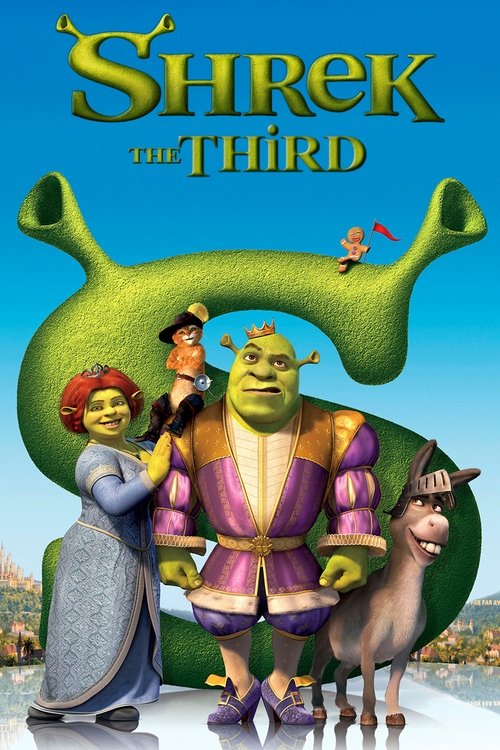
Shrek the Third
2007
No user ratings available yet
Representation score: 6.3 out of 10
Representation Score
Good
2004
TV-PGDirector
Simon J. Smith
Runtime
16 minutes
Average Rating
No ratings yetNew Showbiz Analysis
Shrek 3-D functions as a postmodern critique of fairy tale clichés, especially concerning gender roles and societal hierarchies. By evolving Fiona from a damsel in distress to an independent leader, the film challenges conventional narrative structures. However, its inclusivity is mostly symbolic. It employs a diverse cast of non-human creatures to signify pluralism, yet it does not directly address human racial or cultural identities. This approach enriches the world-building but lacks specific human representation. The film offers limited representation of LGBTQ+ individuals and disability, focusing more on comedic relief than on nuanced explorations of these identities.
Category Breakdown
The film does not explicitly include LGBTQ+ identities or non-binary gender expressions. Instead, it focuses on traditional family themes.
Princess Fiona transitions from a passive character to a proactive leader. However, the story is still largely driven by the male protagonist's journey.
The film features a diverse cast of non-human creatures like ogres and fairytale beings, which serve as a metaphor for cultural and ethnic diversity.
The movie critiques Western institutions and celebrity culture through its characters and storylines. It also explores meritocratic hierarchies and leadership.
Characters display eccentricities used primarily for comedic effect. The film does not deeply explore neurodivergence or physical disabilities.
Present on Screen
Limited or Absent
Official Synopsis
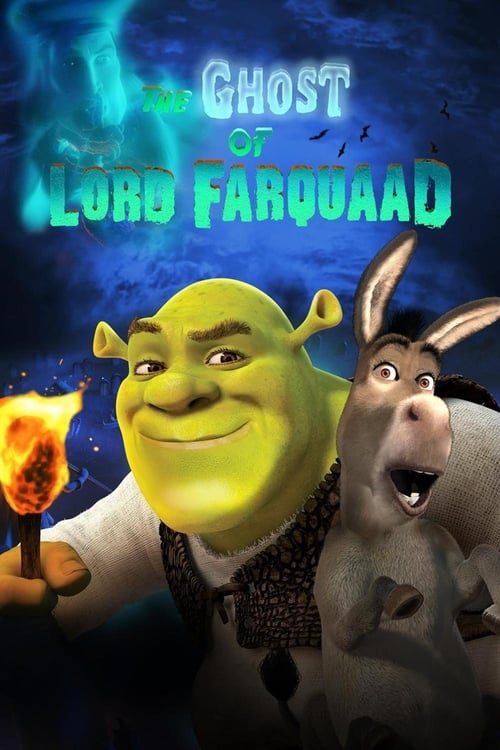
Lord Farquaad was eaten by the dragon, but his ghost has returned, and he's still evil. With the help of his henchman, Thelonious, he kidnaps Fiona. Shrek and the donkey set out to save her, with help from the dragon, before she goes over a waterfall on a raft.
2007
1977
2001
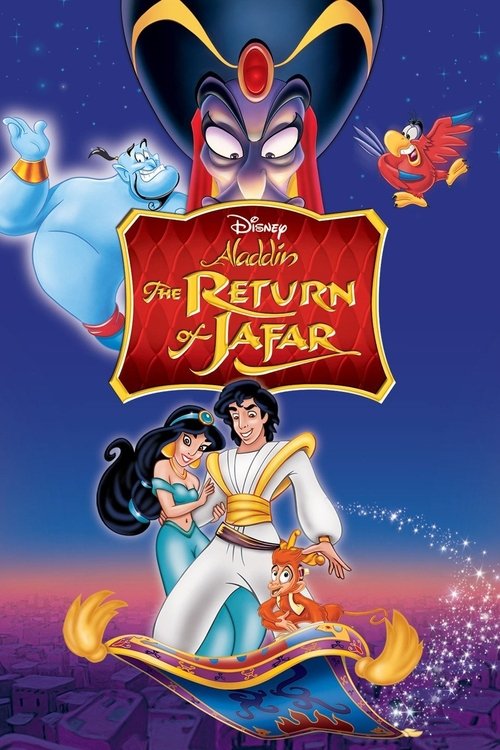
1994
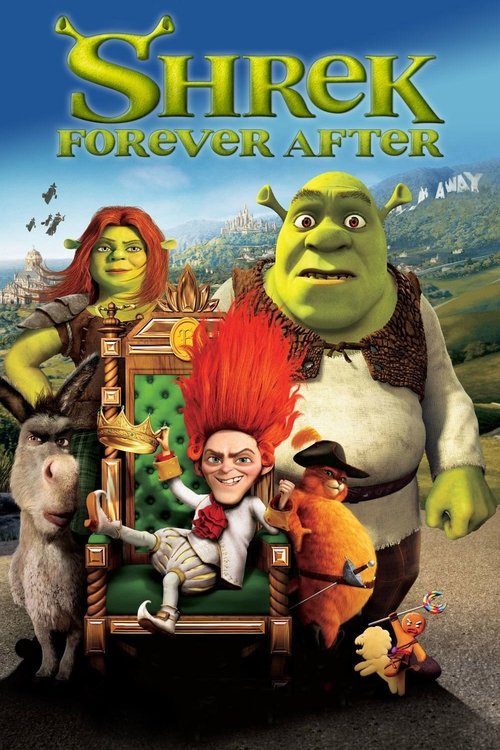
2010
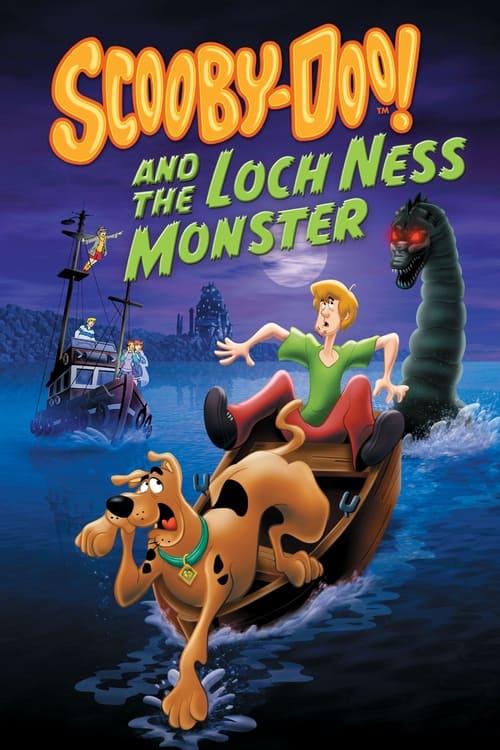
2004
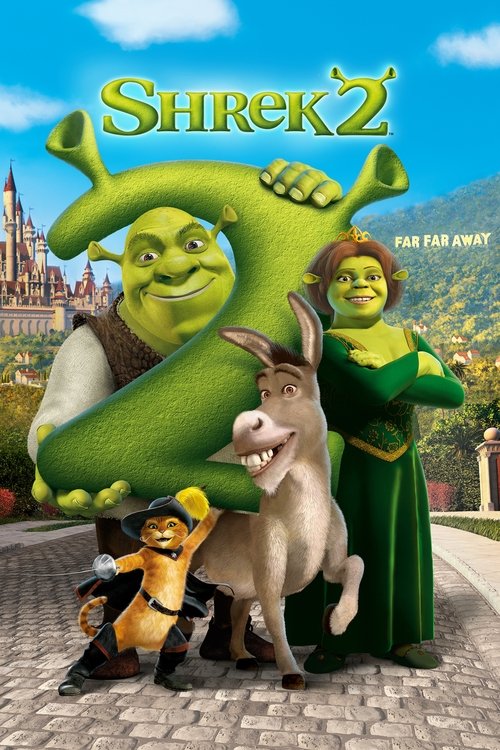
2004
2002
No reviews yet. Be the first to share your thoughts on this movie!
Use the rating form above to leave a star rating and optional review.