Shrek the Third
2007
No user ratings available yet
Representation score: 6.3 out of 10
Representation Score
Good
2010
PGDirector
Mike Mitchell
Runtime
93 minutes
Average Rating
No ratings yetNew Showbiz Analysis
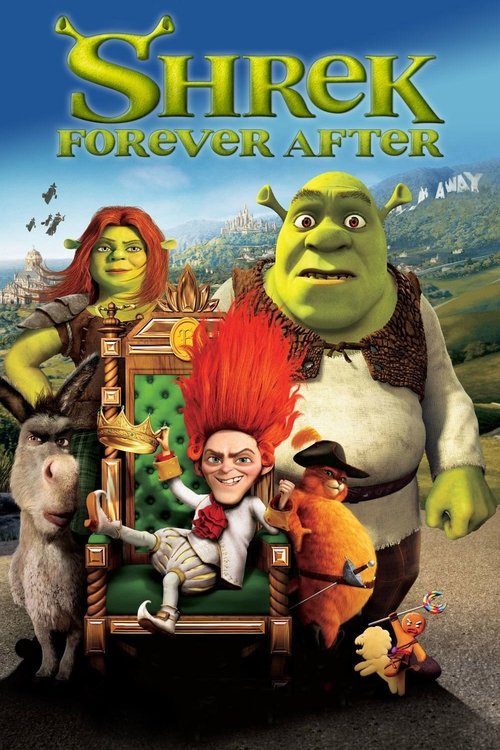
Shrek Forever After succeeds by deconstructing fairytale clichés and challenging systemic authority. Its strongest element is the subversion of gender hierarchies, particularly through Fiona's leadership in the ogre resistance. However, the film remains limited by its reliance on traditional romantic structures and a lack of intentional disability representation. While mythical creatures act as proxies for social diversity, the representation is more metaphorical than direct. Ultimately, the film offers a postmodern look at identity and oppression, moving beyond static moralities to explore the burdens of traditional social roles.
Category Breakdown
The story focuses on the relationship between Shrek and Fiona, which is centered around straight relationships. It lacks characters with diverse sexual orientations or gender identities and does not challenge traditional structures through a queer lens.
Fiona breaks the damsel stereotype by becoming a actively leading military commander. The film also explores how rigid masculine protector roles can create personal crises for Shrek.
The film uses various mythical species as stand-ins for ethnic diversity. The ogre identity serves as a metaphor for a underrepresented group facing systemic persecution.
The narrative critiques institutional power through Rumpelstiltskin’s predatory, contract-based rule. It deconstructs the 'happily ever after' ideal as a complex social construct.
Character designs appear to serve aesthetic or comedic purposes rather than exploring neurodivergence or physical disabilities. There is little evidence of characters with specific disability-related ability to act.
Present on Screen
Limited or Absent
Official Synopsis
A midlife-crisis burdened Shrek, longing for the days of when he felt like a real ogre, makes a pact with magic deal-maker Rumpelstiltskin. But when he's duped and sent to a twisted version of Far Far Away—where Rumpelstiltskin is king, ogres are hunted, and he and Fiona have never met—he sets out to restore his world and reclaim his true love.
2007
2009
2004
2010
2001

1997
2007
2008
No reviews yet. Be the first to share your thoughts on this movie!
Use the rating form above to leave a star rating and optional review.