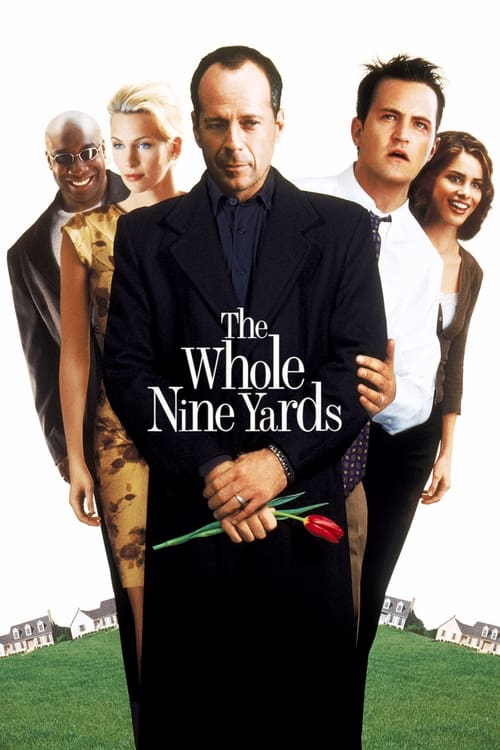
The Whole Nine Yards
2000
No user ratings available yet
Representation score: 1.1 out of 10
Representation Score
Minimal
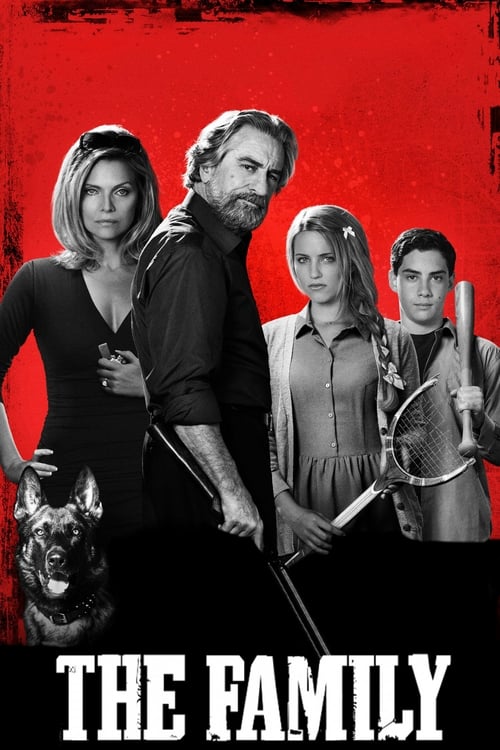
2013
RDirector
Luc Besson
Runtime
111 minutes
Average Rating
No ratings yetNew Showbiz Analysis
The Family is a traditional genre piece that emphasizes established social hierarchies and a homogeneous cast. It relies on conventional family structures and archetypes, offering limited progressive representation. The film uses moral relativism to humanize criminal families, blurring the line between law-abiding citizens and criminals. However, it does not challenge systemic structures or offer a broad cultural perspective. Overall, the film lacks multi-layered depth and focuses on traditional masculine leadership, resulting in low diversity scores.
Category Breakdown
The film does not include any non-straight or non-cisgender identities. There are no instances of same-sex relationships or characters with diverse gender identities.
The story emphasizes traditional masculinity and hierarchical structures. Female characters have their own choices, but the main conflict revolves around the patriarch's violent past and masculine identity.
The cast is predominantly white, with no significant racial or ethnic diversity. The story does not explore multi-layered themes related to race or ethnicity.
The film examines moral relativism by showing the human side of criminal families. It focuses on the tension between personal crime and societal norms, but does not delve into systemic issues.
There are no visible or invisible disabilities shown in the film. The narrative does not address neurodivergence or physical disabilities as part of the characters' experiences.
Present on Screen
Limited or Absent
Official Synopsis
After ratting out his Mafia cohorts, Giovanni Manzoni and his family enter the Witness Protection Program and relocate to a sleepy town in France. Despite the best efforts of their handler to keep them in line, Giovanni (now called Fred Blake), his wife and children can't help but resort to doing things the "family" way. However, their dependence on such old habits places everyone in danger from vengeful mobsters.
2000
2003

2023

1994
2005
2002
2003
2019
No reviews yet. Be the first to share your thoughts on this movie!
Use the rating form above to leave a star rating and optional review.