
Toro
2016
No user ratings available yet
Representation score: 3.0 out of 10
Representation Score
Limited
2019
RDirector
Marco Bellocchio
Runtime
151 minutes
Average Rating
No ratings yetNew Showbiz Analysis
The film presents a specialized, historically homogeneous world that lacks broad demographic variety. Its low scores in gender and LGBTQ+ representation stem from its focus on hyper-masculine, patriarchal structures of the Mafia and the penal system. However, the work achieves high marks for cultural subversion. It avoids standard moral binaries, instead using a sophisticated lens to deconstruct the integrity of state institutions and established social hierarchies. Ultimately, the film's value lies in its interrogation of systemic control and the psychological cost of breaking from a closed community, rather than in its breadth of identity representation.
Category Breakdown
The film focuses on a hyper-masculine, traditional setting where LGBTQ+ identities and non-conforming gender expressions are not represented. It critiques the insular social environment that excludes such identities.
The narrative centers on rigid, aggressive male hierarchies within criminal and state organizations. It examines the toxicity of traditional masculinity and patriarchal codes without challenging gender roles through inclusion.
Set in Sicily, the cast reflects the specific demographic and ethnic identity of the time. The film explores 'otherness' through the protagonist’s status as an outsider within his own culture.
The film excels in critiquing traditional Western institutions and state apparatus. It portrays the state as a manipulative entity, analyzing the protagonist's choices through situational ethics rather than binary morality.
There are no prominent depictions of visible or invisible disabilities that serve as central narrative drivers in this story.
Present on Screen
Limited or Absent
Official Synopsis
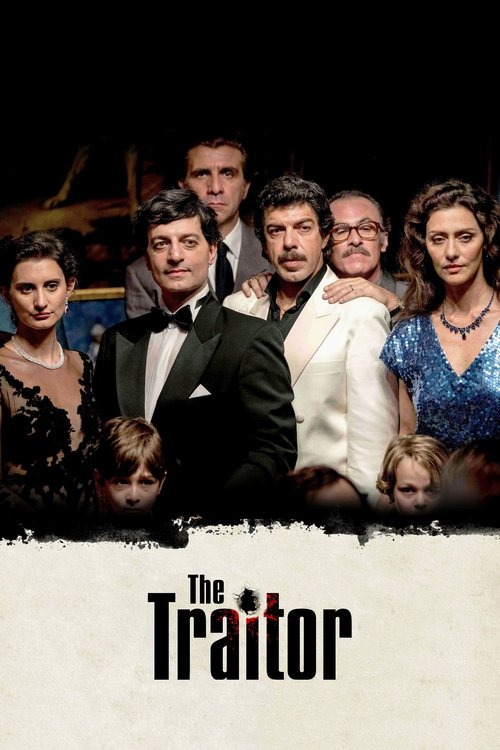
Palermo, Sicily, 1980. Mafia member Tommaso Buscetta decides to move to Brazil with his family fleeing the constant war between the different clans of the criminal organization. But when, after living several misfortunes, he is forced to return to Italy, he makes a bold decision that will change his life and the destiny of Cosa Nostra forever.
2016

2018
2025

2016

2019

1972

2022

1994
No reviews yet. Be the first to share your thoughts on this movie!
Use the rating form above to leave a star rating and optional review.