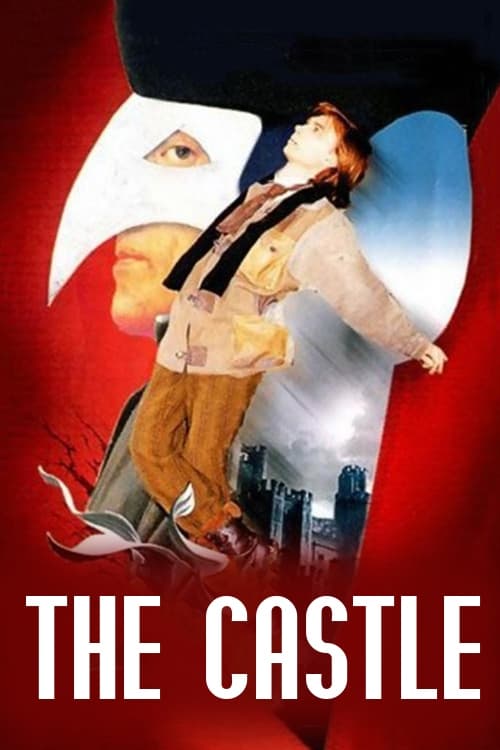
The Castle
1994
No user ratings available yet
Representation score: 4.4 out of 10
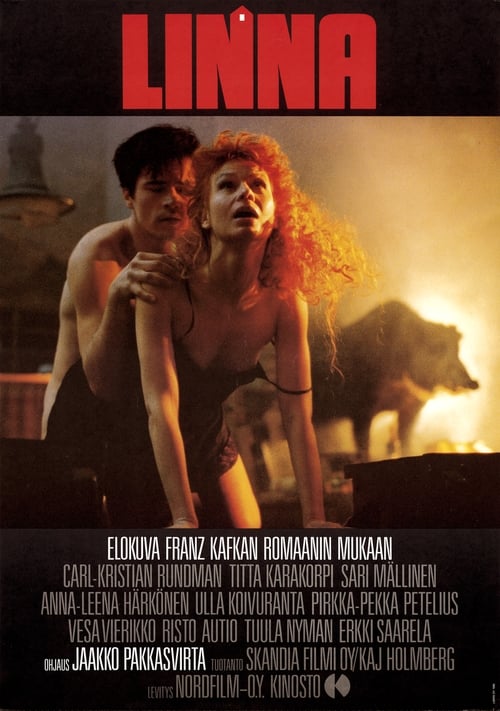
Representation Score
Excellent
1986
Director
Jaakko Pakkasvirta
Runtime
99 minutes
Average Rating
No ratings yetNew Showbiz Analysis
Linna is a cinematic deconstruction of institutional power that emphasizes themes of systemic alienation. By adapting Kafka’s existentialist framework, the film focuses on the futility of individual influence when faced with opaque, hierarchical structures. The work excels in its cultural critique, challenging the legitimacy of established institutions through the protagonist's struggle. However, the film lacks overt demographic diversity in its casting. The narrative relies more on intellectual subversion and thematic density than on the representation of varied racial or sexual identities.
Category Breakdown
The film examines unconventional intimacy and transactional sexual encounters that don't offer much relief. These elements suggest a focus on superficial human connections, but there is no clear indication of LGBTQ+ identities.
The narrative challenges traditional leadership roles by depicting the ruler as an inaccessible, mysterious figure. The portrayal of masculine authority highlights confusion and systemic abuse rather than stability.
The production follows a traditional approach to casting within a European setting. There is no evidence of a non-white majority cast or intentional race-bending.
The film provides a strong critique of Western institutionalism and centralized power. It uses the unreachable 'Castle' to mirror contemporary anxieties about oppressive, illogical state bureaucracies.
Josef K. experiences a severe psychological crisis within a maze of confusing dialogue. This struggle serves as a metaphor for mental health challenges, though no specific physical disabilities are mentioned.
Present on Screen
Limited or Absent
Official Synopsis
Based on Franz Kafka's famous novel, director Jaakko Pakkasvirta created this interpretation of the woebegone Josef K., who is trapped in an ever-increasing labyrinth of double talk and bureaucratic nonsense in his efforts to reach the castle. As Josef seeks to make an appointment to see the ruler Herr Klamm inside his inaccessible abode, he becomes enmeshed in abuse from lowly villagers and bureaucrats alike. His endless false starts toward the castle's enigmatic interior are partly offset by a few sexual encounters but nothing alleviates his role as a victim of forces beyond his control.
1994

1975
1997
1962
1964
1962
2021
1994
No reviews yet. Be the first to share your thoughts on this movie!
Use the rating form above to leave a star rating and optional review.