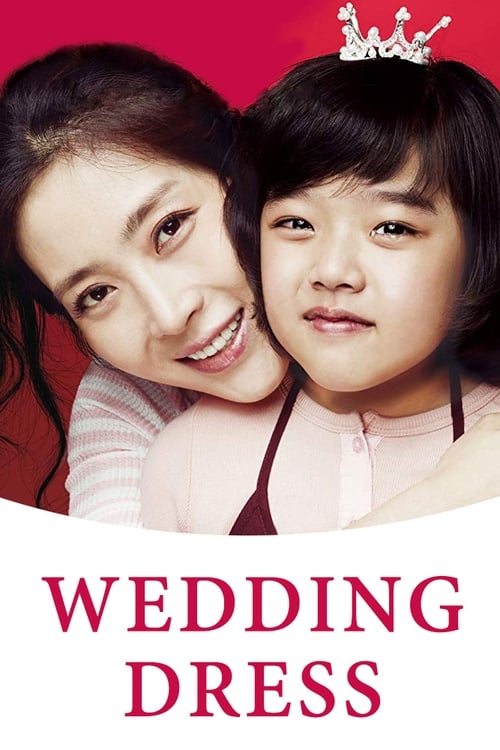
Wedding Dress
2010
No user ratings available yet
Representation score: 5.0 out of 10

Representation Score
Good
2014
Not RatedDirector
Kim Tae-yun
Runtime
120 minutes
Average Rating
No ratings yetNew Showbiz Analysis
Another Family is a grounded social drama that prioritizes socio-economic struggle over overt identity politics. It uses the intersection of health crises and financial hardship to challenge the perceived stability of the middle class. The film succeeds in humanizing the systemic pressures of late-stage capitalism through a working-class lens. By centering the daughter's vulnerability, it shifts the narrative focus from traditional patriarchal roles toward a study of endurance. However, the film remains within a conventional framework, lacking engagement with LGBTQ+ identities and maintaining a culturally homogeneous cast typical of regional dramas.
Category Breakdown
The film focuses on a traditional nuclear family structure and does not engage with LGBTQ+ identities or non-cisgender themes.
The story centers on Yoon-mi's resilience, moving beyond a patriarchal provider model. Her transition from a corporate professional to a vulnerable figure drives the emotional momentum of the film.
As a South Korean production, the cast is culturally homogeneous, offering a localized lens on the working class rather than a multi-ethnic approach.
The narrative critiques modern economic structures and the pressures of corporate life. It explores the tension between individual well-being and systemic financial instability.
The plot relies on the lived experience of a serious medical condition. The focus remains on the emotional impact of chronic illness and physical vulnerability.
Present on Screen
Limited or Absent
Official Synopsis
Taxi driver Sang-gu is an ordinary father who has made a happy family. Due to their unfortunate financial circumstances, he is sorry that he cannot afford to send his daughter Yoon-mi to university like other parents. Yet, with a bright smile on her face, Yoon-mi tells her father that she will one day buy him a new car and pay college tuition fees for her younger sibling. However, less than two years after Yoon-mi begins her job at a large corporate company, she gets seriously ill and returns home. Sang-gu is heartbroken to see his young daughter in such a condition.
2010
2002

2020
1936

2007
2017

2020

2022
No reviews yet. Be the first to share your thoughts on this movie!
Use the rating form above to leave a star rating and optional review.