Kiss Me Much
2001
No user ratings available yet
Representation score: 1.9 out of 10
Representation Score
Excellent
2020
Director
Jung Yeon-kyung
Runtime
96 minutes
Average Rating
No ratings yetNew Showbiz Analysis
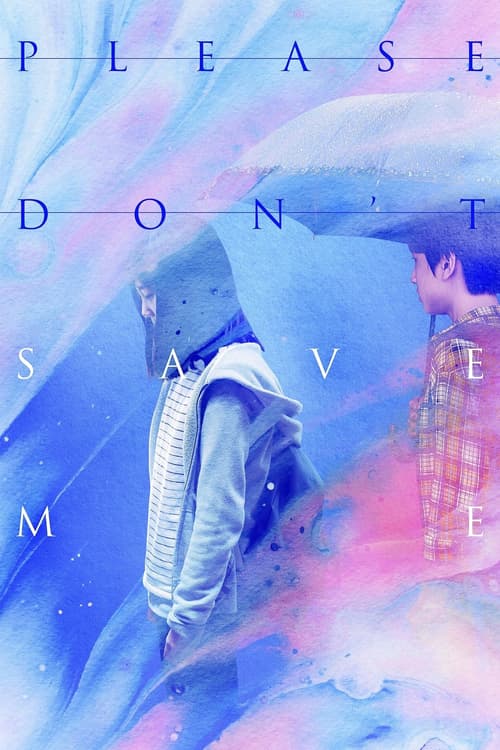
Please Don't Save Me is a social drama that deconstructs the traditional provider archetype. By centering on the aftermath of a father's suicide, the film moves away from idealized family units to explore survival within a fractured social fabric. The narrative's strength lies in its subversion of patriarchal stability. It elevates the role of female characters as they navigate systemic economic pressures and the instability caused by a collapsed household. While the film offers a sharp critique of domestic hierarchies and capitalist burdens, it remains a localized social drama. It lacks evidence of broader multi-layered diversity or specific representations of disability and LGBTQ+ identities.
Category Breakdown
The film does not include any explicit references to LGBTQ+ characters or themes. There is no indication of either positive or negative portrayals of LGBTQ+ individuals.
The story shifts focus from a traditional male head-of-household to female protagonists. It emphasizes the resilience and emotional labor of a mother and daughter after a patriarchal collapse.
As a South Korean production, the film depicts a specific ethnic context. However, there is no evidence of diverse racial blending or the subversion of ethnic norms.
The film challenges traditional Confucian-aligned institutions by presenting the nuclear family and the father figure as sources of trauma. It critiques the capitalist structures and debt that lead to familial displacement.
While the narrative explores the psychological trauma of suicide, there is no specific evidence regarding the portrayal of physical disabilities or neurodivergence.
Present on Screen
Limited or Absent
Official Synopsis
After Seon-yoo's father committed suicide leaving behind a large sum of debt for them, Mother and 12-year-old Seon-yoo move to a new place to have new start.
2001

2014

2021
2002

2020
2014

2011
2021
No reviews yet. Be the first to share your thoughts on this movie!
Use the rating form above to leave a star rating and optional review.