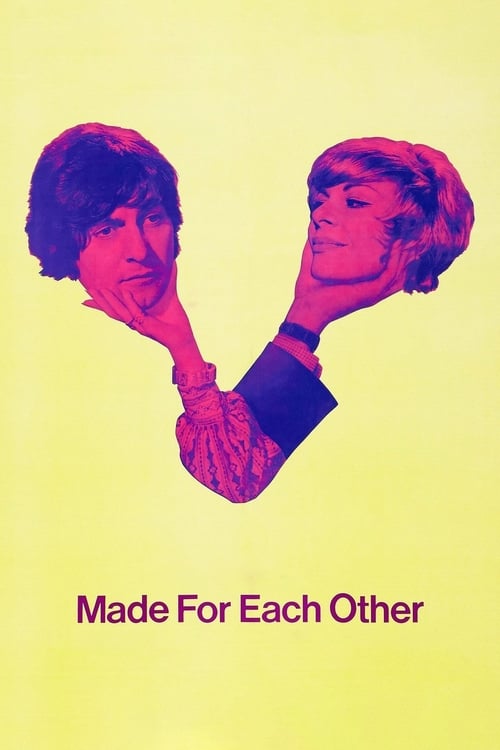
Made For Each Other
1971
No user ratings available yet
Representation score: 3.6 out of 10
Representation Score
Fair
1972
PGDirector
Milton Katselas
Runtime
109 minutes
Average Rating
No ratings yetNew Showbiz Analysis
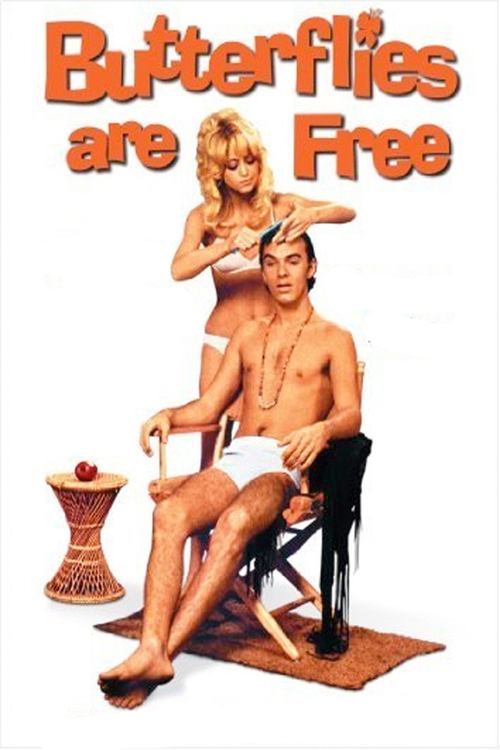
Butterflies Are Free is a transitional film for its time. It successfully portrays nuanced gender roles and questions traditional social institutions. The film avoids strict moral condemnation of infidelity, instead emphasizing personal truth. However, the film falls short in terms of racial and LGBTQ+ representation. Its setting is confined to a specific, homogeneous social environment. Overall, while the film explores evolving interpersonal ethics, it remains rooted in the social contexts of the early 1970s.
Category Breakdown
The film follows conventional assumptions about straight relationships and ignores non-straight identities. It does not include narratives that question traditional gender roles.
The movie highlights a woman's independence and intellect. It challenges traditional gender roles by focusing on a woman's emotional and intellectual journey.
The film features a predominantly white cast and setting. It centers on an upper-middle-class, white urban community without much ethnic variety.
The story examines the breakdown of traditional family structures and marriage norms. It presents the dissolution of these norms through a morally relative lens.
The main character is blind, but the story emphasizes his quest for independence. His blindness is a character trait rather than a central plot element.
Present on Screen
Limited or Absent
Official Synopsis
Striving to be independent, the blind but determined Don Baker moves away from his overprotective mother. After settling into his new San Francisco digs, Don meets kooky neighbor Jill Tanner. Don's quick wit and good looks disarm the free-spirited Jill, and before long they're more than just friends. Will Mrs. Baker's incessant meddling destroy Don and Jill's budding relationship?
1971

1971
1970
1967

1977
1973

1983
1972
No reviews yet. Be the first to share your thoughts on this movie!
Use the rating form above to leave a star rating and optional review.