Betsy's Wedding
1990
No user ratings available yet
Diversity score: 2.5 out of 10
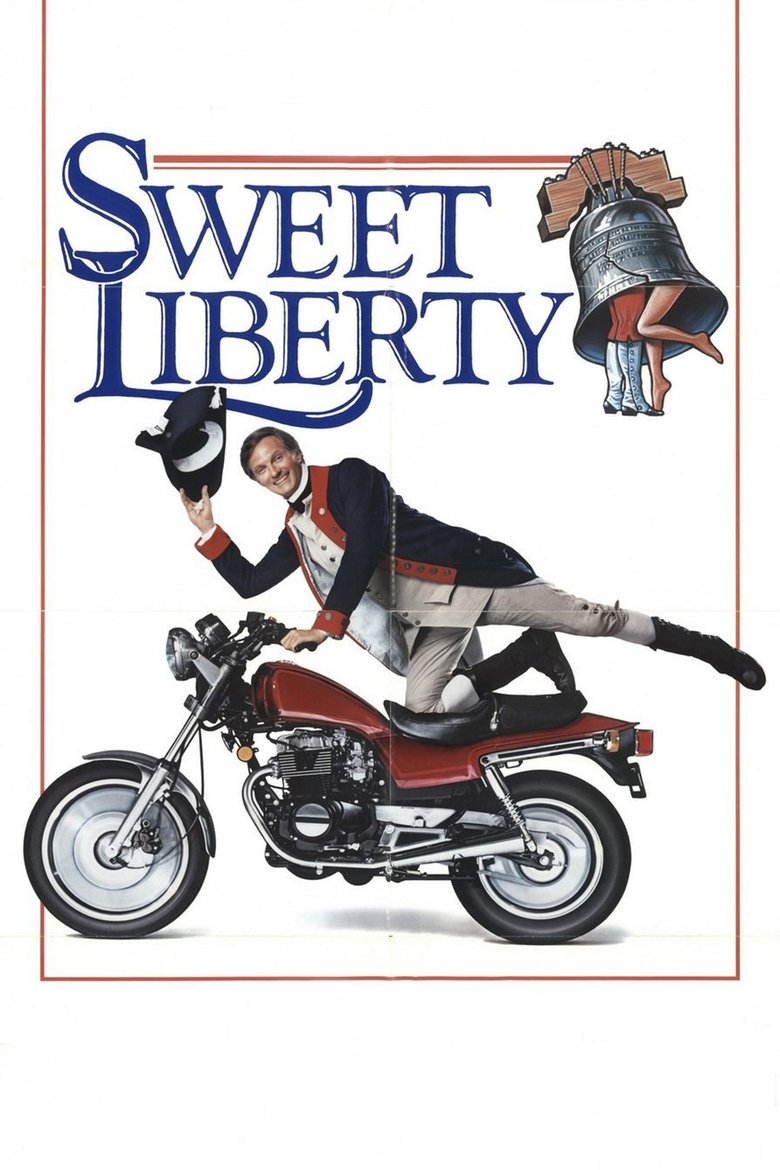
1986
PGDirector
Alan Alda
Runtime
106 minutes
Average Rating
No ratings yetSynopsis
Michael Burgess is an academic who has written a scholarly book on the American Revolution which Hollywood has bought the film rights to. The arrival of the film crew seriously disrupts him as actors want to change their characters, directors want to re-stage battles, and he becomes infatuated with Faith who will play the female lead in the movie. At the same time, he is fighting with his crazy mother who thinks the Devil lives in her kitchen, and his girlfriend who is talking about commitment.
Overall Score
Limited
Category Breakdown
LGBTQ+ Representation
The film lacks visible LGBTQ+ characters or narratives. Romantic tensions are framed entirely within traditional heteronormative structures, focusing on the protagonist's infatuation with the female lead.
Gender Representation
Female characters challenge the protagonist's stability, yet the narrative remains anchored in a male-centric perspective. Female agency is often tethered to domestic or emotional disruptions rather than independent trajectories.
Racial & Ethnic Diversity
The ensemble is predominantly white and middle-class, reflecting the specific social milieu of the 1950s setting. The film does not utilize diverse ethnic ensembles to challenge period constraints.
Religious & Cultural Diversity
The narrative critiques how dominant cultural institutions and political machines manipulate truth for profit. This tension between scholarly truth and commercialized history provides a nuanced view of systemic integrity.
Disability Representation
Representation is limited to the depiction of mental instability through the protagonist's mother. Her character leans toward the trope of the eccentric rather than offering a nuanced exploration of mental health.
Strengths
Areas for Improvement
AI Analysis
Sweet Liberty functions as a character-driven comedy that prioritizes interpersonal conflict and institutional skepticism over intersectional representation. It succeeds in critiquing the commercialization of history but lacks demographic breadth. The film's focus remains on a male academic navigating the friction between idealism and mass media. This centering results in a narrative that feels traditional and homogeneous, particularly regarding race and queer identities. While the film offers a sophisticated meta-commentary on how Hollywood reconstructs reality, it fails to provide significant agency to characters outside the protagonist's immediate social circle.
1990

1969
1972
1968
1978
1999

1989
1981
1997
1962
1960
1963
No reviews yet. Be the first to share your thoughts on this movie!
Use the rating form above to leave a star rating and optional review.