
Chemmeen
1965
No user ratings available yet
Representation score: 5.0 out of 10
Representation Score
Fair
1950
Director
Kidar Nath Sharma
Runtime
116 minutes
Average Rating
No ratings yetNew Showbiz Analysis
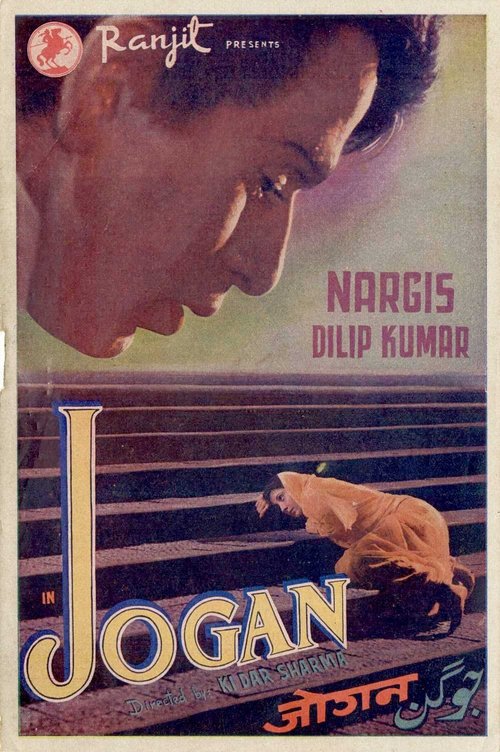
Jogan is a mid-century melodrama that balances traditional social hierarchies with unexpected ideological depth. Its primary strength lies in its culturally authentic depiction and its exploration of complex questions of morality and materialism. However, the film remains conservative regarding gender dynamics, where the female protagonist's influence is tied to spiritual sacrifice, aligning with the era's norms rather than challenging them. Additionally, the romantic structure is strictly heterosexual. Ultimately, the film serves as a transitional piece, moving beyond simple melodrama by introducing nuanced questions while staying rooted in the social norms of 1950s India.
Category Breakdown
The film follows a strictly heterosexual romantic storyline, focusing solely on the relationship between a man and a woman, and does not depict any non-cisgender identities.
Gender roles in the film adhere to mid-20th century traditions, emphasizing the female lead’s emotional labor and spiritual sacrifice. Her influence is tied to asceticism rather than challenging patriarchal norms.
The film showcases a predominantly South Asian cast, offering a culturally authentic depiction of the time period. It avoids whitewashing or imposing Western casting norms.
The narrative delves into the tension between secularism and religious devotion through an atheist protagonist, fostering an intellectual debate that challenges the dominance of religious dogma.
There is no significant portrayal of physical or neurodivergent disabilities in this work.
Present on Screen
Limited or Absent
Official Synopsis
An atheist falls in love with a married devout woman who has forsaken materialistic life.
1965

1989
1975

1959

2010

2005

2011

1965
No reviews yet. Be the first to share your thoughts on this movie!
Use the rating form above to leave a star rating and optional review.