Kamchatka
2002
No user ratings available yet
Representation score: 4.0 out of 10
Representation Score
Fair
1986
Director
Héctor Olivera
Runtime
105 minutes
Average Rating
No ratings yetNew Showbiz Analysis
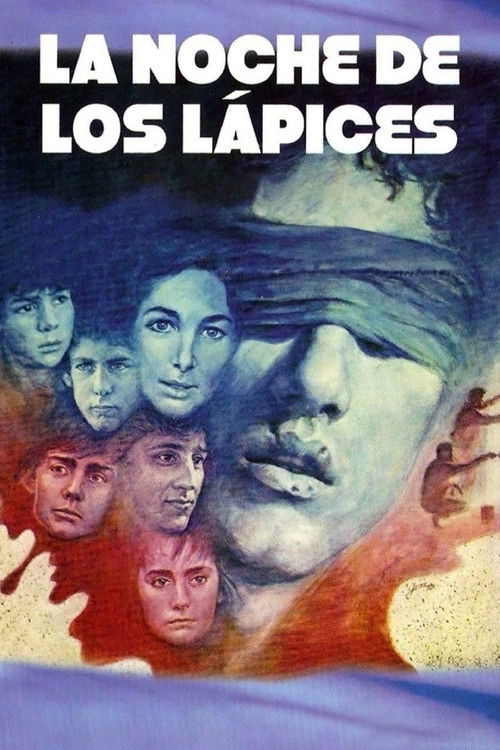
Héctor Olivera’s film is a critical examination of institutional power and systemic corruption. It serves as a historical critique of the Argentine dictatorship, presenting the state as a source of oppression rather than a protector of the social contract. The narrative effectively dismantles the moral authority of the military junta by highlighting the ability to act of student activists. However, the film’s scope is limited, lacking representation of LGBTQ+ identities and diverse racial backgrounds.
Category Breakdown
The film focuses on the political activism of student groups but does not include any characters with non-traditional gender identities or challenge the assumption that everyone is straight.
Women play active roles in political resistance, sharing the physical and emotional hardships of state repression with men, breaking away from traditional domestic roles.
The story centers on a specific historical event in Argentina, emphasizing the socio-political identity of the students without exploring diverse racial backgrounds or multi-ethnic casting.
The film critiques Western institutions by depicting the military as oppressive. It highlights the struggle of the oppressed against centralized, authoritarian power.
The film portrays physical trauma and bodily harm as a critique of state-sponsored torture. These depictions are a result of systemic violence rather than an exploration of disability as an identity.
Present on Screen
Limited or Absent
Official Synopsis
The Night of the Pencils was a series of kidnappings and forced disappearances, followed by the torture, rape, and murder of a number of young students during the last Argentine dictatorship (known as the National Reorganization Process). The kidnappings took place over the course of several days beginning on September 16, 1976.
2002

1985
2004
2020
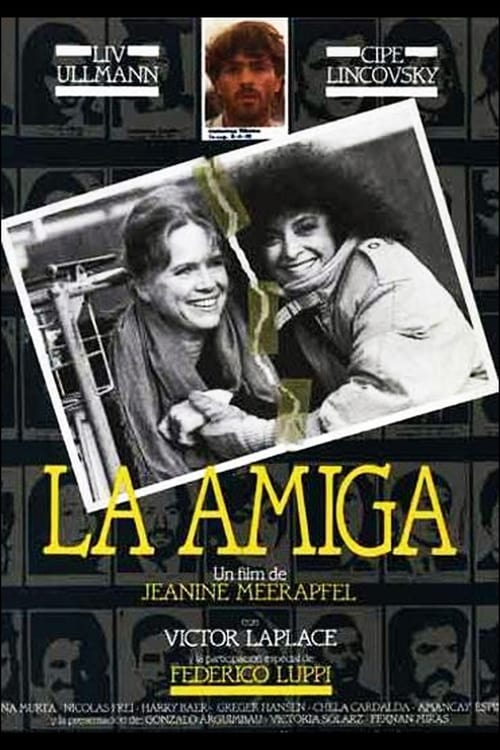
1989
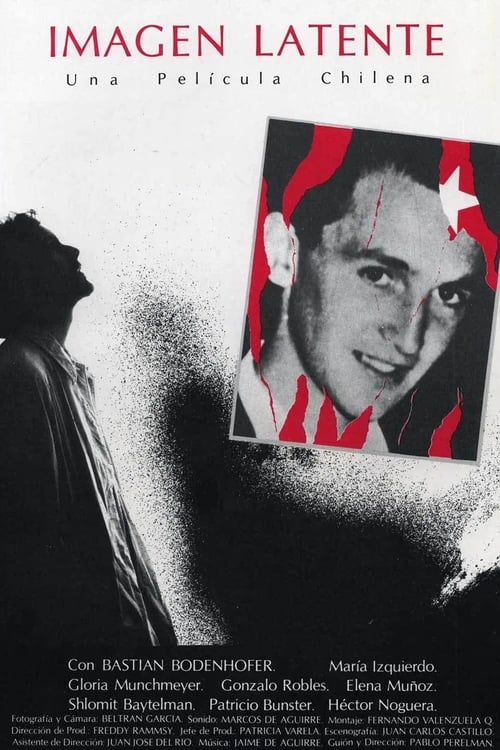
1990
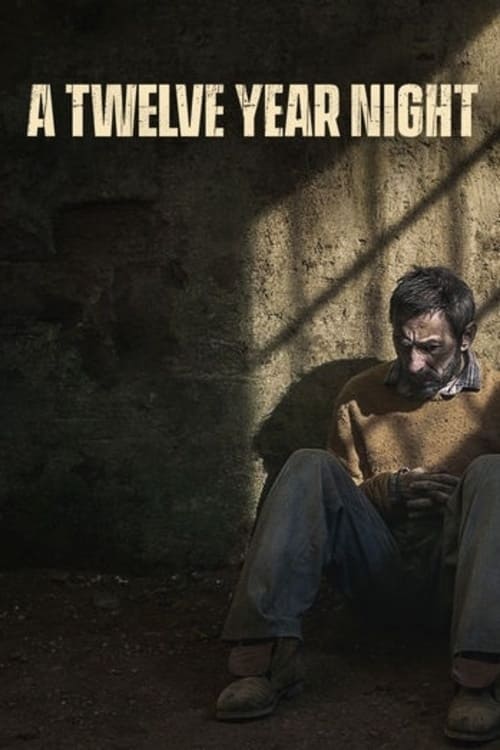
2018
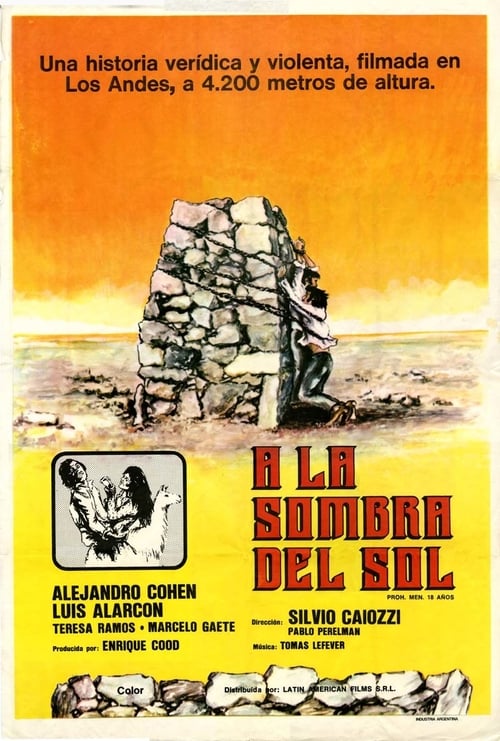
1974
No reviews yet. Be the first to share your thoughts on this movie!
Use the rating form above to leave a star rating and optional review.