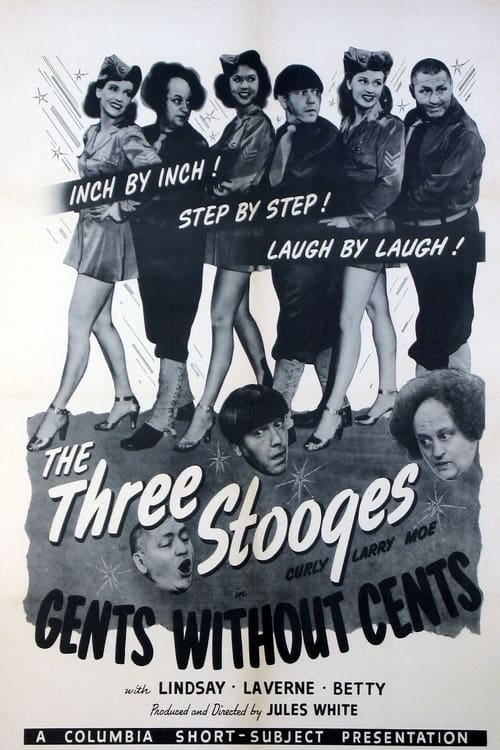
Gents Without Cents
1944
No user ratings available yet
Representation score: 0.8 out of 10
Representation Score
Minimal
1946
NRDirector
Jules White
Runtime
16 minutes
Average Rating
No ratings yetNew Showbiz Analysis
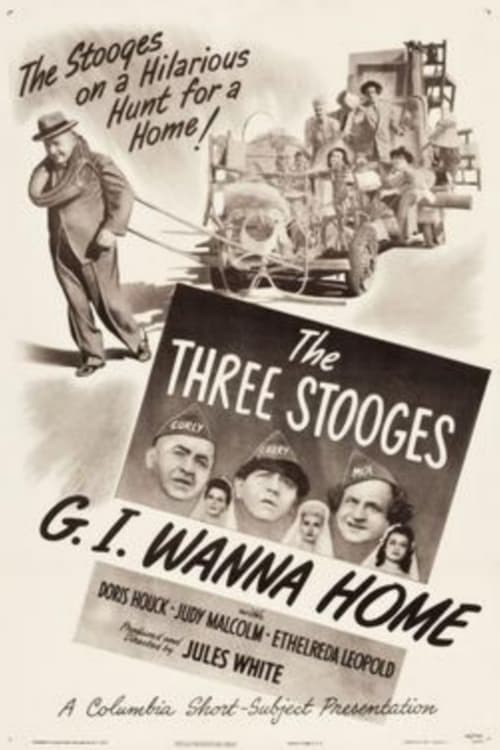
G.I. Wanna Home is a period-typical slapstick comedy that reinforces the social hierarchies of the post-war era. The narrative structure prioritizes physical comedy and traditional domestic aspirations over any meaningful exploration of identity. The film relies on conventional archetypes, centering the plot on the pursuit of marriage and property. This framework reinforces a narrow view of social stability and domestic success. Ultimately, the work lacks complexity in its portrayal of identity. It functions as a formulaic comedy that adheres to the homogeneous demographic and social norms of the 1940s.
Category Breakdown
The film focuses on traditional romantic pairings between the protagonists and their fiancées. There is no indication of LGBTQ+ identities or any critique of the assumption that everyone is straight or cisgender.
Female characters serve primarily as motivators for the male leads. The plot centers on men failing to meet their partners' expectations, reinforcing traditional gender roles regarding provision.
The narrative lacks any indication of racial blending or diverse casting. The production context suggests a cast reflecting the homogeneous demographic norms of 1946.
The story emphasizes mid-century Western values like marriage and homeownership. Conflict arises from the characters' inability to achieve these traditional milestones of social stability.
There is no evidence of characters with physical or neurodivergent disabilities. The focus remains entirely on the slapstick struggles of the central male trio.
Present on Screen
Limited or Absent
Official Synopsis
The stooges are discharged from the army and go to see their fiancée, but find they have been dispossessed and the wedding is off until they find a home. The boys have trouble finding a vacant apartment so they set up housekeeping in a vacant lot. Their housing problems seem to be solved until a farmer destroys their new home with a tractor. The stooges then build a house of their own, but the girls aren't impressed with the one room mansion and walk out on them.
1944
1953
1958
1950
1937
1944
1940
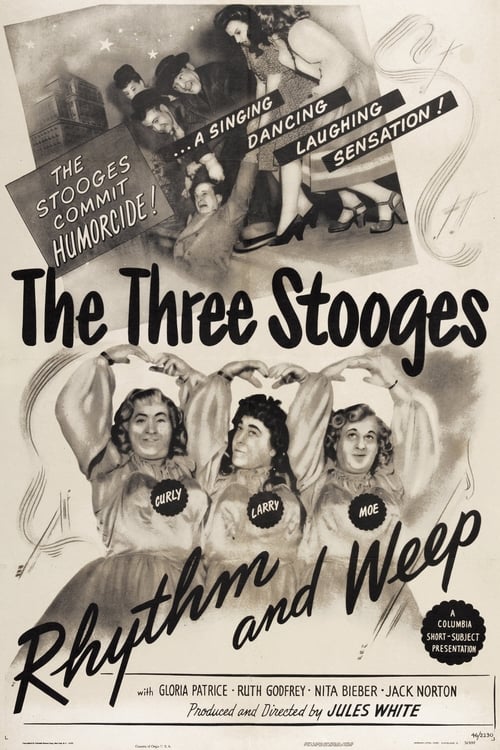
1946
No reviews yet. Be the first to share your thoughts on this movie!
Use the rating form above to leave a star rating and optional review.