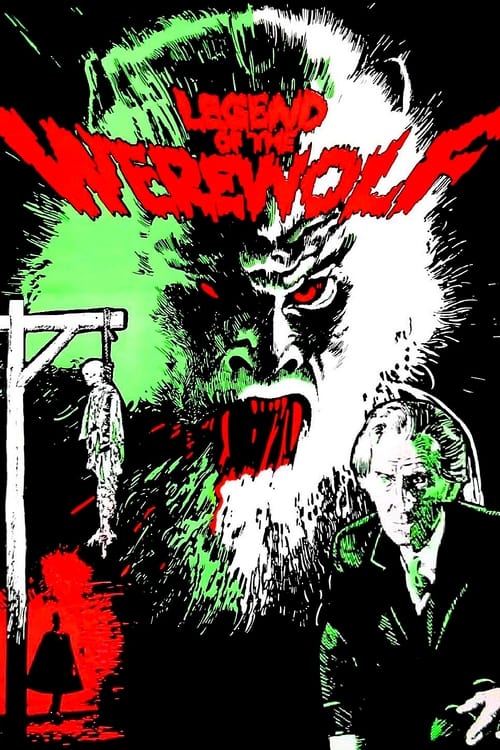
Legend of the Werewolf
1975
No user ratings available yet
Diversity score: 1.6 out of 10
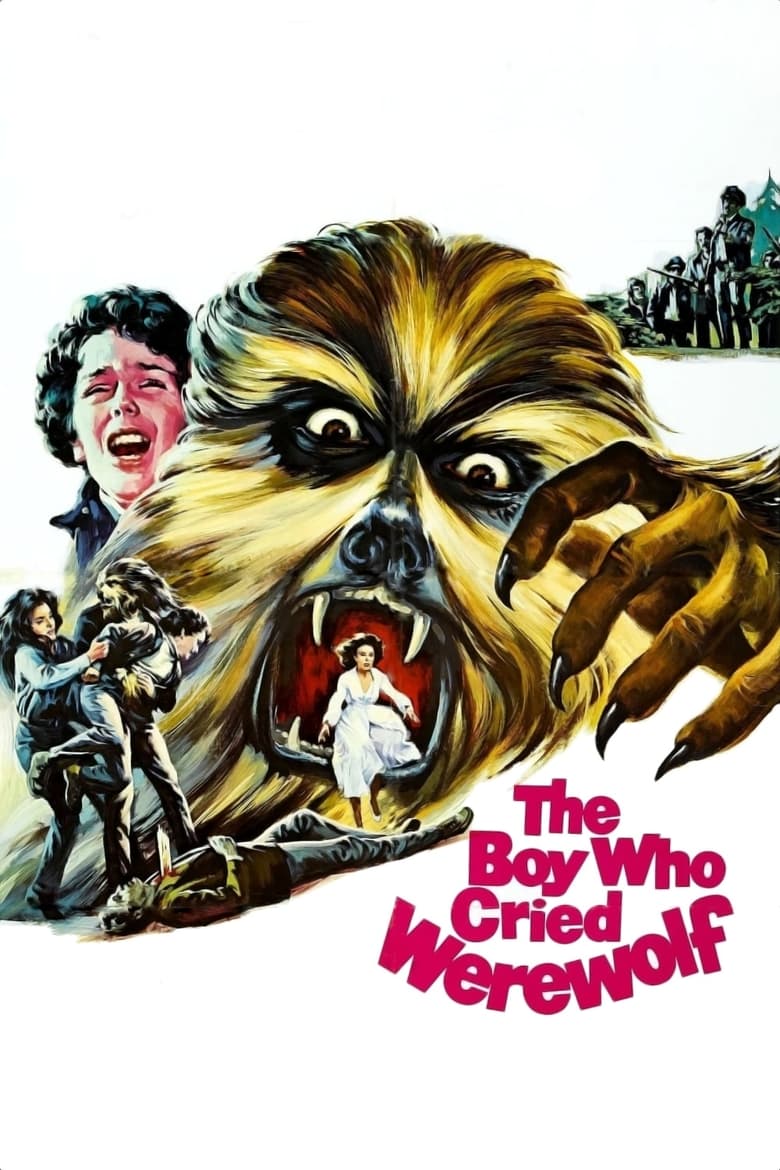
1973
PGDirector
Nathan Juran
Runtime
93 minutes
Average Rating
No ratings yetSynopsis
Little Richie Bridgestone goes to spend the weekend with his father at his secluded mountain cabin, and witnesses his father being attacked by 'a creature' that the boy recognizes as a werewolf. He tries to convince his mother and his therapist that his father is now a werewolf.
Overall Score
Minimal
Category Breakdown
LGBTQ+ Representation
The film contains no LGBTQ+ characters or non-cisnormative identities. It adheres to the heteronormative social structures common in 1970s horror-comedy.
Gender Representation
Traditional gender roles define the film's structure. While the mother is a central figure, the narrative does not subvert gender hierarchies or masculine leadership roles.
Racial & Ethnic Diversity
The cast reflects the homogeneous casting standards of early 1970s studio filmmaking. There is no evidence of a non-white majority or race-bent casting.
Religious & Cultural Diversity
The story focuses on a localized mystery within a high-socioeconomic setting. It centers on preserving the family unit rather than deconstructing Western institutions.
Disability Representation
The protagonist's psychological crisis is used as a classic horror trope. It serves as a plot driver rather than a nuanced exploration of neurodivergence or lived experience.
Strengths
Areas for Improvement
AI Analysis
The film operates as a conventional genre piece that reinforces the social and cultural hierarchies of its era. It relies on established tropes to drive its supernatural mystery without attempting to challenge existing norms. Narrative elements focus on traditional family dynamics and the preservation of order. The lack of diverse representation across gender, race, and identity suggests a production rooted in the standard studio practices of 1973. Ultimately, the film functions as a standard horror-comedy that prioritizes genre conventions over social commentary or the subversion of established social structures.
1975
1972

1944
1996

2009
1982

1973
1976
2008

1988
1951
2010
No reviews yet. Be the first to share your thoughts on this movie!
Use the rating form above to leave a star rating and optional review.