
Curse of the Devil
1973
No user ratings available yet
Representation score: 0.5 out of 10

Representation Score
Limited
1944
ApprovedDirector
Henry Levin
Runtime
63 minutes
Average Rating
No ratings yetNew Showbiz Analysis
Cry of the Werewolf is a product of the 1940s studio system, prioritizing traditional genre clichés over social subversion. While it moves away from purely Anglo-Saxon perspectives by featuring a Romani character, it does so through an exoticized lens common to the era. The film's approach to gender and identity is restrictive. The female lead's power is derived from a monstrous transformation, a cliché that often strips characters of intellectual ability to act in favor of supernatural victimhood. Ultimately, the film functions as a standard horror piece that reinforces the status quo. It lacks the intentionality needed to challenge social hierarchies or provide multi-layered representation.
Category Breakdown
The film does not include any visible LGBTQ+ characters or non-straight identities. The story follows traditional romantic and social structures typical of 1944 cinema.
A female protagonist drives the story, but she is portrayed through the 'monstrous feminine' cliché. Her power often comes from a supernatural curse rather than social influence.
The film features a Romani character, offering a non-Anglo-Saxon viewpoint. However, this depiction leans towards exoticism and 'othering' rather than a nuanced ethnic identity.
The story adheres to traditional mid-century moral frameworks. Supernatural elements serve as cautionary tales that reinforce established social and moral orders.
The werewolf transformation acts as a metaphor for physical change. This is treated as a source of terror or a curse rather than a portrayal of disability with real power.
Present on Screen
Limited or Absent
Official Synopsis
A young gypsy girl turns into a wolf to destroy her enemies.
1973
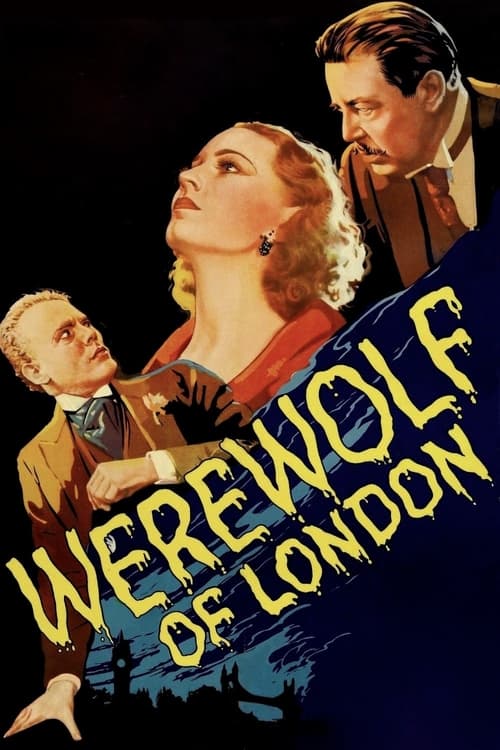
1935
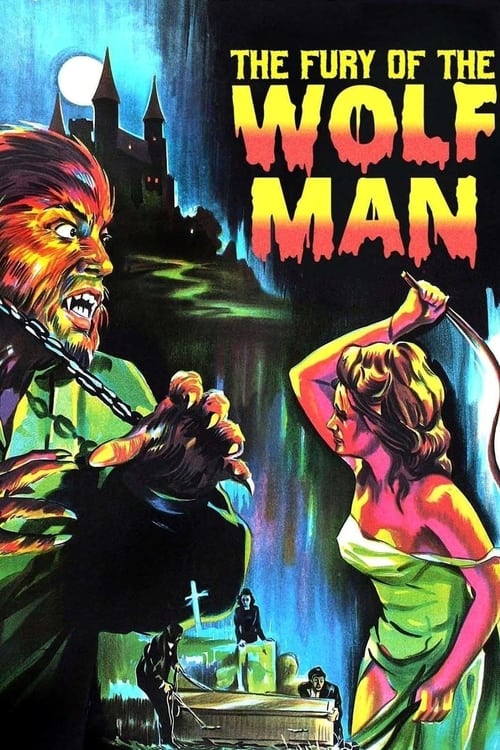
1972
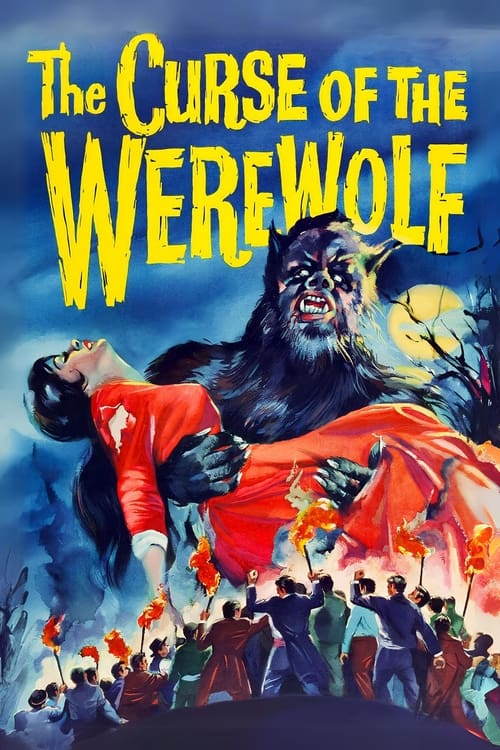
1961
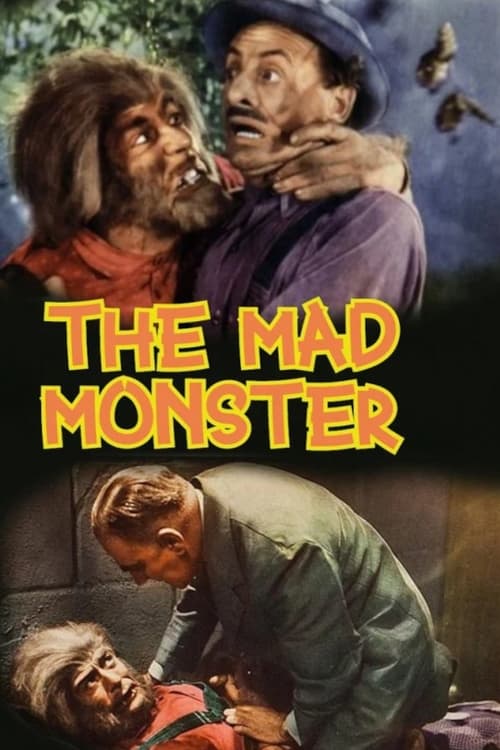
1942
1941
1951
1960
No reviews yet. Be the first to share your thoughts on this movie!
Use the rating form above to leave a star rating and optional review.