
Let's Sing Grandfather's Favorites
1948
No user ratings available yet
Representation score: 1.3 out of 10
Representation Score
Minimal
1936
Runtime
5 minutes
Average Rating
No ratings yetNew Showbiz Analysis
Melody on Parade is a product of its time, serving as a patriotic sing-along. It celebrates established American institutions like the military and the presidency through montages. The film upholds traditional hierarchies by focusing on white, male leadership and synchronized movements. It does not engage with diverse social perspectives or multi-layered identities. Overall, the film supports the societal norms of the 1930s, presenting a standardized and nationalistic view of American history.
Category Breakdown
The film does not include any characters with LGBTQ+ identities. It sticks closely to the social norms of the 1930s, which assumed everyone was straight.
Gender roles are portrayed through traditional roles. The focus on military parades and male presidents emphasizes a patriarchal view of history.
The film uses a uniform visual style. It highlights a line of white male presidents, reinforcing a predominantly white perspective.
The content promotes traditional values. It emphasizes the stability of Western institutions through military and political scenes.
There are no characters with visible or invisible disabilities. The film focuses on synchronized movements, favoring able-bodied actions.
Present on Screen
Limited or Absent
Official Synopsis
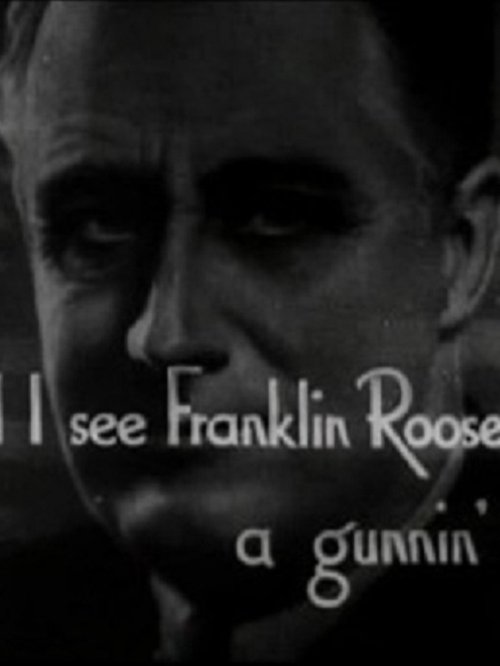
A sing-along short with Irving Kaufman singing, Lew White at the organ, lyrics displayed for the viewing audience, and film clips illustrating the songs. "I Love a Parade" includes a montage of military marchers; "Baby Parade" is music and montage without Kaufman's singing although lyrics are superimposed on the screen images of children passing by. Then, it's on to "Presidents on Parade," featuring Washington, Lincoln, Teddy Roosevelt, Wilson, Coolidge, and FDR. Kaufman adds narration to bridge each piece.
1948
1948
1943
1943
1950
1937
1942
1930
No reviews yet. Be the first to share your thoughts on this movie!
Use the rating form above to leave a star rating and optional review.