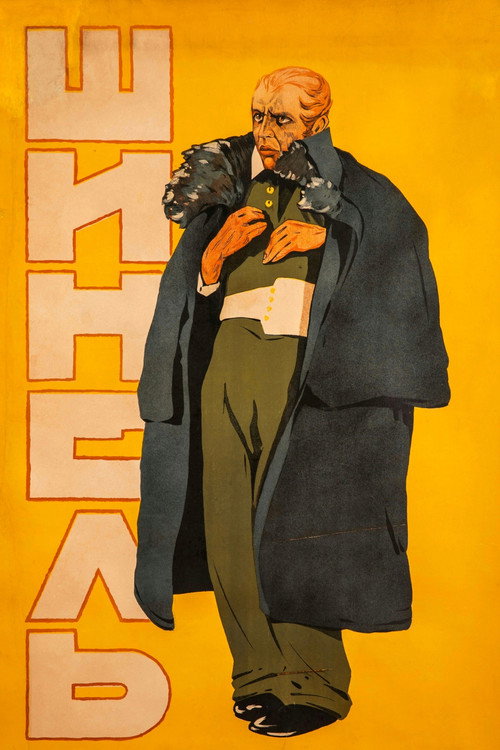
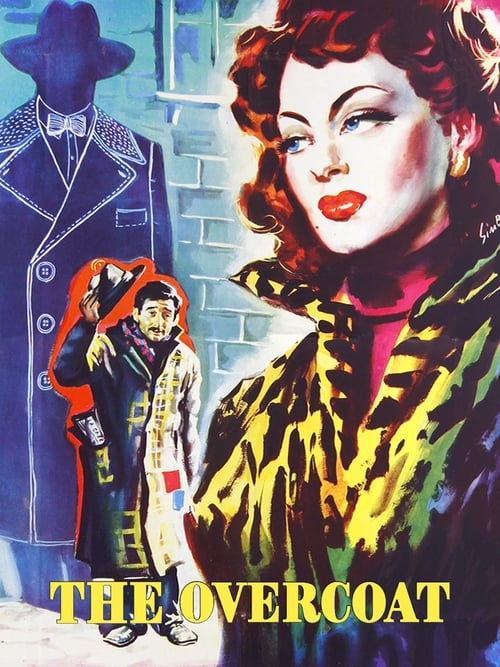
The Overcoat
1926
No user ratings available yet
Representation score: 3.9 out of 10
Representation Score
Limited
1952
ApprovedDirector
Alberto Lattuada
Runtime
103 minutes
Average Rating
No ratings yetNew Showbiz Analysis
Lattuada’s adaptation of Gogol’s tale is a sharp critique of institutional rigidity and social stratification. It prioritizes a study of systemic neglect over traditional triumphalist storytelling, focusing on the psychological erosion of a single individual within a bureaucratic machine. While the film lacks broad demographic representation, it excels in cultural commentary. By framing the protagonist's struggle against a cold, indifferent state, the film effectively challenges the dehumanizing nature of systemic authority. Ultimately, the work is a focused exploration of class and alienation. It trades diverse representation for a sophisticated deconstruction of how hierarchies oppress the individual.
Category Breakdown
The film adheres to a conventional framework regarding sexual orientation. There is no depiction of LGBTQ+ identities or queer undertones in the narrative.
The story centers on the male experience and professional isolation. It lacks strong female roles or challenges to traditional gender roles.
The film portrays a largely uniform society set in 1950s Italy. It highlights class differences without addressing racial or ethnic diversity.
The film excels in critiquing established power structures and state bureaucracy. It effectively dismantles the notion of institutional benevolence through social realism.
The protagonist faces significant psychological isolation and social exclusion. This systemic exclusion functions as a form of social disability.
Present on Screen
Limited or Absent
Official Synopsis
Based on the Nikolai Gogol story but set in 1950s Italy, "The Overcoat" is the story of a poor city hall clerk whose only desire is to buy a new overcoat.
1926

1951
1959

1989

1955

1962
1960
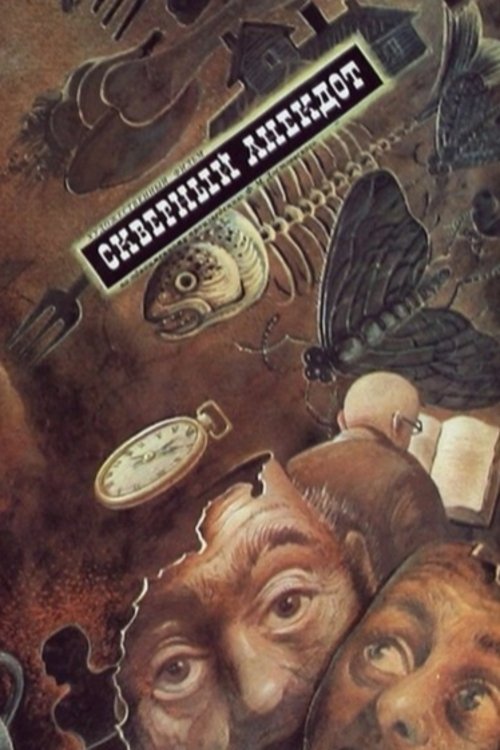
1966
No reviews yet. Be the first to share your thoughts on this movie!
Use the rating form above to leave a star rating and optional review.