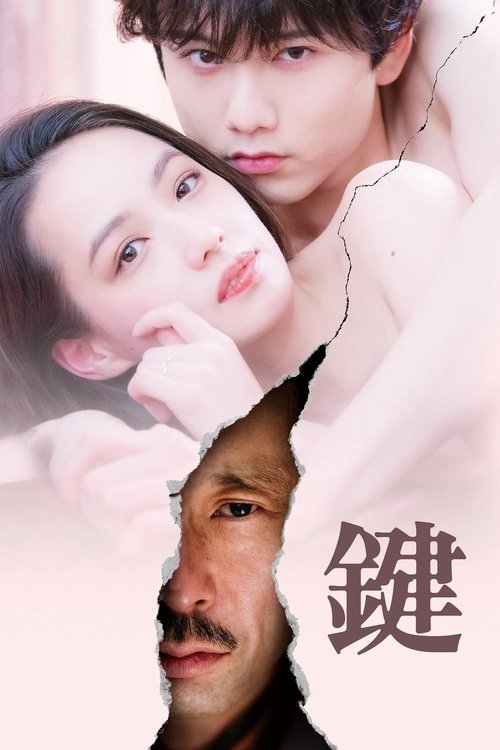
The Key
2022
No user ratings available yet
Representation score: 5.7 out of 10

Representation Score
Fair
1997
Director
Toshiharu Ikeda
Runtime
95 minutes
Average Rating
No ratings yetNew Showbiz Analysis
The film serves as a psychological exploration of social norms rather than a platform for identity-based representation. It highlights the flaws in traditional patriarchal marriages by presenting them as inadequate constructs. However, the film remains limited in its cultural and identity scope. It operates within a homogeneous Japanese setting and does not engage with LGBTQ+ identities or multi-layered racial dynamics. While the film delves into psychological instability, it uses these conditions as tools for suspense rather than providing nuanced representations of neurodivergence.
Category Breakdown
The film does not include explicit LGBTQ+ stories or non-cisgender identities. The main conflict revolves around traditional heterosexual relationships and the tension between marital stability and outside influences.
Ikuko's dissatisfaction and her role in driving the story challenge traditional domestic roles. The film avoids the cliché of the capable husband, instead showing the marital relationship as one of sexual inadequacy.
Set in a contemporary Japanese context, the film presents a culturally uniform environment. It focuses on the specific social dynamics of urban Japan without incorporating diverse cultural backgrounds.
The story questions traditional social structures by depicting middle-class marriage as a confining institution. It emphasizes individual experiences and moral ambiguity over a single, traditional moral framework.
Themes of neurodivergence and psychological instability serve mainly as plot devices for the thriller genre. These elements create a surreal atmosphere rather than offering detailed portrayals of lived experience.
Present on Screen
Limited or Absent
Official Synopsis
Ikuko is a mature, reserved Kyoto woman married for many years to a respectable, now-middle-aged man. The only problem in their relationship has been that her husband is dissatisfied with her lack of passion during lovemaking. All this changes after they meet the young Mr. Kimura
2022
1961

2007
1978

2008

2007

1993
2001
No reviews yet. Be the first to share your thoughts on this movie!
Use the rating form above to leave a star rating and optional review.