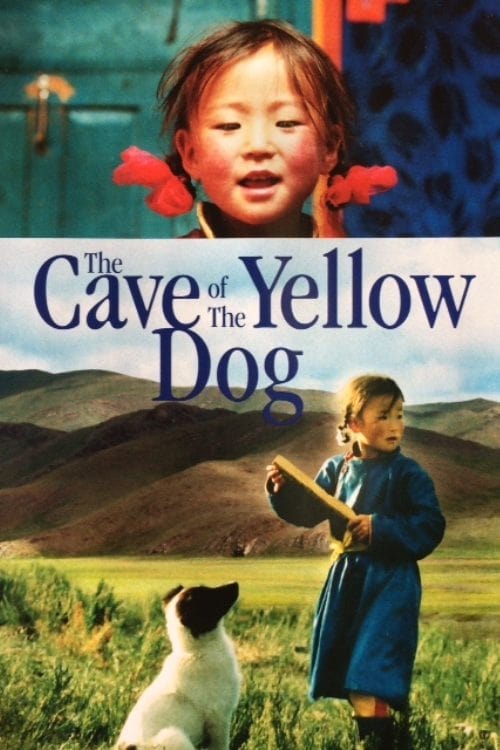
The Cave of the Yellow Dog
2005
No user ratings available yet
Diversity score: 4.9 out of 10
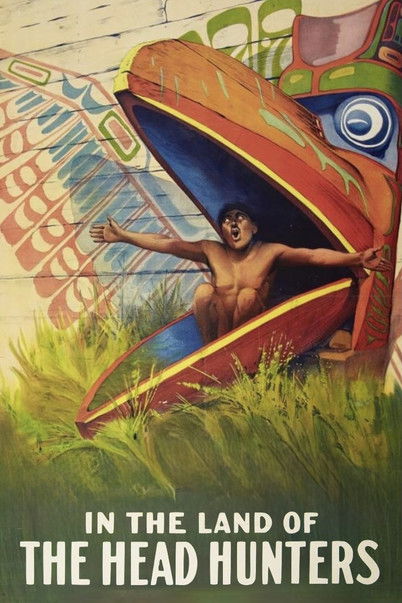
1914
NRDirector
Edward S. Curtis
Runtime
65 minutes
Average Rating
No ratings yetSynopsis
In the Land of the Head Hunters is a 1914 silent film fictionalizing the world of the Kwakwaka'wakw (Kwakiutl) peoples of the Queen Charlotte Strait region of the Central Coast of British Columbia, Canada, written and directed by Edward S. Curtis and acted entirely by Kwakwaka'wakw natives. It was the first feature-length film whose cast was composed entirely of Native North Americans; the second, eight years later, was Robert Flaherty's Nanook of the North.
Overall Score
Fair
Category Breakdown
LGBTQ+ Representation
The film focuses on traditional Kwakwaka'wakw rituals and social structures. There is no depiction of non-cisnormative identities or same-sex intimacy within the footage.
Gender Representation
Depictions center on established ceremonial roles within a non-Western social hierarchy. The film does not actively subvert traditional gendered power dynamics through a modern lens.
Racial & Ethnic Diversity
This landmark work utilizes an entirely Native North American cast, disrupting the white-centric casting standards of 1914. It provides unprecedented ethnic visibility for the era.
Religious & Cultural Diversity
The narrative prioritizes Indigenous spiritualities, such as potlatch ceremonies, over Western moral frameworks. However, the director's salvage ethnography approach often strips away modern influences.
Disability Representation
There is no specific evidence regarding the portrayal of visible or invisible disabilities within the ethnographic context provided.
Strengths
Areas for Improvement
AI Analysis
In the Land of the Head Hunters is a complex historical artifact that achieves high marks for racial visibility by employing an entirely Indigenous cast. This decision fundamentally challenged the era's standard of white-centric casting and provided a unique baseline for Native representation. However, the film's impact is tempered by the director's salvage ethnography methodology. The work often constructs a version of Kwakwaka'wakw culture designed for Western consumption, which can limit the true agency of the subjects being documented. Ultimately, while the film succeeds in centering non-white bodies and non-Western social structures, it lacks the intersectional storytelling and subversion of power dynamics found in modern progressive cinema.
2005
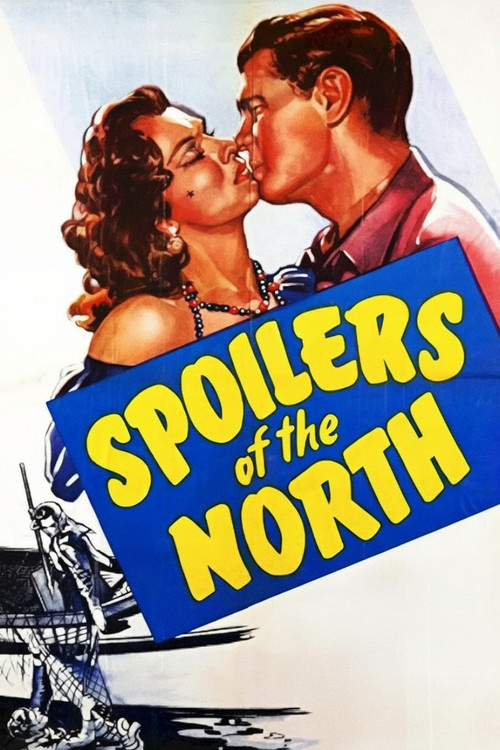
1947
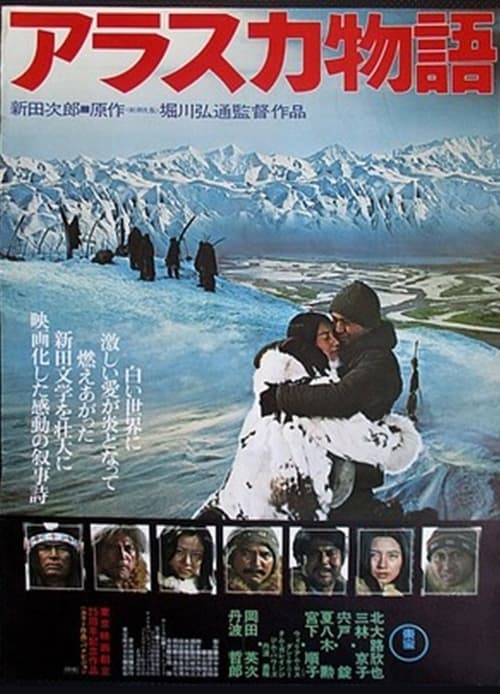
1977
1990
1959
2019
1965
2004
2017
1986
1961
1926
No reviews yet. Be the first to share your thoughts on this movie!
Use the rating form above to leave a star rating and optional review.