
Kuessipan
2019
No user ratings available yet
Diversity score: 7.8 out of 10
2017
PGDirector
Nathan Frankowski
Runtime
105 minutes
Average Rating
No ratings yetSynopsis
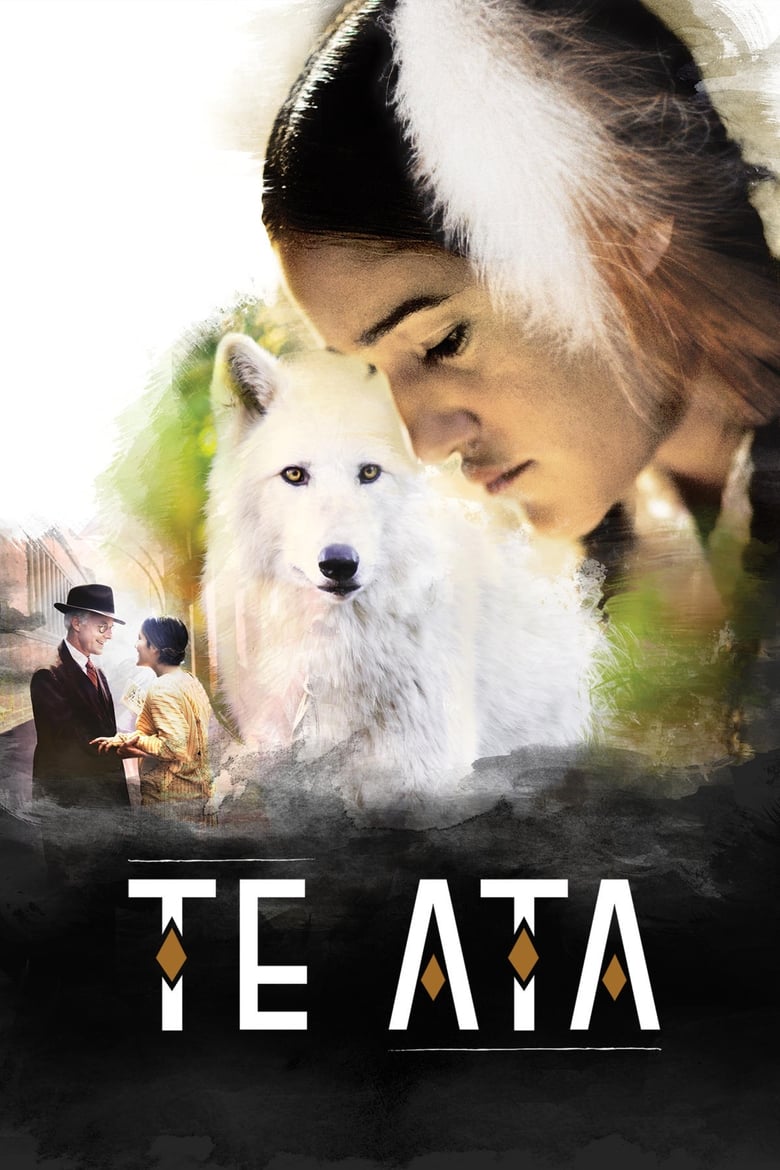
The extraordinary life of Chickasaw Nation citizen Mary Thompson Fisher is given a heartfelt tribute in this moving look at a culture in transition, and the way one woman used her voice to keep Native traditions and stories alive. Raised in Indian Territory, Fisher left home to pursue her dream of becoming an actress, only to find that her true calling was at home all along. From Chautauquas to Broadway and even the White House, Fisher traveled the world performing Native American songs and stories for heads of state, American presidents, and European royalty. Featuring Chickasaw citizens both in front of and be-hind the camera, this touching portrait starring Q’orianka Kilcher (“The New World”) and Graham Greene honors a woman whose own story was the most inspiring one she never told. -TCFF database
Overall Score
Good
Category Breakdown
LGBTQ+ Representation
The film focuses on the biographical journey of Mary Thompson Fisher and her cultural contributions. There is no explicit evidence of LGBTQ+ characters or narratives within the story.
Gender Representation
The narrative centers on Mary Thompson Fisher, highlighting her intellectual and professional autonomy. She navigates high-level diplomatic and theatrical spaces, disrupting passive historical tropes for women.
Racial & Ethnic Diversity
The film provides exceptional representation by centering the Chickasaw Nation experience. Casting prominent actors of color and involving Chickasaw citizens ensures a nuanced portrait of Indigenous identity.
Religious & Cultural Diversity
The story prioritizes Indigenous oral traditions and songs as sophisticated forms of global diplomacy. It values cultural heritage and continuity over assimilationist ideals.
Disability Representation
There is no evidence regarding the portrayal of physical or neurodivergent disabilities in this biographical account.
Strengths
Areas for Improvement
AI Analysis
Te Ata is a significant piece of biographical cinema that disrupts conventional historical tropes by centering Indigenous agency. It successfully shifts the perspective from a colonial gaze toward one of cultural empowerment and intellectual leadership. The film's strength lies in its intersectional approach to cultural preservation. By involving Chickasaw citizens both in front of and behind the camera, the production ensures the narrative remains grounded in lived experience. While the film excels in ethnic and cultural representation, it remains neutral regarding LGBTQ+ themes and provides no visible engagement with disability representation.
2019
2015

2024

2010

2012

2019

2019
1986

2008

2023
2019

2004
No reviews yet. Be the first to share your thoughts on this movie!
Use the rating form above to leave a star rating and optional review.