
The Blue Angel
1930
No user ratings available yet
Diversity score: 5.1 out of 10

1957
NRDirector
Douglas Sirk
Runtime
91 minutes
Average Rating
No ratings yetSynopsis
In the 1930s, once-great World War I pilot Roger Shumann performs as a daredevil barnstorming pilot at aerial stunt shows while his wife, LaVerne, works as a parachutist. When newspaper reporter Burke Devlin arrives to do a story on the Shumanns’ act, he quickly falls in love with the beautiful--and neglected--LaVerne.
Overall Score
Fair
Category Breakdown
LGBTQ+ Representation
The film lacks LGBTQ+ characters or explorations of non-heteronormative identities. Interpersonal dynamics remain centered on traditional romantic and familial structures.
Gender Representation
The narrative disrupts mid-century hierarchies by centering on female agency and emotional resilience. It focuses on the professional and economic struggles of women navigating male-dominated social structures.
Racial & Ethnic Diversity
The setting is a historically specific, homogeneous post-war European environment. While it avoids harmful stereotypes, it lacks significant racial or ethnic diversity.
Religious & Cultural Diversity
The film critiques traditional Western institutions and the hypocrisy of moral policing. It explores the tension between individual survival and rigid, oppressive social norms.
Disability Representation
There is no prominent depiction of physical or neurodivergent disabilities. Character struggles are primarily socioeconomic and psychological, stemming from wartime service and social stigma.
Strengths
Areas for Improvement
AI Analysis
Douglas Sirk uses subversive melodrama to challenge social hierarchies and the hypocrisy of community morality. The film excels at deconstructing traditional expectations of respectability through its lens of situational ethics. While the work provides a nuanced critique of cultural norms and female agency, it remains limited by the social constraints of its era. The lack of racial and LGBTQ+ representation creates a narrow demographic scope. Ultimately, the film's strength lies in its ability to frame systemic judgment as an oppressive force against those on the margins of society.
1930
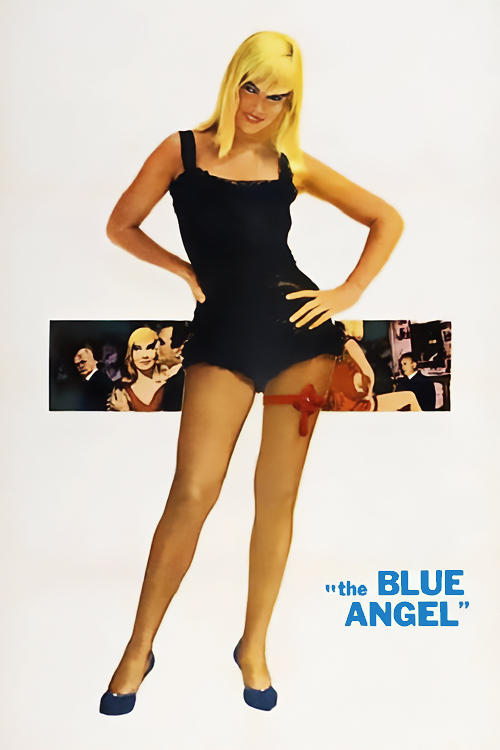
1959

1958
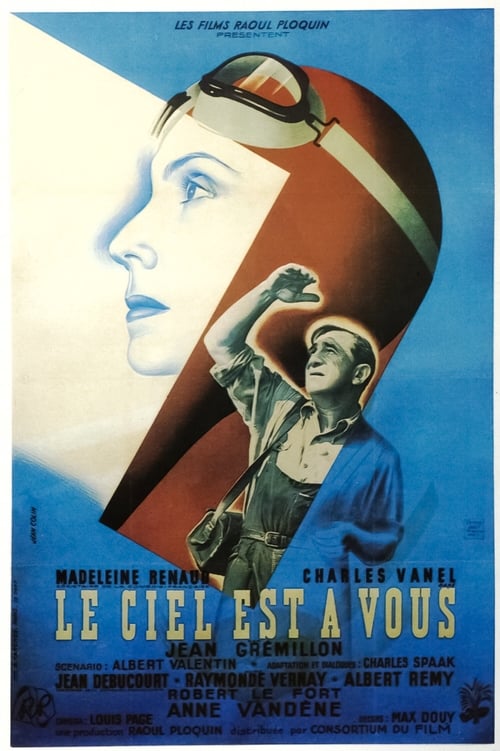
1944
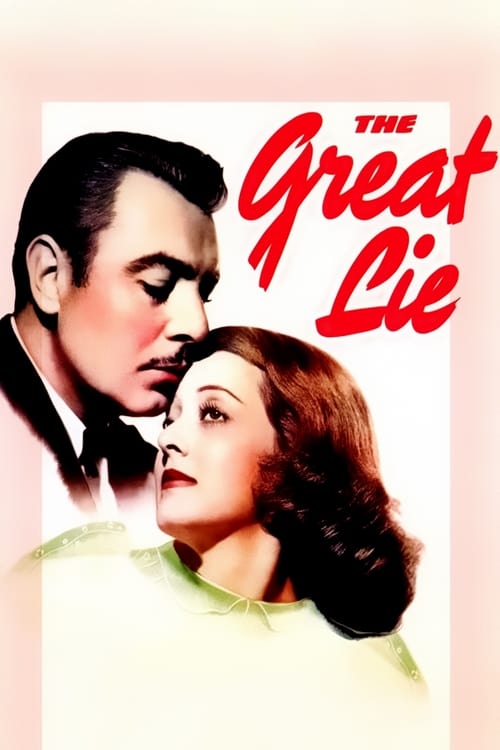
1941
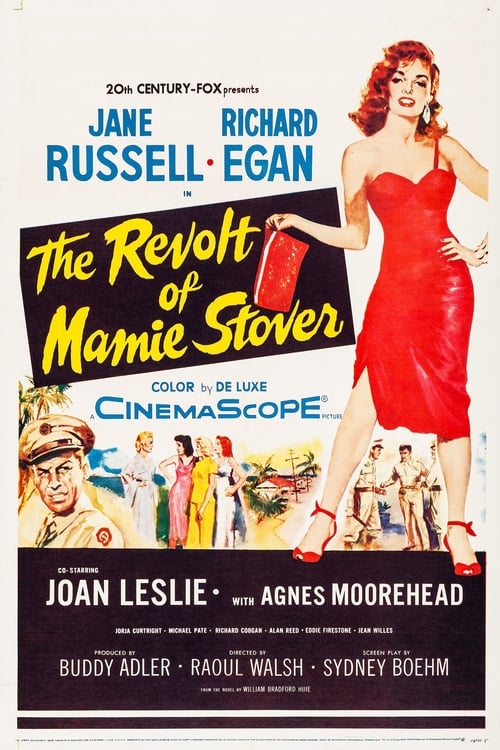
1956
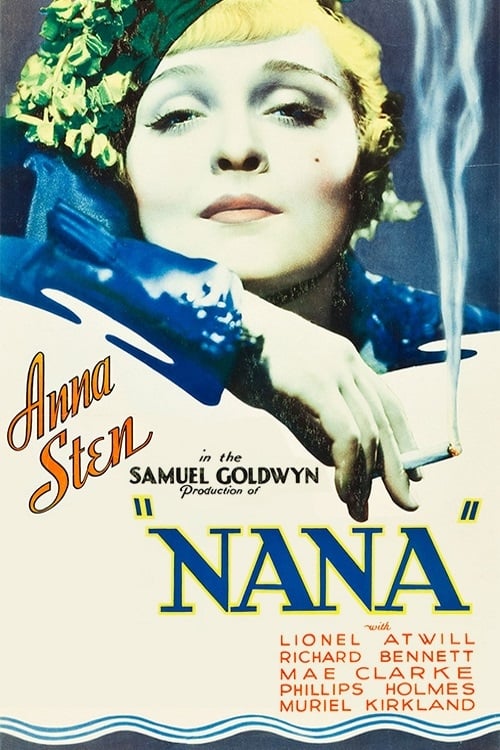
1934
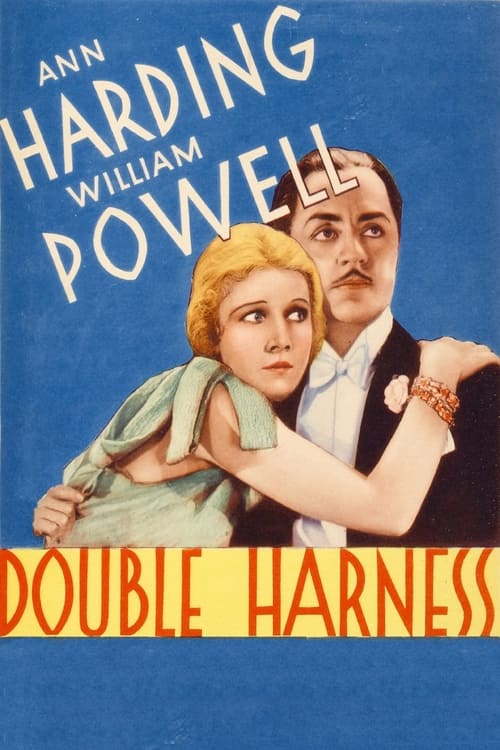
1933
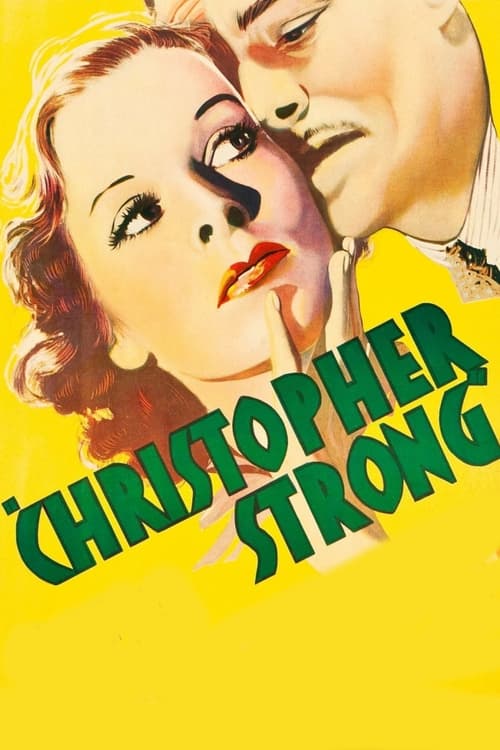
1933
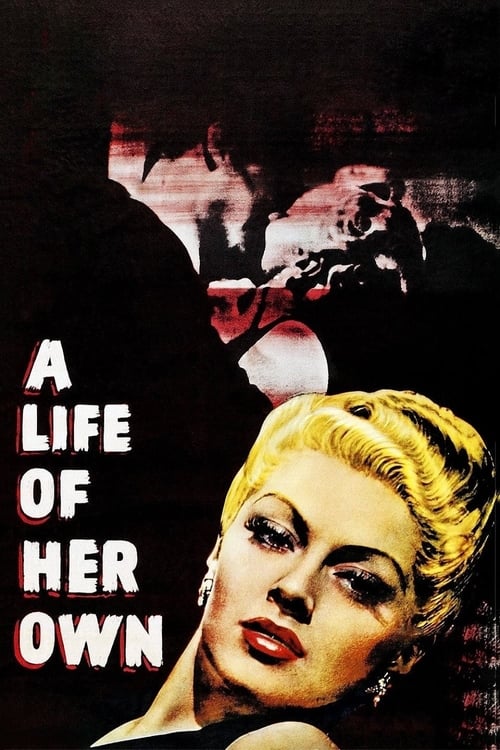
1950
2020

1936
No reviews yet. Be the first to share your thoughts on this movie!
Use the rating form above to leave a star rating and optional review.