A Hidden Life
2019
No user ratings available yet
Representation score: 1.9 out of 10
Representation Score
Limited
2011
PG-13Director
Roland Joffé
Runtime
112 minutes
Average Rating
No ratings yetNew Showbiz Analysis
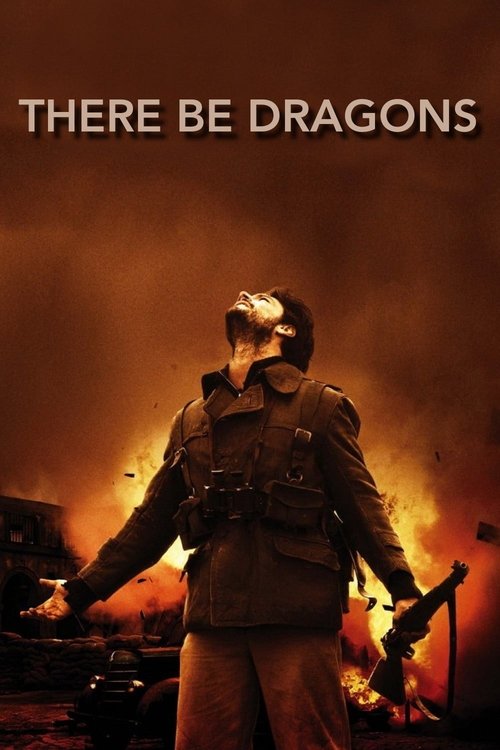
There Be Dragons functions primarily as a psychological study of colonial isolation rather than a diverse ensemble piece. The narrative structure is built around male-centric dynamics and the friction of Western structures in an African setting. While the film avoids celebrating imperial expansion, it remains limited by its focus on the European perspective. The lack of representation for LGBTQ+ identities and women's ability to drive the story keeps the diversity profile low. Ultimately, the film's value lies in its post-colonial lens. It critiques the psychological toll of maintaining Western institutions in an alien environment, providing a more complex view of empire than standard adventure clichés.
Category Breakdown
The film does not include any LGBTQ+ characters or narratives. It sticks closely to a traditional 19th-century social framework with no depiction of non-straight relationships.
The story focuses heavily on male development and patriarchal hierarchies. It centers on the relationship between a son and an authoritative father, offering little control to female characters.
Set in Africa, the film uses local populations as a backdrop. However, narrative control remains concentrated within the European protagonists, focusing on their psychological experiences.
The film offers a nuanced critique of Western institutionalism. It portrays colonial administration as an isolating structure, challenging the perceived superiority of imperial projects.
There are no prominent depictions of visible or invisible disabilities that drive the narrative or serve as central character arcs.
Present on Screen
Limited or Absent
Official Synopsis
Arising out of the horror of the Spanish Civil War, a candidate for canonization is investigated by a journalist who discovers his own estranged father had a deep, dark and devastating connection to the saint's life.While researching the life of Josemaria Escriva, the controversial founder of Opus Dei, the young journalist Robert uncovers hidden stories of his estranged father Manolo, and is taken on a journey through the dark, terrible secrets of his family’s past.
2019
2012

2016
2023

2008

2007
2012
2007
No reviews yet. Be the first to share your thoughts on this movie!
Use the rating form above to leave a star rating and optional review.