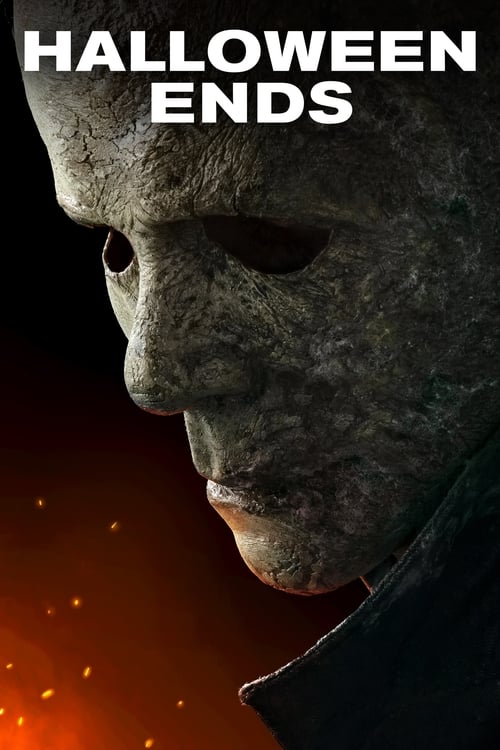
Halloween Ends
2022
No user ratings available yet
Representation score: 4.6 out of 10
Representation Score
Fair
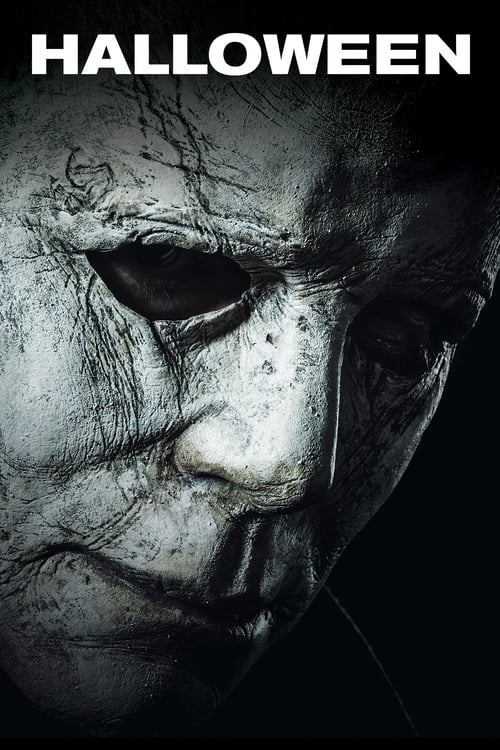
2018
RDirector
David Gordon Green
Runtime
106 minutes
Average Rating
No ratings yetNew Showbiz Analysis
Halloween (2018) successfully challenges the 'final girl' cliché by emphasizing a proactive female protagonist. Laurie Strode’s competence contrasts with the shortcomings of male-dominated institutions. However, the film's scope is limited to a predominantly white, middle-class setting, lacking LGBTQ+ representation. While it delves into trauma, it primarily uses it to drive the survivalist narrative rather than exploring disability.
Category Breakdown
The film does not include any prominent LGBTQ+ characters or narratives. Relationships are shown within traditional structures, without engaging with queer identities.
Laurie Strode challenges traditional gender roles through her tactical readiness and physical strength. She stands out as a capable survivor whose abilities surpass those of the male-dominated institutions.
The film focuses on a predominantly white, middle-class suburban environment. It does not explore diverse backgrounds or use color-blind casting.
The story criticizes Western institutions by highlighting the failures of police and psychiatric hospitals. It also questions the idealized nuclear family through a broken domestic unit.
The film explores psychological trauma and PTSD through the protagonist's heightened alertness. However, these mental health issues primarily support the survivalist storyline rather than examining neurodivergent experiences.
Present on Screen
Limited or Absent
Official Synopsis
Laurie Strode comes to her final confrontation with Michael Myers, the masked figure who has haunted her since she narrowly escaped his killing spree on Halloween night four decades ago.
2022
1995
2021
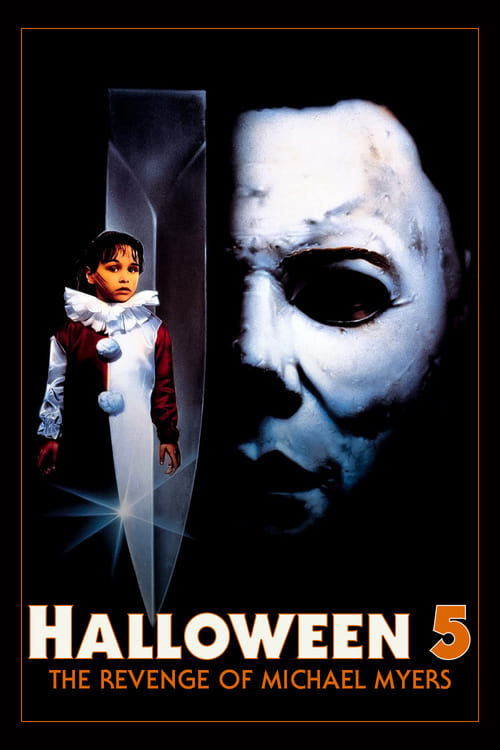
1989
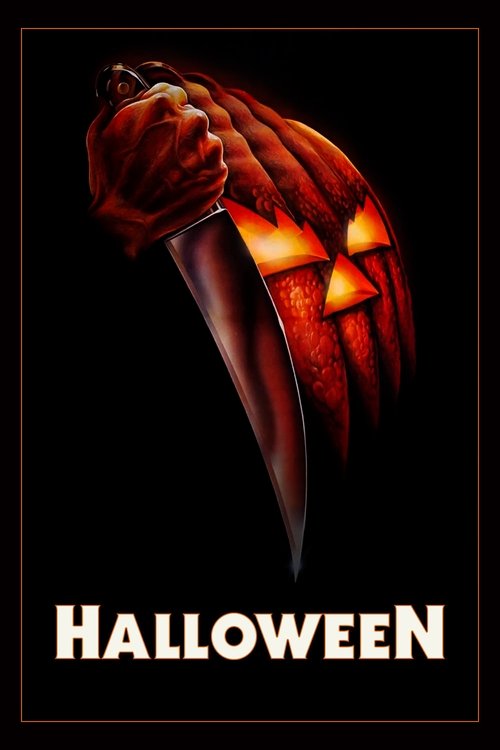
1978
1988
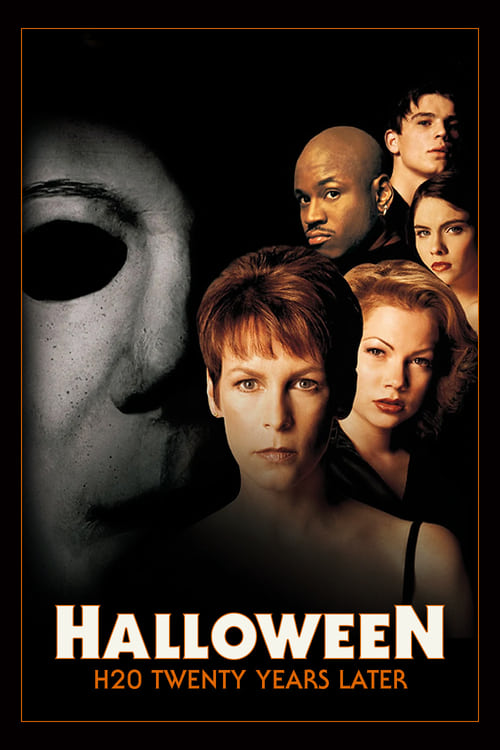
1998

1988
No reviews yet. Be the first to share your thoughts on this movie!
Use the rating form above to leave a star rating and optional review.