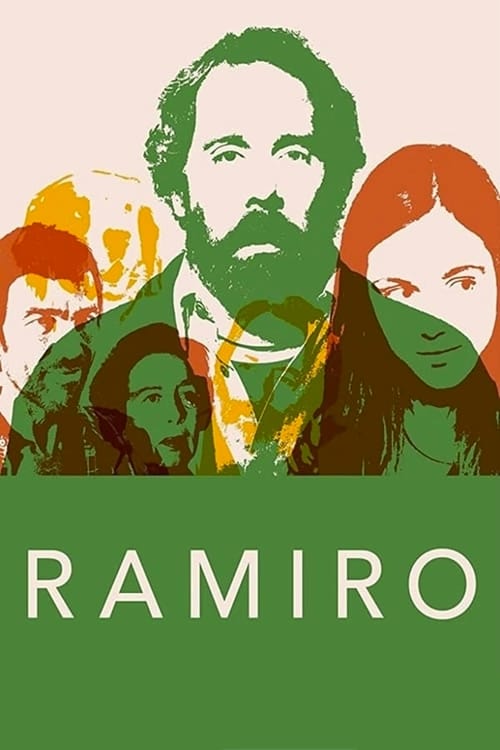
Ramiro
2018
No user ratings available yet
Diversity score: 5.6 out of 10

2003
Director
João César Monteiro
Runtime
168 minutes
Average Rating
No ratings yetSynopsis
João Vuvu, lives alone in a house that requires regeneration but due to being alone he is unable to do the work. On his son's release from prison and João's ensuing deception triggers a series of somber events.
Overall Score
Good
Category Breakdown
LGBTQ+ Representation
The film centers on queer desire and non-cisnormative identities. It uses an episodic structure to move away from rigid labels, offering a nuanced depiction of attraction and marginality.
Gender Representation
The narrative deconstructs traditional masculinity by focusing on characters outside patriarchal archetypes. It rejects performative strength, instead exploring characters navigating solitude and unconventional desire.
Racial & Ethnic Diversity
The focus remains on the urban, bohemian, and marginal social strata of Lisbon. There is limited evidence of explicit intersectional racial dynamics or a non-Anglo-Saxon majority cast.
Religious & Cultural Diversity
The film prioritizes subjective experience over state or religious morality. It critiques traditional domestic stability through the lens of social detachment and moral relativism.
Disability Representation
The story explores social disability through a protagonist unable to function within capitalist rhythms. It focuses on the mundane reality of existential marginality rather than clinical tropes.
Strengths
Areas for Improvement
AI Analysis
João César Monteiro’s work is a sophisticated exercise in cinematic subversion. By centering on the margins of society, the film successfully dismantles heteronormative and patriarchal structures through a deeply personal lens. The film excels in its application of queer theory and its rejection of traditional moral certainties. It treats non-normative identities as central thematic pillars rather than peripheral elements. However, the film lacks significant racial diversity, focusing instead on class and social marginality within the Portuguese urban landscape. This limits its intersectional breadth despite its strong cultural critique.
2018

1999

2017

2012

2018
2009

2009

2004
2015
2010
2004

2003
No reviews yet. Be the first to share your thoughts on this movie!
Use the rating form above to leave a star rating and optional review.