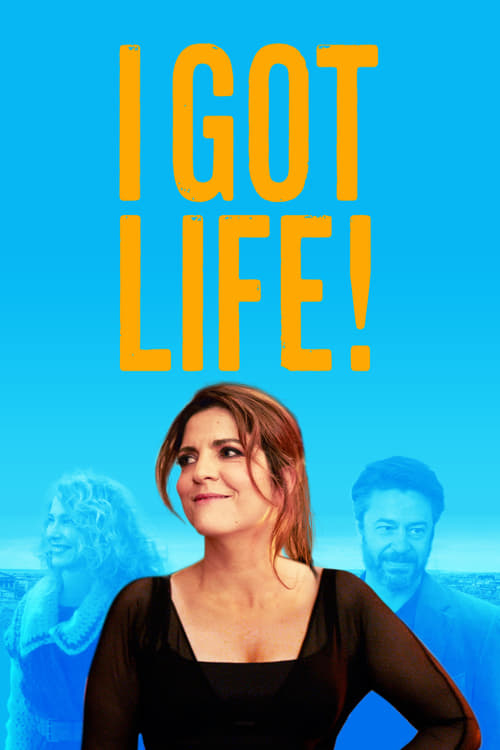
Kika
2025
No user ratings available yet
Representation score: 6.6 out of 10
Representation Score
Good
2017
Director
Blandine Lenoir
Runtime
86 minutes
Average Rating
No ratings yetNew Showbiz Analysis
I Got Life! functions as an intimate study of women's ability to drive the story during profound life transitions. By centering on a woman facing professional and personal instability, the film avoids the cliché of the idealized matriarch. However, the film lacks clear evidence of diverse representation. The narrative structure leans toward traditional family dynamics, leaving questions about LGBTQ+ and racial diversity unanswered. Ultimately, the work succeeds in challenging conventional views of womanhood, even if it remains within a relatively narrow demographic scope.
Category Breakdown
The film does not include explicit evidence of LGBTQ+ characters or non-straight relationships. The story focuses on traditional family transitions such as becoming a grandmother.
The story centers on a female protagonist navigating job loss and separation. This focus challenges traditional stereotypes of the stable matriarch by highlighting the woman's ability to drive the story amidst chaos.
Specific details regarding the racial composition of the cast are unavailable. The film may depict a homogeneous Western European setting.
The narrative explores the breakdown of traditional social milestones and domestic structures. It prioritizes individual psychological truth over idealized Western family models.
There is no documented evidence of characters with visible or invisible disabilities. The focus remains on the protagonist's socioeconomic and relational shifts.
Present on Screen
Limited or Absent
Official Synopsis
Aurore has separated, just lost her job, and learns that she is going to be a grandmother.
2025

2017

2020
2022

2023
2020

2017

2014
No reviews yet. Be the first to share your thoughts on this movie!
Use the rating form above to leave a star rating and optional review.