
Marseille
2016
No user ratings available yet
Representation score: 5.1 out of 10
Representation Score
Good
2004
Not RatedDirector
Daniel Burman
Runtime
99 minutes
Average Rating
No ratings yetNew Showbiz Analysis
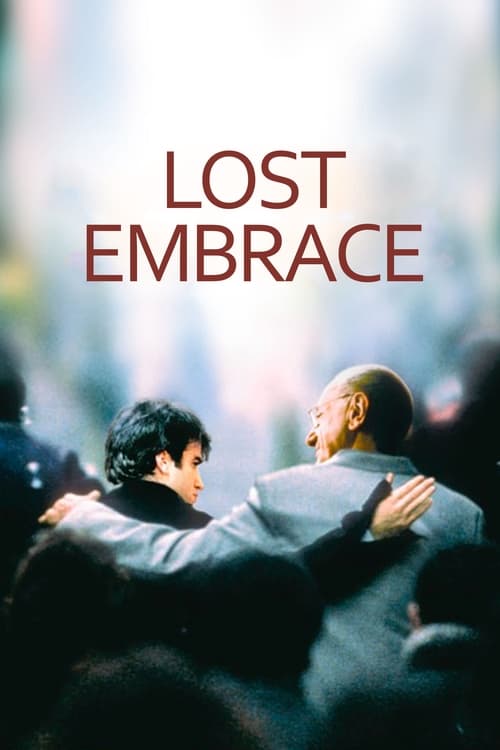
Lost Embrace is a culturally specific character study that finds its strength in authenticity. By centering the Jewish-Argentinean experience in Buenos Aires, the film moves away from monolithic storytelling and provides a nuanced look at a minority community. While it lacks engagement with LGBTQ+ or disability narratives, it avoids harmful stereotypes. It replaces the 'stoic patriarch' cliché with emotionally reactive male protagonists, offering a subtle subversion of traditional gender roles. Ultimately, the film's value lies in its realistic, un-sanitized exploration of family dysfunction, prioritizing individual reconciliation and the mundane realities of urban life over grand, idealized social or religious structures.
Category Breakdown
The film does not include explicit LGBTQ+ characters or non-straight relationships. It focuses on a traditional family structure but avoids negative stereotypes and maintains a neutral stance on queer visibility.
The story explores gender roles through the mother's economic independence in her lingerie shop. While it doesn't directly challenge patriarchal norms, it presents men as emotionally fragile, which subtly shifts traditional gender dynamics.
The film highlights a specific Jewish-Argentinean identity within Buenos Aires authentically. It avoids including someone from a minority group without giving them real depth by making ethnicity an integral part of the characters' lives, giving them high ability to act.
The narrative avoids religious or state dogmas, focusing on the secular complexities of urban life. It deconstructs the idealized family by highlighting fragmentation, abandonment, and the pursuit of personal truth.
There are no prominent depictions of physical or neurodivergent disabilities. The film focuses on universal psychological and emotional states rather than specific disability-centered narratives.
Present on Screen
Limited or Absent
Official Synopsis
In Buenos Aires, the twenty-something Jewish-Argentinean Ariel Makaroff ditches the University of Architecture and spends his time wandering through the downtown gallery where his mother has a lingerie shop and his brother runs an importation business. Ariel has never understood why his father left him when he was a baby, but when his dad returns to Argentina, that will soon change.
2016

2002

1987

1997

2019
2010
2002
2012
No reviews yet. Be the first to share your thoughts on this movie!
Use the rating form above to leave a star rating and optional review.