
Sentimental Education
2013
No user ratings available yet
Representation score: 5.7 out of 10
Representation Score
Fair
2012
NRDirector
Miguel Gomes
Runtime
120 minutes
Average Rating
No ratings yetNew Showbiz Analysis
Miguel Gomes uses a sophisticated, non-linear structure to explore colonial legacies and traditional storytelling. The film succeeds by centering the experiences of women and interracial relationships, which challenge conventional hierarchies found in period dramas. By using the aesthetics of classical melodrama, the work critiques the very history those genres often romanticize. It examines the systemic tensions and power dynamics inherent in the colonial project. While the film excels in racial and gendered deconstruction, it lacks representation for LGBTQ+ identities or non-assuming gender matches what was assigned at birth characters and does not include characters with disabilities.
Category Breakdown
The film focuses on heterosexual relationships in two different time periods. It does not depict any non-cisgender identities or same-sex relationships.
The story centers on the experiences and desires of women. By emphasizing the internal lives of women, the film challenges traditional male-dominated historical narratives.
The film deconstructs the colonial perspective through an interracial romance between a white woman and a Black man. This central relationship challenges the rigid racial hierarchies of the time.
The story critiques Western colonial history and the Portuguese colonial project. Using a postmodern structure, it dismantles the romanticized melodrama often associated with the colonial era.
There are no prominent depictions of visible or invisible disabilities that serve as central plot drivers in the narrative.
Present on Screen
Limited or Absent
Official Synopsis
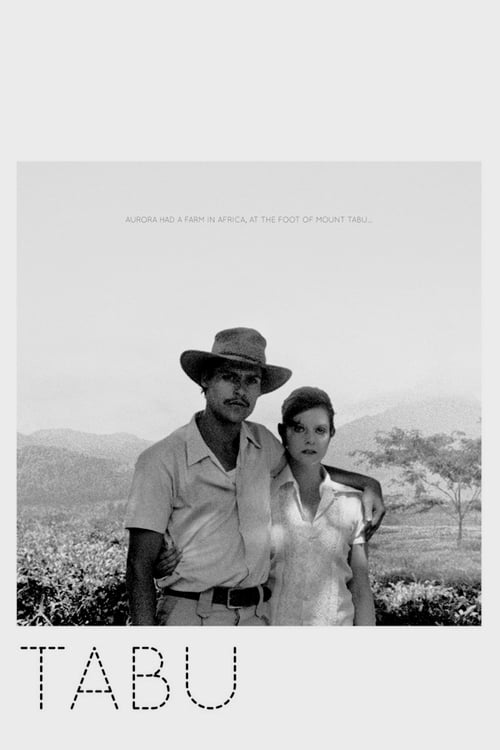
Lisbon, Portugal, 2010. Pilar, a pious woman devoted to social causes, maintains a peculiar relationship with her neighbor Aurora, a temperamental old woman obsessed with gambling who lives tormented by a mysterious past.
2013

2012

2016

2007
1997

2007

1996
2011
No reviews yet. Be the first to share your thoughts on this movie!
Use the rating form above to leave a star rating and optional review.