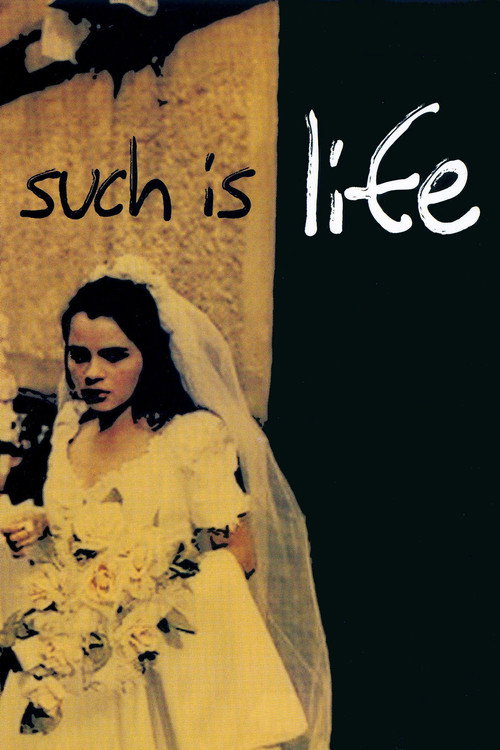
Such is Life
2001
No user ratings available yet
Representation score: 8.2 out of 10
Representation Score
Good
1983
Director
Arturo Ripstein
Runtime
88 minutes
Average Rating
No ratings yetNew Showbiz Analysis
Arturo Ripstein’s film is a sophisticated psychological study that uses the Mexican melodrama to examine social structures. It stands out by replacing submissive female archetypes with a protagonist who uses calculated survival to drive the narrative forward. The film's strength lies in its rejection of didactic morality and its authentic grounding in Mexican socioeconomic life. It challenges traditional family stability and the absolute authority of religious institutions. However, the film remains limited by its narrow focus. It lacks LGBTQ+ representation and does not address physical or neurodivergent disabilities, operating within a specific, non-multi-layered framework.
Category Breakdown
The film does not include any explicit LGBTQ+ characters or non-straight relationships. The story focuses solely on the protagonist's interactions within a traditional social environment.
The film challenges traditional gender roles by centering a woman who actively drives the plot through deception. Instead of being passive, the female lead takes control and disrupts male authority.
A predominantly Mexican cast and crew provide an authentic cultural backdrop. The film avoids a Western-centric perspective by focusing on specific Mexican social dynamics.
The narrative explores moral relativism and situational ethics. Traditional institutions, such as the parish priest, are portrayed as complex elements within a web of social secrecy rather than absolute moral guides.
There is no significant depiction of physical or neurodivergent disabilities. Character struggles are primarily psychological and interpersonal in nature.
Present on Screen
Limited or Absent
Official Synopsis
Intrigues and secrets come together because of a woman, who has the protection of the parish priest.
2001

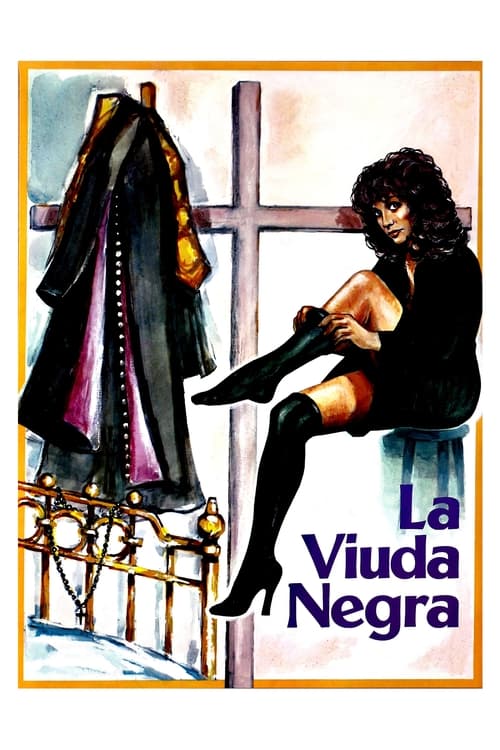
1976

1988
1961

1976
2011

2002

1971
No reviews yet. Be the first to share your thoughts on this movie!
Use the rating form above to leave a star rating and optional review.