
Silent Light
2007
No user ratings available yet
Representation score: 5.8 out of 10
Representation Score
Fair
2012
Not RatedDirector
Cristian Mungiu
Runtime
150 minutes
Average Rating
No ratings yetNew Showbiz Analysis
Mungiu’s film is a powerful exploration of social realism that questions the stability of traditional hierarchies. By focusing on female autonomy within a restrictive environment, the film highlights the impact of systemic judgment. The film effectively portrays the tension between institutional dogma and personal empathy. It uses the contrast between organized religion and individual ability to act to illustrate the human cost of rigid adherence to communal truths. While the film provides a detailed look at Eastern European identity, it remains a culturally homogeneous portrayal. It lacks explicit LGBTQ+ representation and does not feature characters with disabilities.
Category Breakdown
The film does not include explicit LGBTQ+ characters or non-straight relationships. The story focuses on the strong bond between female protagonists and their religious vocations.
Women play key roles in driving the plot, dealing with their bodies and choices in a challenging environment. The narrative highlights the influence of patriarchal systems in both the village and religious institutions.
The story centers on a culturally specific, homogeneous rural Romanian community. It avoids Western perspectives to explore the complexities of Eastern European social structures and regional identity.
The film offers a nuanced critique of the Orthodox Church and strict communal structures. It contrasts rigid religious doctrine with the messy, empathetic realities of everyday life.
There are no specific depictions of physical or neurodivergent disabilities in the narrative.
Present on Screen
Limited or Absent
Official Synopsis
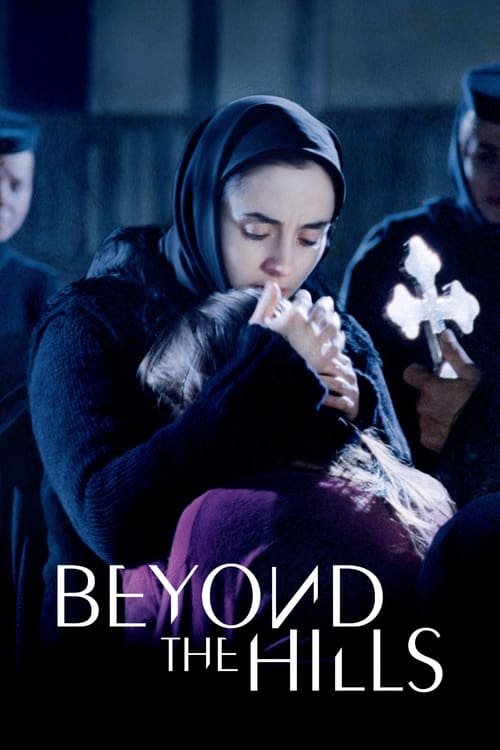
Alina returns to Romania from Germany, hoping to bring Voichita—the only person in the world she loves and was loved by—back with her. But Voichita has found God, and God is the hardest lover of all to best.
2007
2012
2013
2012
2014
2013
1996
2005
No reviews yet. Be the first to share your thoughts on this movie!
Use the rating form above to leave a star rating and optional review.