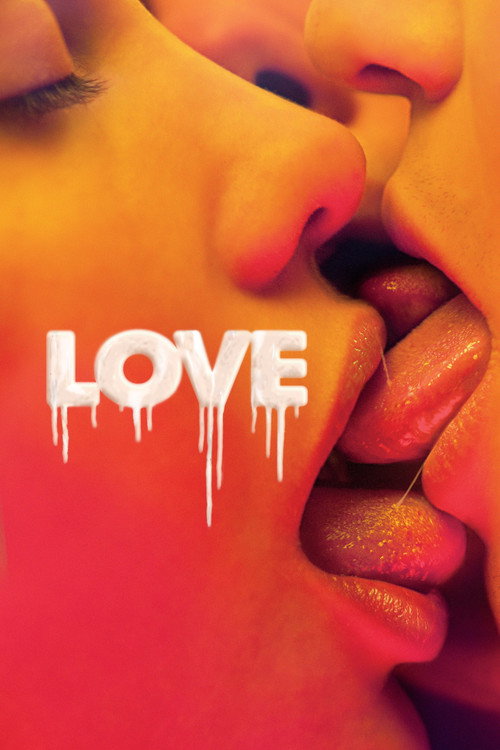
Love
2015
No user ratings available yet
Representation score: 2.7 out of 10
Representation Score
Good
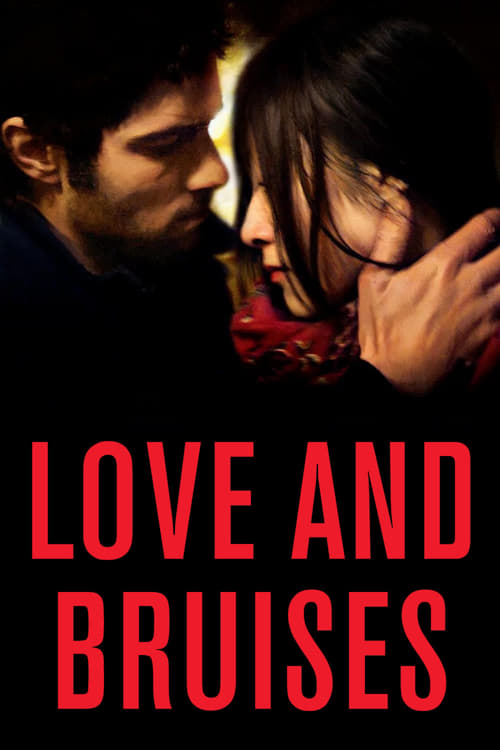
2011
Not RatedDirector
Lou Ye
Runtime
105 minutes
Average Rating
No ratings yetNew Showbiz Analysis
Lou Ye’s *Love and Bruises* is a character study that prioritizes the deconstruction of romantic idealism over broad demographic representation. The film succeeds in challenging traditional gender roles by centering on the complex, unvarnished psychological landscape of its female protagonist. However, the film remains limited by its narrow focus. It operates within a conventional framework and lacks significant representation of LGBTQ+ identities or physical disabilities. The cast is also culturally homogeneous, reflecting a specific geographic setting. Ultimately, the film's strength lies in its critique of social and familial conformity. It favors the messy, subjective reality of the individual over prescriptive societal norms, providing a moderate progressive perspective through its portrayal of female autonomy.
Category Breakdown
The film focuses on a heterosexual relationship and does not include any queer narratives or non-binary gender identities.
Hua is portrayed as having significant control over her own story rather than being a passive character. The film avoids clichés by emphasizing her choices and emotional independence.
The cast reflects a specific Chinese urban experience without much blending of different ethnicities. The film avoids Western-centric casting but remains culturally homogeneous.
The story explores the tension between personal desires and traditional family structures. It emphasizes subjective morality and personal truth over strict institutional ethics.
There is no intentional depiction of physical or neurodivergent disabilities. Emotional instability is shown as a character-driven issue rather than an exploration of disability.
Present on Screen
Limited or Absent
Official Synopsis
Hua, a woman in her late twenties, goes against her family to become a teacher in Paris. She falls in love with men who physically abuse her. Will she ever find her true love?
2015

1980
2000
2022

1998
2004

2006
2011
No reviews yet. Be the first to share your thoughts on this movie!
Use the rating form above to leave a star rating and optional review.