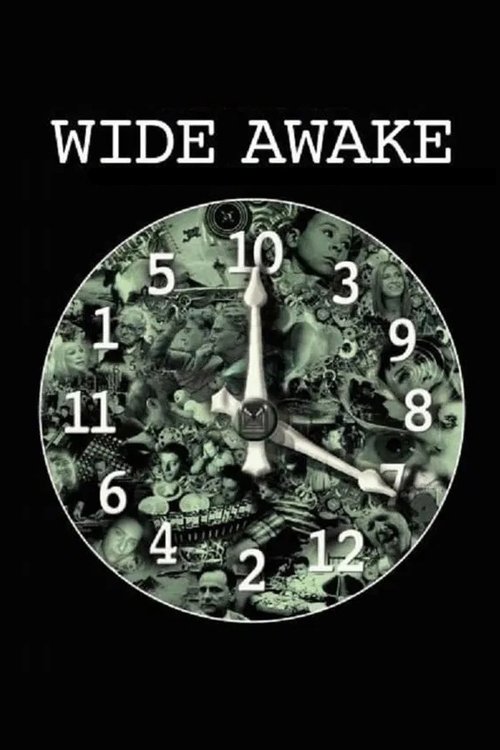
Wide Awake
2006
No user ratings available yet
Representation score: 4.7 out of 10

Representation Score
Excellent
2006
Director
Haskell Wexler
Runtime
78 minutes
Average Rating
No ratings yetNew Showbiz Analysis
Haskell Wexler’s documentary serves as a sharp critique of the American film industry's labor practices. It reframes the standard of hard work as a systemic threat to human welfare rather than a professional virtue. The film's strength lies in its cultural critique of Western industrial capitalism. It challenges the prioritization of corporate output over the biological necessity of sleep. While the narrative architecture focuses on systemic power dynamics, specific details regarding LGBTQ+, racial, and gender-based representation remain unverified within the provided context.
Category Breakdown
The documentary does not provide specific information about LGBTQ+ characters or narratives. The score reflects a neutral baseline for a film focused on systemic labor critiques.
The film critiques industrial environments that prioritize productivity over biological needs. It challenges the traditional heroic laborer cliché by highlighting physiological vulnerability.
It is unclear how the film addresses racial diversity. However, based on Haskell Wexler's history, the work may address how exploitation affects diverse demographics.
The film strongly critiques Western industrial capitalism. It disrupts the celebration of grind culture by framing long workdays as a deadly systemic threat.
By treating sleep deprivation as a central subject, the film highlights a physiological condition as a matter of systemic safety and institutional negligence.
Present on Screen
Limited or Absent
Official Synopsis
A documentary that highlights the deadly combination of sleep deprivation and long days of work, focusing on the American film industry.
2006
1978
1953

1977
2015
2013
2006
2000
No reviews yet. Be the first to share your thoughts on this movie!
Use the rating form above to leave a star rating and optional review.