
La Buena Vida - The Good Life
2015
No user ratings available yet
Representation score: 6.2 out of 10
Representation Score
Fair
2015
Director
Zhao Liang
Runtime
95 minutes
Average Rating
No ratings yetNew Showbiz Analysis
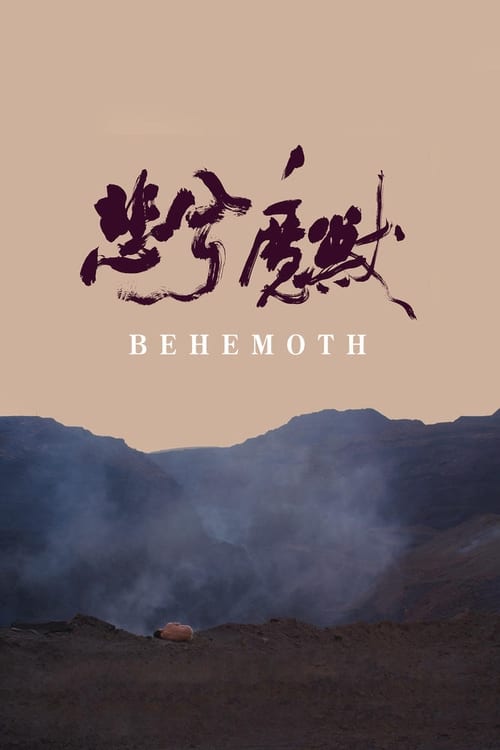
Behemoth is an experimental documentary that prioritizes visual metaphor over traditional character arcs. It uses the scale of heavy machinery and coal dust to meditate on the Anthropocene and the tension between industry and nature. Since the film avoids dialogue and individual narratives, it lacks representation in traditional demographic categories such as gender or LGBTQ+ identity. The human subjects are often rendered as anonymous parts of a larger industrial process. However, the film excels in cultural critique. It provides a sophisticated look at the environmental costs of modernization and the systemic displacement of local populations in China.
Category Breakdown
The film does not depict any LGBTQ+ identities. It focuses solely on the ecological and industrial landscapes of China.
There is no depiction of gendered ability to act due to the absence of character-driven dialogue. People appear as anonymous, ghostlike figures within the industrial machine.
The film centers on the laborers of China's Three Gorges region. However, it lacks individual character depth to provide characters who reflect more than one aspect of diversity.
The work offers a profound critique of industrial capitalism. It depicts the displacement of herdsmen and the destruction of grasslands as a form of purgatory.
The film observes the physical toll of labor, specifically respiratory issues from coal dust. These scenes highlight the systemic impact of industrial harm.
Present on Screen
Limited or Absent
Official Synopsis
Under the sun, the heavenly beauty of grasslands will soon be covered by the raging dust of mines. Facing the ashes and noises caused by heavy mining , the herdsmen have no choice but to leave as the meadow areas dwindle. In the moonlight, iron mines are brightly lit throughout the night. Workers who operate the drilling machines must stay awake. The fight is tortuous, against the machine and against themselves. Meanwhile, coal miners are busy filling trucks with coals. Wearing a coal-dust mask, they become ghostlike creatures. An endless line of trucks will transport all the coals and iron ores to the iron works. There traps another crowd of souls, being baked in hell. In the hospital, time hangs heavy on miners' hands. After decades of breathing coal dust, death is just around the corner. They are living the reality of purgatory, but there will be no paradise.
2015

1977
2005
2013
2000
2010
2004
2019
No reviews yet. Be the first to share your thoughts on this movie!
Use the rating form above to leave a star rating and optional review.