
Berlin: Symphony of a Great City
1927
No user ratings available yet
Representation score: 2.3 out of 10
Representation Score
Limited
1953
Director
Andrzej Wajda
Runtime
11 minutes
Average Rating
No ratings yetNew Showbiz Analysis
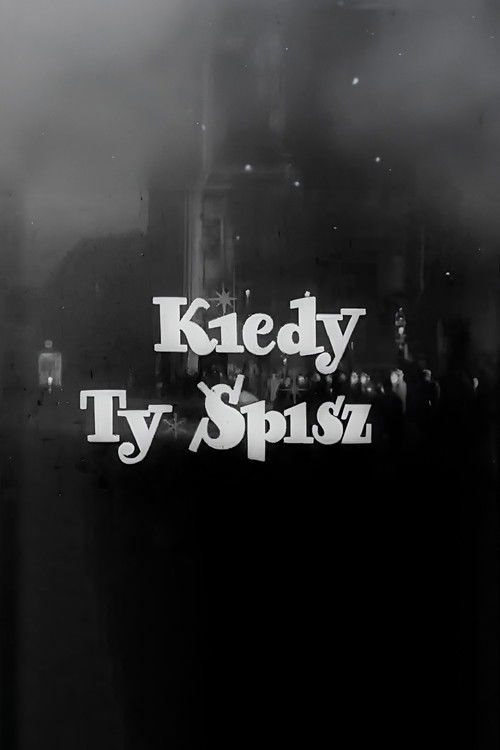
Andrzej Wajda’s documentary presents a unique nocturnal view of urban infrastructure. Using a mother’s bedtime narration, the film creates an intimate connection between home life and the city’s industrial machinery. Though the film lacks modern diverse representation, it effectively emphasizes the collective importance of labor. It shifts attention from individual achievements to the systemic labor that keeps society running during the night. Overall, the work is reflective of its 1953 Polish context. It remains a localized, homogeneous study focused on social interdependence rather than diverse identity politics.
Category Breakdown
The film does not include any representations of LGBTQ+ identities or narratives. It focuses solely on the city's labor force and infrastructure.
A maternal voice narrates the film, emphasizing the female perspective. However, the portrayal of labor follows traditional industrial roles from the time period.
The film reflects the demographic uniformity of 1953 Poland. It studies a specific urban environment without diverse casting.
The film highlights the unseen workers through a collectivist viewpoint. It dismantles daytime hierarchies by presenting the working class as essential to society.
The subjects are characterized by their labor and movement within the urban setting. There is no focus on disability or neurodivergence.
Present on Screen
Limited or Absent
Official Synopsis
Framed as a mother’s bedtime narration to her child, this short documentary observes a city at night, revealing the factories, tram depots, and essential services that operate while most people sleep. Directed by Andrzej Wajda, the film turns nocturnal labor into a quiet civic portrait, emphasizing the unseen workers whose efforts sustain daytime life.
1927
1929
1979
2000
1936
1958

1948
1948
No reviews yet. Be the first to share your thoughts on this movie!
Use the rating form above to leave a star rating and optional review.