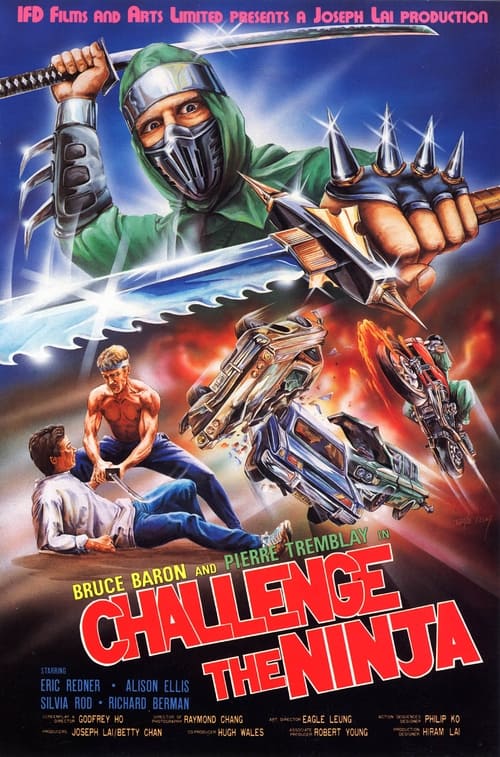
Challenge of the Ninja
1986
No user ratings available yet
Representation score: 3.6 out of 10

Representation Score
Minimal
1988
Director
Godfrey Ho
Runtime
87 minutes
Average Rating
No ratings yetNew Showbiz Analysis
Rage of a Ninja is a standard genre exploitation piece that prioritizes physical conflict over social complexity. Its production method, involving repurposed footage, results in a narrative that lacks intentionality regarding progressive themes. The film relies heavily on established action clichés and masculine leadership. While it provides a non-Western perspective through its East Asian cast, it does not explore complex ethnic identities or disrupt casting norms. Ultimately, the work functions as a commercial product designed for genre fans. It adheres to conventional storytelling models rather than engaging with characters who reflect more than one aspect of diversity or identity-based narratives.
Category Breakdown
The film lacks meaningful LGBTQ+ character arcs or narratives, sticking to traditional genre conventions without any representation of diverse gender identities.
The narrative focuses on male characters and their physical prowess through traditional action-thriller clichés. Women are not given roles that challenge conventional power dynamics.
The cast is predominantly East Asian, reflecting the regional industry of Hong Kong and Taiwan. Race is not used to explore complex ethnic identities or multi-layered experiences.
Themes of secret societies and ancient power serve the plot's momentum. The film does not critique Western institutions and adheres to standard good versus evil conflicts.
There is no evidence of characters with visible or invisible disabilities. The focus remains on able-bodied protagonists engaged in physical combat and theft.
Present on Screen
Limited or Absent
Official Synopsis
"Once they were brothers in the same Golden Circle but their lives followed different paths. There is a ruthless assassin on the police connect a series of violent jewel thefts to him. But, unbeknownst to the police, the thefts are the work of an organised gang dedicated to finding the ancient secrets and power of the Golden Circle. Their leader was once one of the fabled brothers but, he is now intent on evil, power and corruption. He must be stopped at all costs" - VHS back of the box description. Hong Kong cut and paste edit of the 1986 Taiwanese Adult film "午夜激情" (Midnight Passion) with new ninja scenes.
1986
1987
1987

1986
1987
1987

1987
1987
No reviews yet. Be the first to share your thoughts on this movie!
Use the rating form above to leave a star rating and optional review.