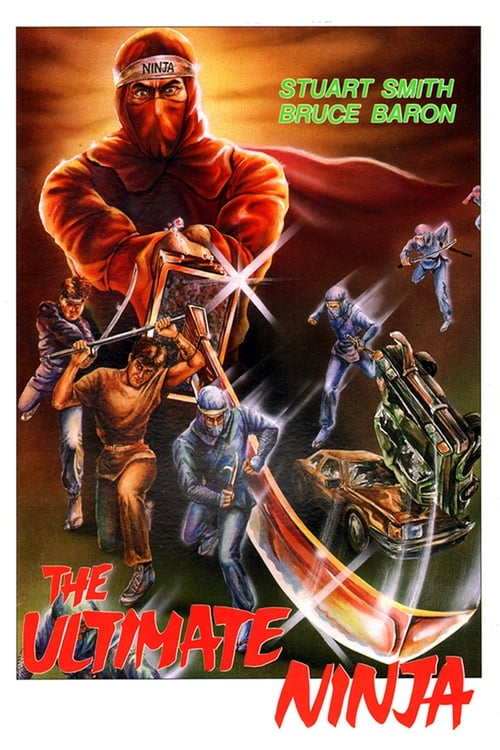
The Ultimate Ninja
1987
No user ratings available yet
Representation score: 1.9 out of 10
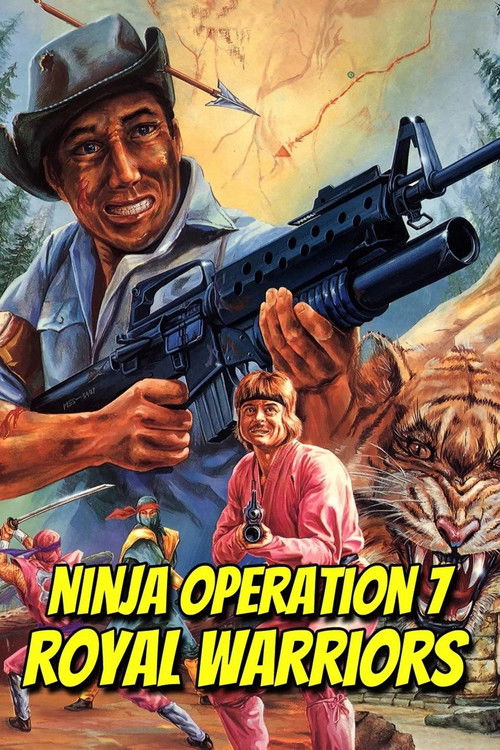
Representation Score
Fair
1987
Director
Godfrey Ho
Average Rating
No ratings yetNew Showbiz Analysis
Ninja Operation 7 - Royal Warriors stands out in its approach to gender and racial representation by centering female combatants and maintaining an East Asian cast. These elements seem to be driven by regional industry and genre conventions rather than explicit social commentary. However, the film lacks representation for LGBTQ+ and disabled characters. Additionally, the narrative remains focused on traditional action clichés without delving into deeper critiques of cultural or systemic issues. Overall, the film demonstrates how genre-specific casting can challenge Western hierarchies of power, even without direct sociopolitical messaging.
Category Breakdown
The film does not include any LGBTQ+ characters or narratives. The character dynamics follow typical 1980s action-genre conventions without any queer undertones.
The story focuses on a female-led team of commandos who hold positions of tactical authority and combat expertise, subverting traditional damsel-in-distress clichés.
The cast is primarily made up of East Asian actors, maintaining a culturally specific identity. The film avoids Western whitewashing by emphasizing a localized, non-Anglo-centric struggle.
The story follows traditional action-adventure clichés related to treasure hunting. It provides little critique of systemic social, religious, or political structures.
There is no visible representation of physical or neurodivergent disabilities. Characters are defined by their peak physical capabilities needed for combat.
Present on Screen
Limited or Absent
Official Synopsis
When the Purple Ninja Empire get their hands on a lost treasure map, the race is on to find the legendary Burmese treasure. Two warriors join forces to claim the riches, but treachery and deceit stand in their way. Hong Kong cut and paste edit of the 1985 Thai and Korean film "밀림의 대탈출/ขุมทองแม่น้ำแคว " (Great Escape From the Jungle) with new ninja scenes.
1987
1981
1970
1987

1993
1969

1982
1980
No reviews yet. Be the first to share your thoughts on this movie!
Use the rating form above to leave a star rating and optional review.