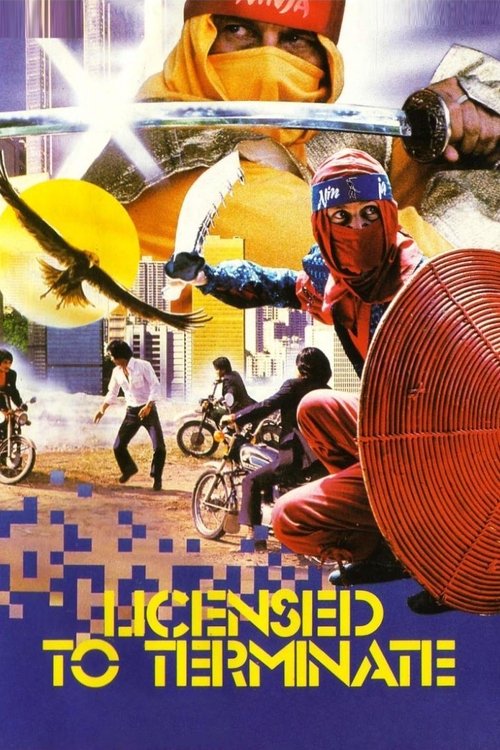
Ninja Operation 3: Licensed to Terminate
1987
No user ratings available yet
Diversity score: 2.7 out of 10

1987
Director
Joseph Lai San-Lun
Runtime
89 minutes
Average Rating
No ratings yetSynopsis
"A hostile warrior just released from prison is hell bent on killing the missionary priest who put him behind bars. He is relentless in his pursuit of the good priest. Meanwhile, the priest teams up with another pure spirited Ninja while on a mission to capture the leader of a gang of thieves terrorizing the local area. This duo is determined to rid the northern continent of all evil Ninja Warriors. The fighting is ferocious as the priest is killed, causing his brother to enter the scene to avenge his death. Both the opposing forces do battle to the grueling end!" - VHS Back of the box description Hong Kong cut and paste edit of the 1974 Taiwanese film "大地龍種 " (Fury in Storm) with new ninja scenes.
Overall Score
Limited
Category Breakdown
LGBTQ+ Representation
The film focuses on traditional themes of vengeance and religious duty. There is no evidence of non-cisnormative identities or same-sex intimacy within the narrative.
Gender Representation
The story centers on male-dominated archetypes like warriors and priests. Agency resides almost exclusively with male characters, reinforcing traditional masculine roles in combat.
Racial & Ethnic Diversity
The cast is ethnically homogeneous, reflecting its Hong Kong and Taiwanese production roots. It does not feature intersectional blending or diverse casting norms.
Religious & Cultural Diversity
The plot relies on a singular moral binary between a good priest and a hostile warrior. It upholds traditional notions of justice and retribution.
Disability Representation
There is no documented evidence of characters possessing visible or invisible disabilities. No such traits are utilized as plot devices.
Strengths
Areas for Improvement
AI Analysis
Ninja Operation 6: Champion on Fire is a genre-driven piece that prioritizes martial arts spectacle over social complexity. Its production as a re-edited composite of older Taiwanese footage suggests a focus on commercial marketability rather than narrative depth. The film adheres to rigid, traditional tropes. It relies on binary moral structures and masculine-centric storytelling, offering little room for diverse perspectives or non-traditional identities. Ultimately, the work functions as a standard action film of its era, reinforcing established social hierarchies through its focus on vengeance and religious duty.
1987
1987

1985
1987
1987

1987
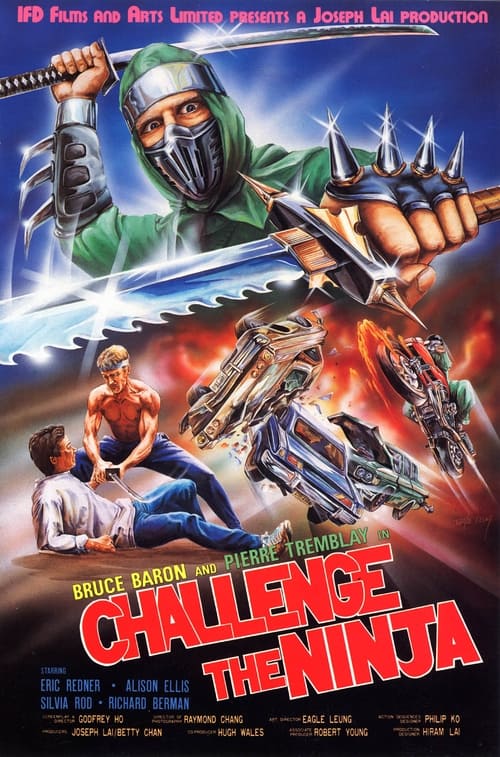
1986
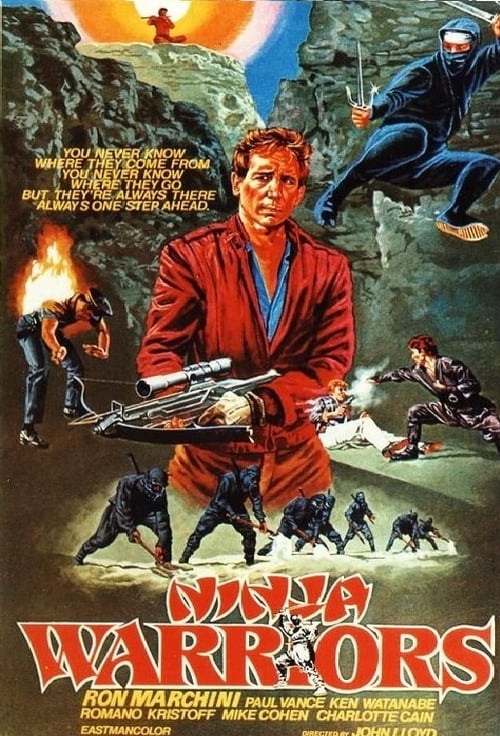
1985
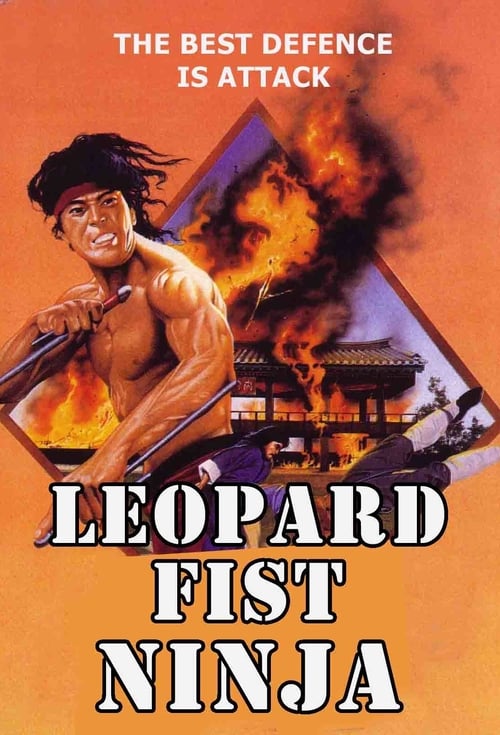
1982
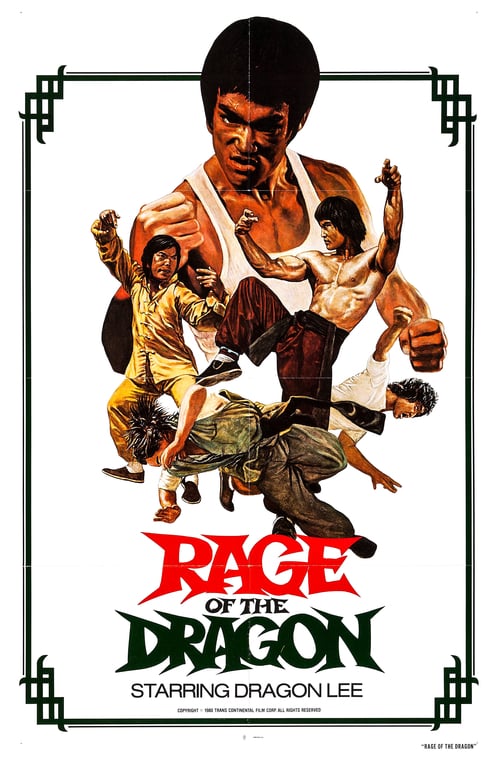
1980
1970
1979
No reviews yet. Be the first to share your thoughts on this movie!
Use the rating form above to leave a star rating and optional review.