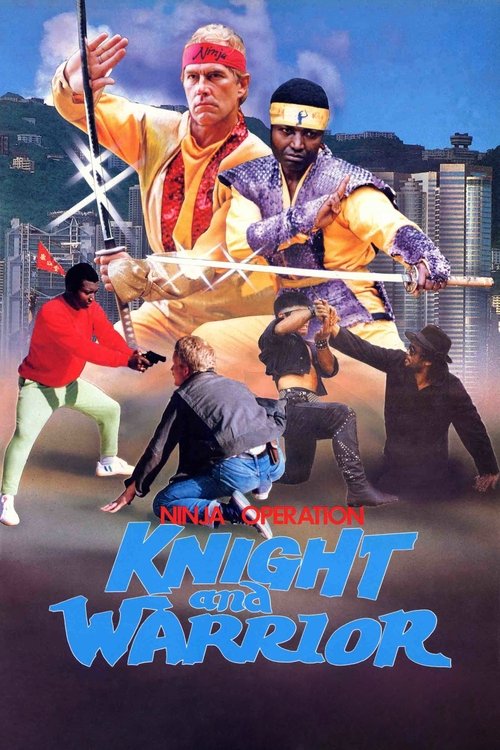
Ninja Operation: Knight and Warrior
1987
No user ratings available yet
Representation score: 2.0 out of 10
Representation Score
Limited
1986
Director
Godfrey Ho
Runtime
86 minutes
Average Rating
No ratings yetNew Showbiz Analysis
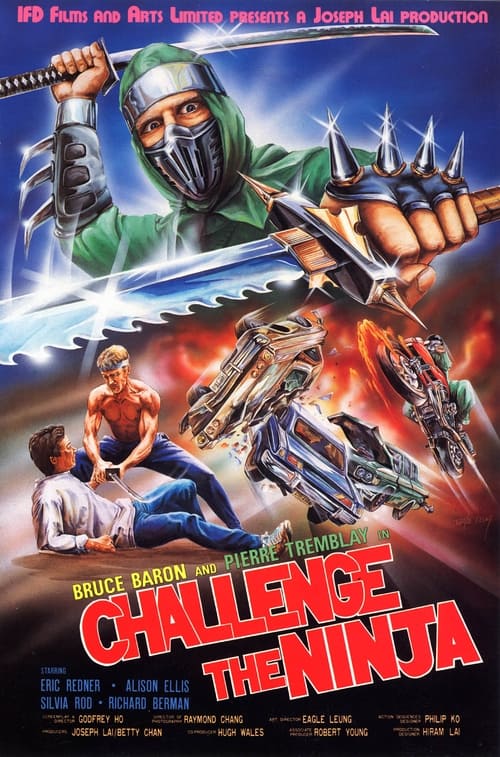
Challenge of the Ninja is a standard exploitation film that prioritizes genre clichés over social complexity. The narrative is built around traditional masculine archetypes and a binary moral structure, leaving little room for diverse perspectives. While the film avoids whitewashing by centering an East Asian cast, its representation remains functional rather than intentional. It serves the martial arts aesthetic without challenging racial or gender hierarchies. Ultimately, the film lacks depth in representing complex identities. It functions as a straightforward action piece that avoids exploring complex identity politics or disrupting established social norms.
Category Breakdown
The film does not feature any LGBTQ+ characters or non-straight identities. It focuses on traditional masculine archetypes typical of 1980s action films.
Male characters like Mark and Billy dominate the narrative, while female characters are either absent or play minor roles. This reinforces a patriarchal structure where combat is seen as a male domain.
The film features a predominantly East Asian cast, emphasizing martial artists of color. While it avoids Western whitewashing, the representation is functional rather than intentional, serving the martial arts aesthetic.
The story follows a conventional hero-versus-villain framework with a binary morality. It lacks engagement with complex themes like systemic oppression, prioritizing physical spectacle over social critique.
The film does not portray characters with disabilities, focusing instead on physical invincibility and excluding narratives about neurodivergence or physical impairment.
Present on Screen
Limited or Absent
Official Synopsis
Mark, a local cop is investigating a string of jewel robberies. He soon discovers that the men behind the crimes is the notorious"Red Devil" and his band of Ninjas. Mark teams up with Billy, a man out for revenge. Hong Kong cut and paste edit of the 1979 Filipino Film "Twin Fists For The Blackmasters" with new ninja scenes.
1987
1985
1987
1967
1987
1980

1986
1990
No reviews yet. Be the first to share your thoughts on this movie!
Use the rating form above to leave a star rating and optional review.