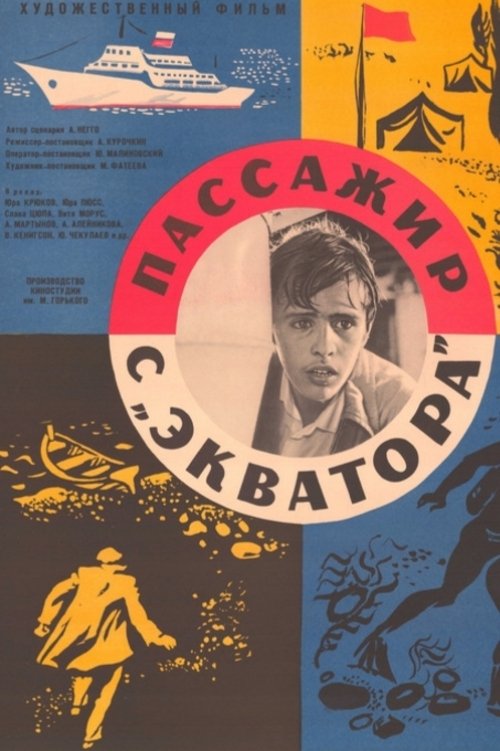
Passenger from the 'Equator'
1970
No user ratings available yet
Representation score: 4.0 out of 10
Representation Score
Minimal
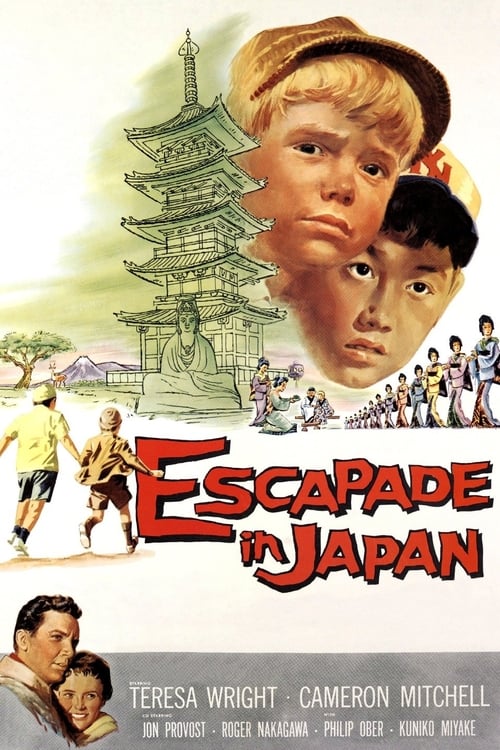
1957
ApprovedDirector
Arthur Lubin
Runtime
93 minutes
Average Rating
No ratings yetNew Showbiz Analysis
Escapade in Japan is a typical example of mid-century Western cinema. The film relies on established Hollywood conventions and traditionalist values of the 1950s, prioritizing conventional storytelling over challenging social norms. Although the story includes cross-cultural interactions, it lacks the intentionality to disrupt dominant cultural frameworks. The narrative structure remains grounded in the social norms of its time. Overall, the film serves as a mainstream family adventure that upholds existing social hierarchies rather than challenging them.
Category Breakdown
The film does not include any LGBTQ+ characters or narratives. It follows the typical domestic and social frameworks common in 1957 studio productions.
The narrative likely reinforces conventional gender roles typical of the era. Women do not hold positions of intellectual or physical authority in the story.
The story includes cross-cultural interactions between an American boy and a Japanese character. However, these interactions likely view East Asian culture through an exotic lens.
The film emphasizes traditional Western values of heroism and social structures. It does not challenge Western-centric or traditionalist perspectives.
There is no mention of characters dealing with physical, sensory, or neurodivergent conditions in the narrative.
Present on Screen
Limited or Absent
Official Synopsis
A plane is forced to land at sea just off the Japanese coast. A young American boy is later befriended by a fisherman's son, with the two setting off on an unintended journey across the country.
1970
1937

1972
1964
1978

1970
1958
1963
No reviews yet. Be the first to share your thoughts on this movie!
Use the rating form above to leave a star rating and optional review.