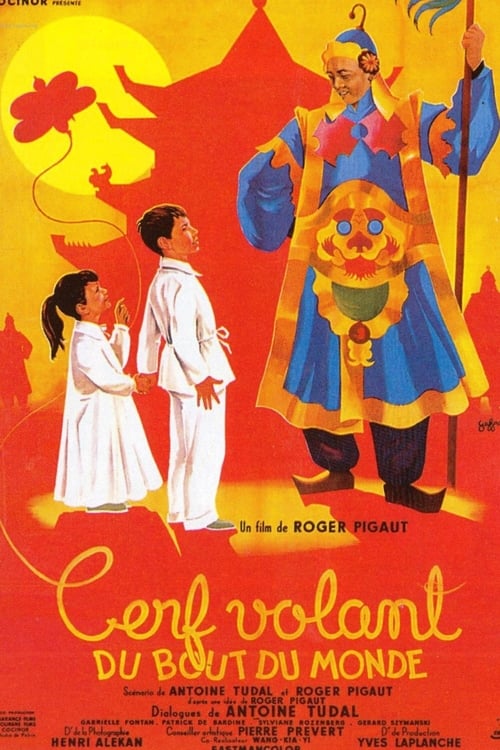
The Magic of the Kite
1958
No user ratings available yet
Diversity score: 5.0 out of 10
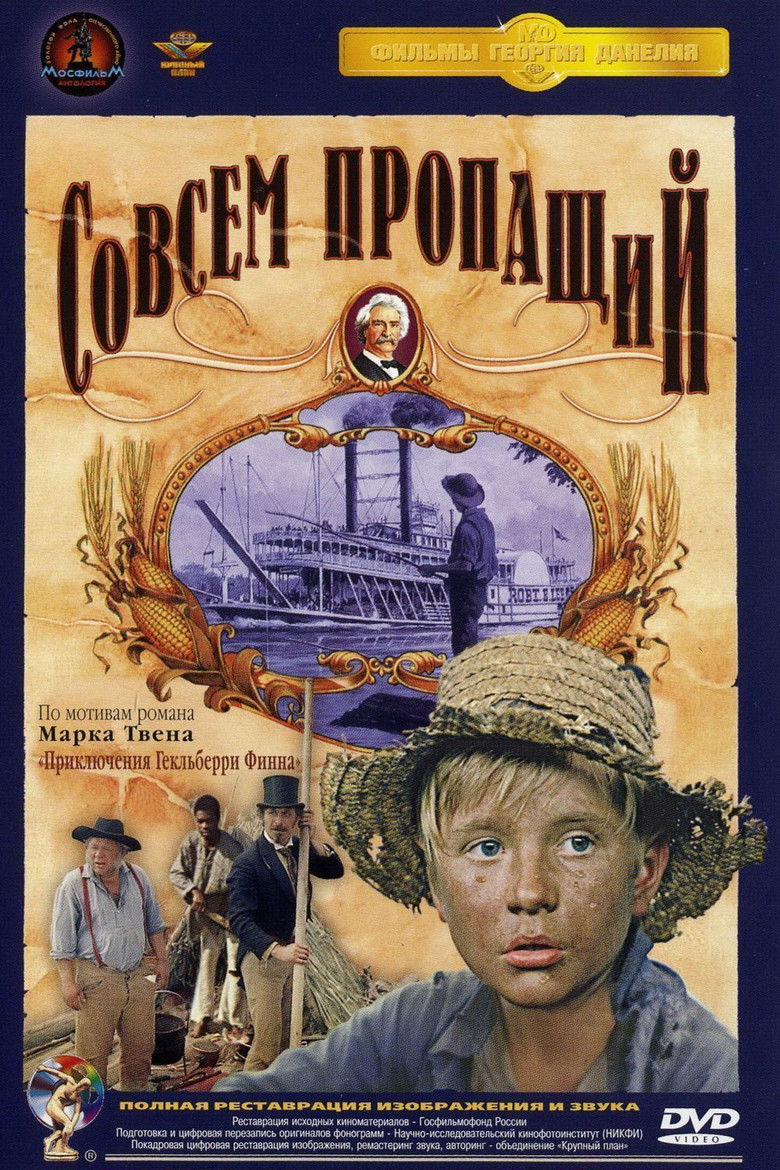
1973
Director
Georgiy Daneliya
Runtime
98 minutes
Average Rating
No ratings yetSynopsis
Soviet adventure comedy film based on Mark Twain's Adventures of Huckleberry Finn.
Overall Score
Good
Category Breakdown
LGBTQ+ Representation
The film lacks explicit evidence of queer narratives or non-heteronormative identities. While the director often explores non-traditional interpersonal dynamics, the focus remains on adolescent friendship within standard social structures.
Gender Representation
The narrative architecture centers primarily on male adolescent agency. However, Soviet cinema of this era often used female roles to subtly critique traditional gender hierarchies and domesticity.
Racial & Ethnic Diversity
As an adaptation of Twain's work, the film addresses themes of race and freedom. It likely uses the struggle against systemic hierarchies to highlight universal battles for agency.
Religious & Cultural Diversity
The film offers a strong critique of established social orders and religious dogmas. It frames the protagonist's journey as an anti-institutional struggle against systemic corruption and rigid class hierarchies.
Disability Representation
There is no documented evidence regarding the inclusion of characters with physical or neurodivergent disabilities in this production.
Strengths
Areas for Improvement
AI Analysis
This Soviet adaptation of Mark Twain's classic focuses on the tension between individual morality and systemic authority. By centering on a protagonist navigating a landscape of inequality, the film challenges traditional power dynamics and institutional adherence. The work's strength lies in its potential for social critique, particularly regarding Western capitalism and class structures. While specific character intersectionality is not explicitly detailed, the director's history of subverting social structures informs the film's thematic depth. Ultimately, the film functions as a study of personal autonomy. It prioritizes situational ethics over rigid societal laws, making it a narrative of individual agency against a backdrop of systemic oppression.
1958

2014
1968
1957
2017
1938
1989
1974

1969
2007
1981
1966
No reviews yet. Be the first to share your thoughts on this movie!
Use the rating form above to leave a star rating and optional review.