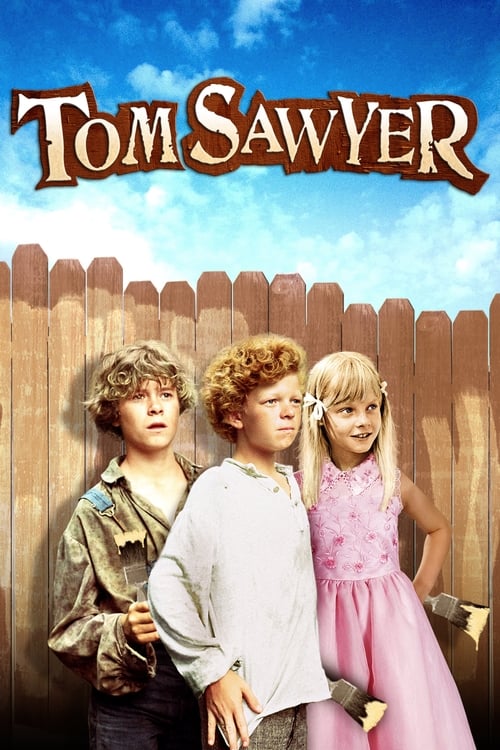
Tom Sawyer
1973
No user ratings available yet
Representation score: 0.7 out of 10
Representation Score
Minimal
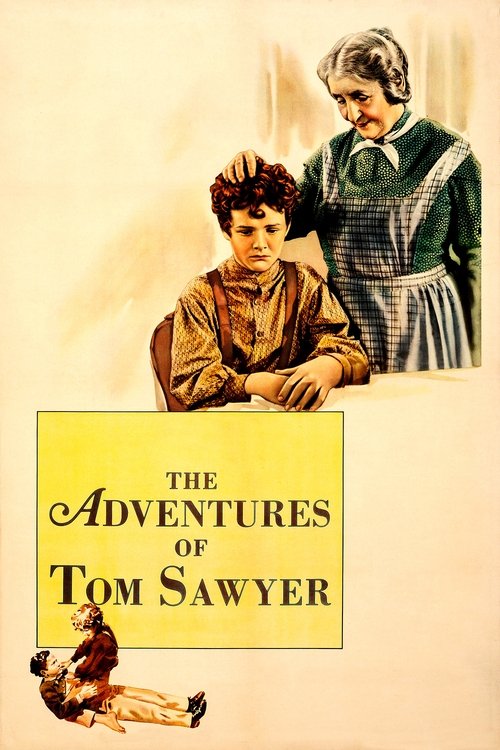
1938
NRDirector
Norman Taurog
Runtime
91 minutes
Average Rating
No ratings yetNew Showbiz Analysis
This 1938 production exemplifies the traditional storytelling methods of the mid-20th century. The film upholds the social, racial, and gender norms of its time through its narrative structure and casting choices. While it captures the essence of youthful rebellion, it operates within a conventional moral framework that avoids systemic critique, prioritizing established social orders over disruption.
Category Breakdown
The film does not include any LGBTQ+ characters or non-cisgender identities. The interpersonal dynamics focus solely on traditional childhood relationships, without engaging with queer identities.
The narrative centers around the male characters Tom and Huck, emphasizing their roles and ability to act. Female characters such as Becky Thatcher primarily serve as romantic interests within the traditional gender roles of the 1930s.
The cast is predominantly white, reflecting the demographic makeup of the era. Characters of color have minimal roles and lack a significant role in driving the story or narrative depth.
The story follows a traditional Western moral framework. Religious institutions and family units are portrayed as stable community pillars, without being critiqued.
The film does not depict any visible or invisible disabilities. Characters with physical or neurodivergent traits are not central to the plot.
Present on Screen
Limited or Absent
Official Synopsis
Tom Sawyer and his pal Huckleberry Finn have great adventures on the Mississippi River, pretending to be pirates, attending their own funeral and witnessing a murder.
1973

2014
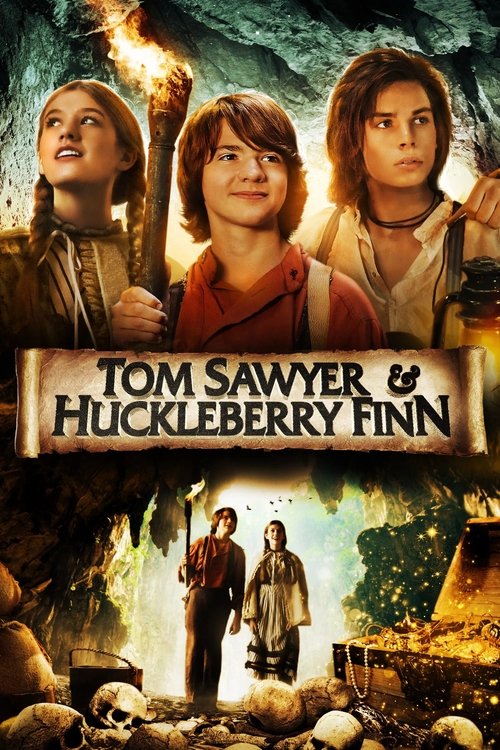
2014

1973
1957
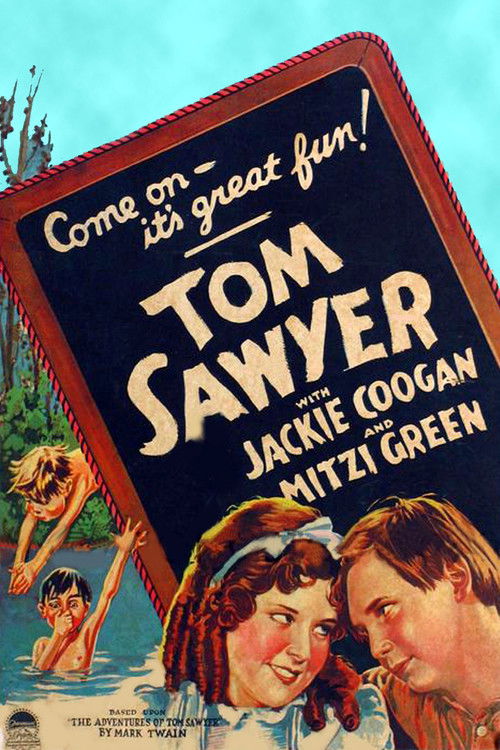
1930

2013
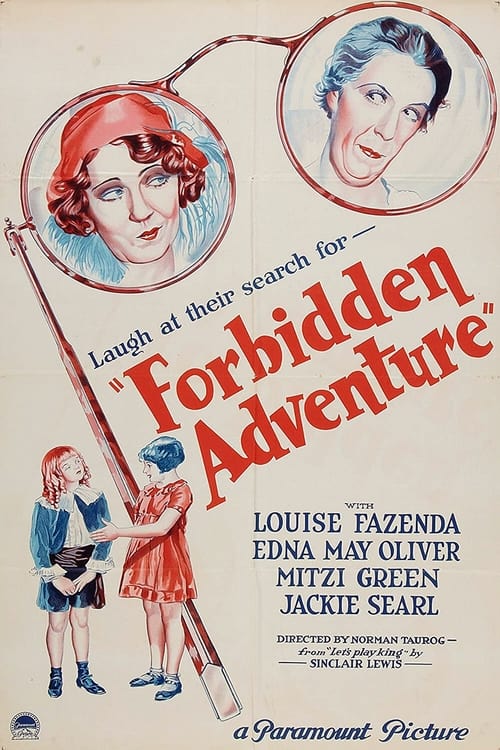
1931
No reviews yet. Be the first to share your thoughts on this movie!
Use the rating form above to leave a star rating and optional review.