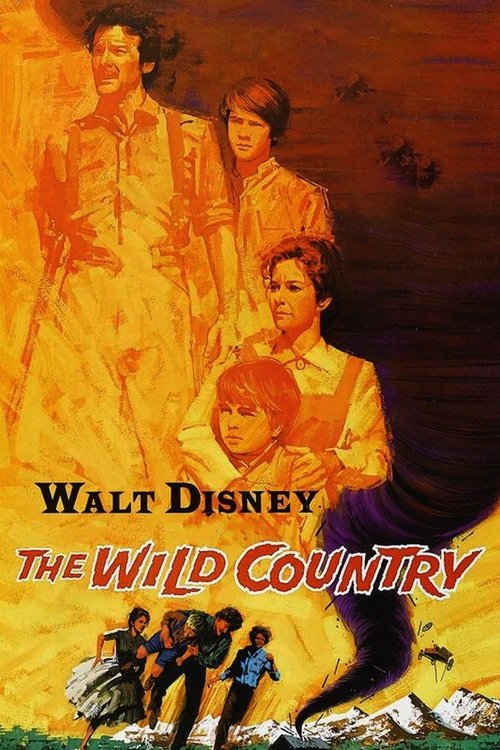
The Wild Country
1970
No user ratings available yet
Representation score: 1.3 out of 10

Representation Score
Minimal
1974
GDirector
Earl Bellamy
Runtime
97 minutes
Average Rating
No ratings yetNew Showbiz Analysis
Seven Alone is a traditional period drama that prioritizes historical Western clichés over diverse representation. The narrative architecture centers on a homogeneous demographic, focusing on the white settler experience during the westward expansion. While the film offers a glimpse into shifting gender roles after the parents' deaths, it ultimately reinforces conventional social hierarchies. Masculine leadership is presented as the primary mechanism for the family's survival. Ultimately, the film serves as a quintessential example of the frontier genre, celebrating survivalist ethics and the endurance of the nuclear family unit against the elements.
Category Breakdown
The film does not depict any LGBTQ+ identities or non-cisgender gender expressions. It operates within a strictly heterosexual framework.
The story briefly explores shifting gender roles after the parents' deaths, but ultimately reinforces traditional masculine leadership as the key to the family's survival.
The narrative focuses almost entirely on a white, Anglo-Saxon pioneer family. Indigenous populations serve mainly as plot catalysts rather than characters with independent depth or ability to act.
The film celebrates traditional frontier values, emphasizing the nuclear family and pioneer resilience. It portrays the 'pioneer spirit' as a core virtue.
Physical ailments like blood poisoning and pneumonia drive the plot. These conditions are treated as biological obstacles to survival rather than explorations of disability.
Present on Screen
Limited or Absent
Official Synopsis
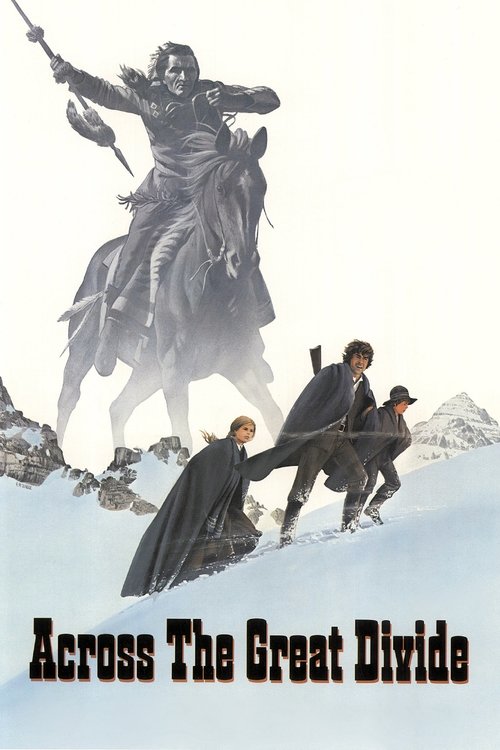
A fictionalized account of the real-life adventure of the Sager family. Travelling with a wagon train from Missouri to Oregon, things are going well for the Sagers, until father Sager dies from blood poisoning following an Indian attack, and mother Sager dies soon afterward from pneumonia. The leaders of the wagon train decide to send the children back, but the oldest, John (who had been described by all the adults as lazy and worthless), decides to lead his siblings through the wilderness to complete the journey their parents started.
1970
1957
1978
1985

1974

1971
1976
1982
No reviews yet. Be the first to share your thoughts on this movie!
Use the rating form above to leave a star rating and optional review.