
Débarquement
1897
No user ratings available yet
Representation score: 2.0 out of 10

Representation Score
Minimal
1896
Director
Auguste Lumière, Louis Lumière
Runtime
1 minutes
Average Rating
No ratings yetNew Showbiz Analysis
As an early piece of cinema, this work serves primarily as a historical document of transit in the late 19th century. It captures a brief moment of passengers disembarking in Lyon, emphasizing observational realism over character development. The lack of diversity is a result of the film's genre and era. Since it is a short documentary clip, it does not have the complexity to explore identity, ability to act, or social hierarchies. Ultimately, the film provides a neutral slice of life. While it does not actively promote traditionalist clichés, it also lacks the intentionality needed to engage with progressive representation.
Category Breakdown
The film does not depict any queer identities or romantic subtexts. Given its brief nature, it does not include any representations of non-traditional gender identities.
Both men and women are shown among the passengers, but they do not play active roles in the story. They are passive participants in the logistical process without taking control or challenging traditional gender roles.
The film reflects the predominantly white population of Lyon in 1896. It does not show any significant diversity or representation of non-white individuals.
The work presents a neutral view of human activity without promoting or criticizing specific cultural or religious institutions. It lacks a structured ideological framework to address these topics.
There are no characters with visible or invisible disabilities shown in the film. The focus is solely on the movement of the crowd.
Present on Screen
Limited or Absent
Official Synopsis
Passengers leaving a ship in Lyon.
1897
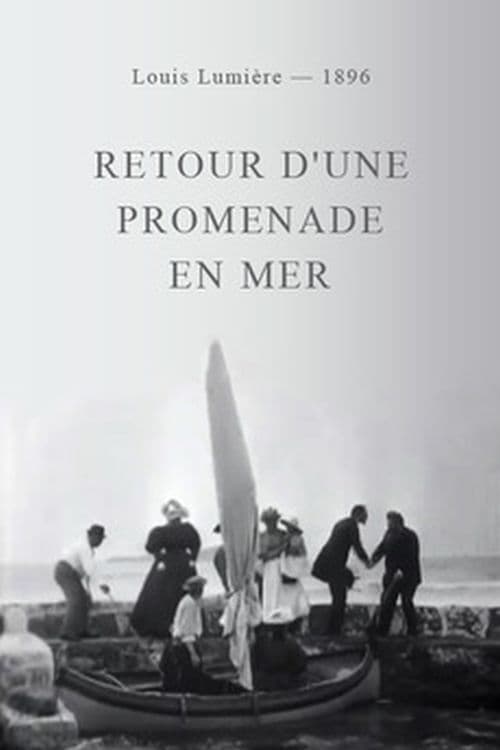
1896
1896

1898

1896
1896

1896

1896
No reviews yet. Be the first to share your thoughts on this movie!
Use the rating form above to leave a star rating and optional review.