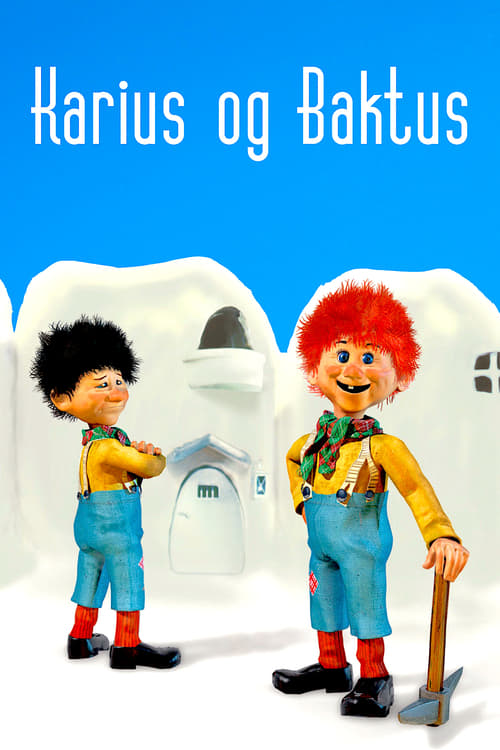
Karius og Baktus
1955
No user ratings available yet
Diversity score: 2.2 out of 10
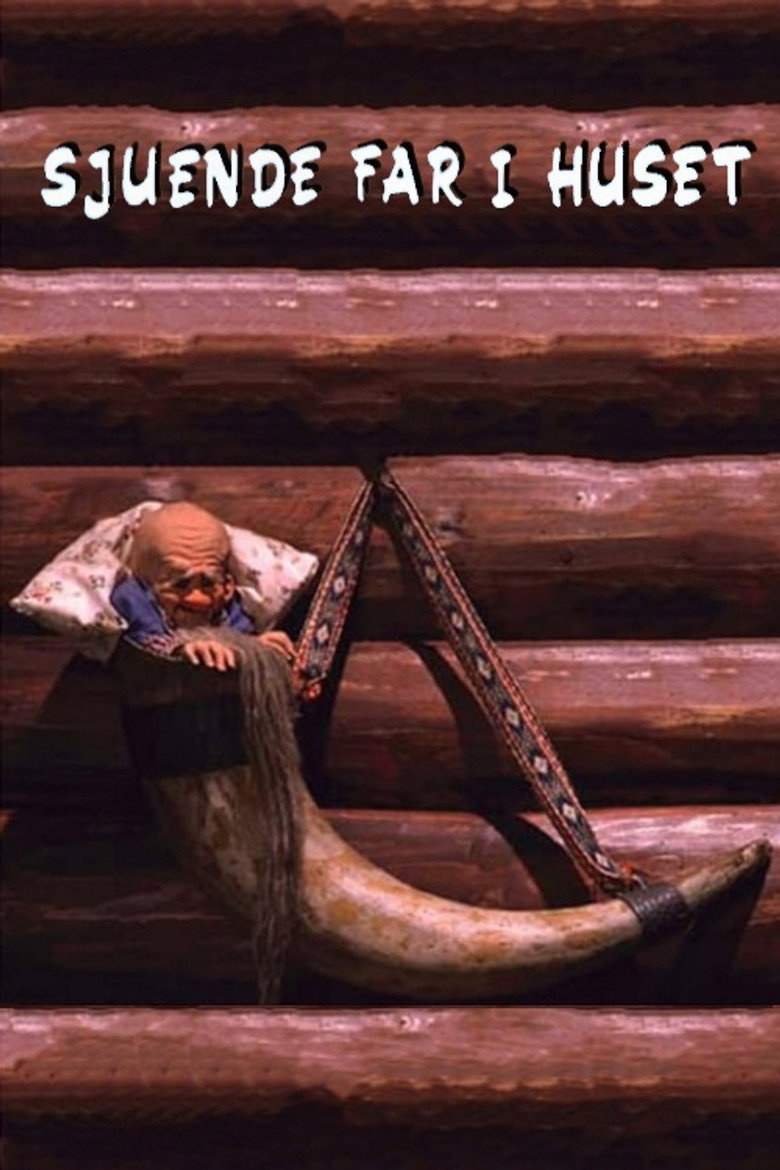
1966
Director
Ivo Caprino
Runtime
12 minutes
Average Rating
No ratings yetSynopsis
Not until four years after The Fox's Widow was the third fairytale movie, The Seventh Master of the House, released – Caprino's personal favourite. This is a wonderful fairytale and a sharp satire on everyday bureaucracy. Caprino knew all about that – in fact, you might say that the movie was an indirect stab at the bureaucrats who had considered all his funding applications.
Overall Score
Limited
Category Breakdown
LGBTQ+ Representation
The film lacks documented evidence of non-cisnormative identities or same-sex intimacy. It operates within a traditional folkloric framework typical of 1966.
Gender Representation
Gender roles appear to follow established mid-century archetypes. However, the film's satirical tone may deconstruct traditional hierarchies through comedic lampooning of authority.
Racial & Ethnic Diversity
The narrative is centered on a culturally homogeneous European setting rooted in Norwegian folklore. There is no evidence of a multi-ethnic cast or diverse racial identities.
Religious & Cultural Diversity
The film offers a progressive critique of institutionalism by satirizing bureaucracy. It challenges the infallibility of administrative systems and systemic power structures.
Disability Representation
There is no information regarding the portrayal of neurodivergence or physical disabilities. No characters with disabilities are identified as driving the plot.
Strengths
Areas for Improvement
AI Analysis
The film is a product of its 1966 Norwegian context, resulting in low demographic diversity. It focuses on local folklore and a homogeneous European setting, offering little in the way of racial or LGBTQ+ representation. However, the work excels in systemic critique. By using animation to satirize bureaucracy, Caprino subverts institutional authority and challenges the sanctity of administrative structures. Ultimately, while the cast lacks modern diversity, the narrative provides a sophisticated social commentary that disrupts conventional expectations of power.
1955
1958
1967
1970
1981
1977
1959
1946
2007
1967
1973

1986
No reviews yet. Be the first to share your thoughts on this movie!
Use the rating form above to leave a star rating and optional review.