Tenebre
1982
No user ratings available yet
Representation score: 3.7 out of 10
Representation Score
Limited
1996
Not RatedDirector
Dario Argento
Runtime
119 minutes
Average Rating
No ratings yetNew Showbiz Analysis
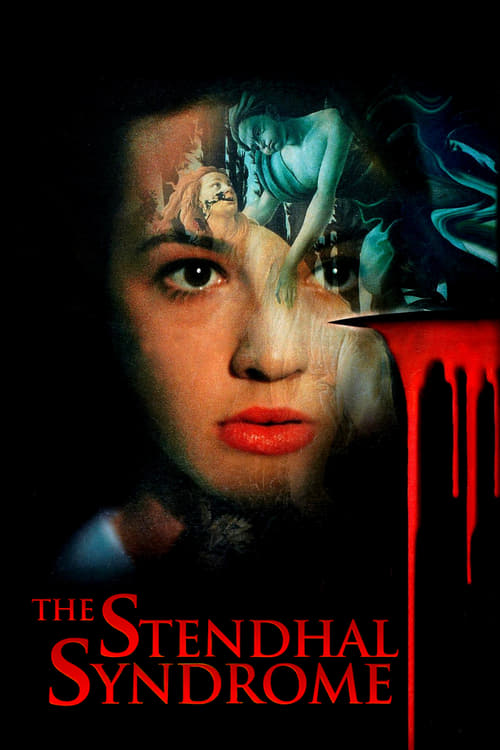
The film centers on a female protagonist's internal fragmentation, disrupting traditional male-led hero archetypes. It offers a stylized look at neurodivergence through the lens of Stendhal Syndrome, making psychological instability a core component of the visual experience. However, the work remains deeply rooted in a Eurocentric and assuming gender matches what was assigned at birth framework. The setting and cast lack diverse representation, focusing almost exclusively on a localized European cultural context. Ultimately, while the film provides a nuanced psychological study, it lacks the diverse representation needed to move beyond a traditional, narrow perspective.
Category Breakdown
The film does not feature any prominent LGBTQ+ characters or non-binary identities. The story revolves around the protagonist's psychological journey and the central thriller elements.
A female protagonist demonstrates significant intellectual ability to act in a male-dominated professional sphere. However, the story often emphasizes her psychological vulnerability and victimization.
The cast and setting are predominantly white, reflecting a Eurocentric focus on the Italian art world. There is a lack of diverse casting or intentional racial blending.
The film uses the grandeur of Western art to explore instability rather than critique Western institutions. It delves into subjective reality through a postmodernist lens.
The narrative incorporates a psychosomatic condition into the film's visual and psychological reality. It gives the protagonist ability to act in how she perceives her environment.
Present on Screen
Limited or Absent
Official Synopsis
A young policewoman slowly goes insane while tracking down an elusive serial rapist/killer through Italy when she herself becomes a victim of the brutal man's obsession.
1982
1970

1987

2005

2001
1976
1975

1986
No reviews yet. Be the first to share your thoughts on this movie!
Use the rating form above to leave a star rating and optional review.