The Bird with the Crystal Plumage
1970
No user ratings available yet
Representation score: 1.8 out of 10
Representation Score
Limited
1982
RDirector
Dario Argento
Runtime
101 minutes
Average Rating
No ratings yetNew Showbiz Analysis
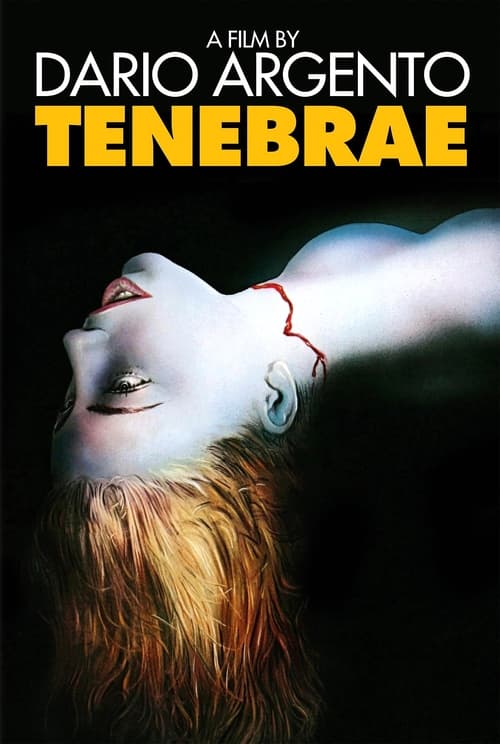
Dario Argento’s *Tenebre* is a sophisticated exploration of the crime genre, yet it remains rooted in the conventions of its time. The film excels in its stylistic and formalist approach, but it does not delve into multi-layered themes or diverse representation. While the narrative is rich in meta-textual commentary, it lacks engagement with broader social issues. The film’s strength lies in its psychological and stylistic complexity, but it does not challenge traditional social norms or include underrepresented identities.
Category Breakdown
The film does not include any LGBTQ+ characters or non-straight relationships, sticking to traditional heterosexual relationships.
Women play key roles in driving the mystery but are often portrayed in vulnerable positions typical of 'damsel in distress' scenarios.
The main character is an American in Rome, creating a cross-cultural experience, but the cast is predominantly white with little racial diversity.
The film focuses on the mechanics of a crime mystery without addressing religious or cultural themes. It does not challenge Western institutions or ideologies.
The film does not feature any meaningful representation of physical or neurodivergent disabilities, nor does it explore the experiences of disabled individuals.
Present on Screen
Limited or Absent
Official Synopsis
A razor-wielding serial killer is on the loose, murdering those around Peter Neal, an American mystery author in Italy to promote his newest novel.
1970
1971
1975
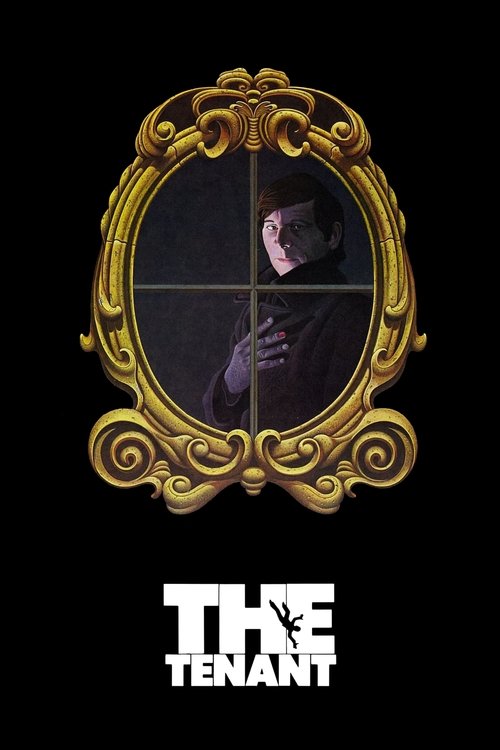
1976

1987
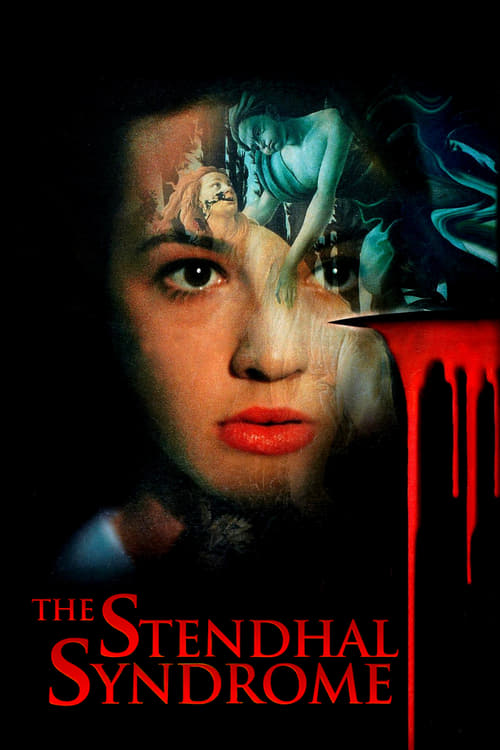
1996
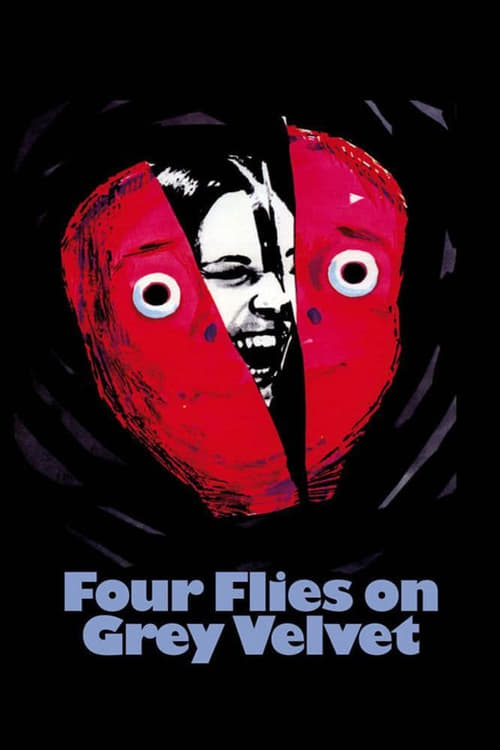
1971

2001
No reviews yet. Be the first to share your thoughts on this movie!
Use the rating form above to leave a star rating and optional review.