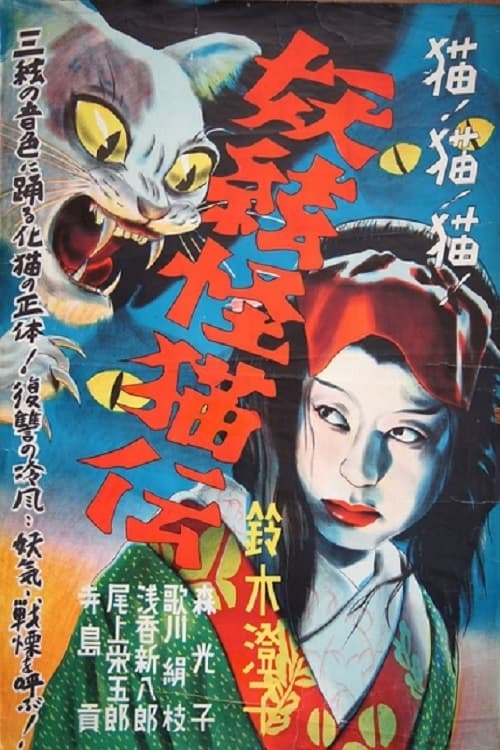
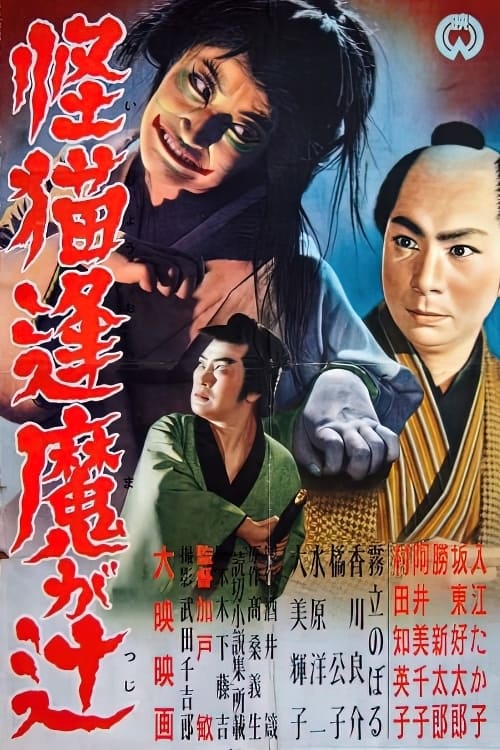
The Ghost Cat and the Mysterious Shamisen
1938
No user ratings available yet
Representation score: 2.3 out of 10
Representation Score
Limited
1954
Director
Bin Katō
Runtime
82 minutes
Average Rating
No ratings yetNew Showbiz Analysis
This film is a traditional horror piece that emphasizes classical folklore over modern social critique. While it centers around a female character, her role is marked by tragedy and victimization rather than empowerment. The production reflects the cultural homogeneity of mid-century Japan, functioning as an authentic period piece but lacking the complexity of contemporary storytelling. It relies on established supernatural clichés and traditional theatrical structures, reinforcing historical norms without challenging them.
Category Breakdown
The film does not include any explicit depictions of LGBTQ+ identities or same-sex relationships. It follows the traditional norms of 1950s Japanese cinema.
A female kabuki actress serves as the main character, but her role diminishes after she is murdered and transforms into a supernatural force for vengeance.
The cast is culturally uniform, reflecting the homogeneity typical of its time period. It offers an authentic glimpse into its specific historical context.
The story is deeply rooted in Japanese folklore and Kabuki traditions. It upholds traditional superstitions and the importance of theatrical customs without questioning them.
The film does not depict any characters with physical, neurodivergent, or mental health disabilities.
Present on Screen
Limited or Absent
Official Synopsis
A kabuki actress is murdered. Her pet cat laps its mistress's blood and becomes a demon possessed by the vengeful murder victim.
1938
1968
1958
1964

1969
1965
1957
1966
No reviews yet. Be the first to share your thoughts on this movie!
Use the rating form above to leave a star rating and optional review.