
Female Prisoner Sigma
2006
No user ratings available yet
Representation score: 4.6 out of 10
Representation Score
Fair
1987
Director
Junichi Suzuki
Runtime
70 minutes
Average Rating
No ratings yetNew Showbiz Analysis
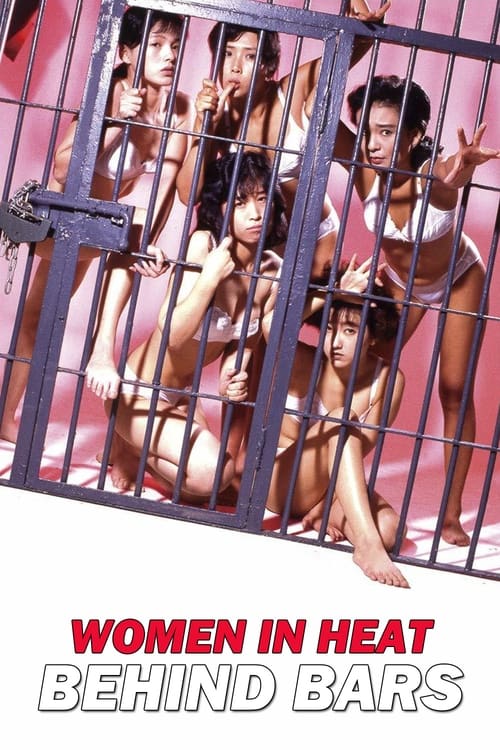
Women in Heat Behind Bars functions as a genre-driven exploration of institutional conflict. It successfully centers female experiences and challenges traditional gendered power structures by focusing on the internal social dynamics of a female correctional facility. However, the film lacks complexity in representing diverse identities. Limited by its era and localized production, it offers little in the way of multi-ethnic or LGBTQ-specific character development. Ultimately, the work provides a meaningful critique of systemic hostility and state authority, even if it remains within the stylistic constraints of 1980s Japanese crime cinema.
Category Breakdown
The film examines interpersonal tensions and sexual frustration within a female prison but does not explicitly depict specific LGBTQ identities or romantic arcs.
The narrative focuses on female empowerment and survival within a female-only setting, shifting attention away from male-dominated crime clichés to emphasize female resilience.
As a localized Japanese production, the film features a homogeneous cast and does not showcase multi-ethnic casting or subversion of ethnic stereotypes.
The story critiques institutional power by depicting the prison system as a corrupt and oppressive environment. It highlights individual struggles against state authority.
There is no mention of characters dealing with physical, sensory, or neurodivergent disabilities in the provided narrative details.
Present on Screen
Limited or Absent
Official Synopsis
Shinobu Himeno is arrested and thrown into Asahi Female Prison for being an unwilling accomplice in a jewelry store robbery. She’s to serve her sentence in the infamous Cell Block 21, a dismal area full of tough, sex-starved women. Himeno is bullied and abused by inmates and guards. After being framed for starting a fight, she is taken away and tied up. Can the shy Himeno ever escape this living hell?
2006
1972

1974
2007

1973

1976

1998
2007
No reviews yet. Be the first to share your thoughts on this movie!
Use the rating form above to leave a star rating and optional review.