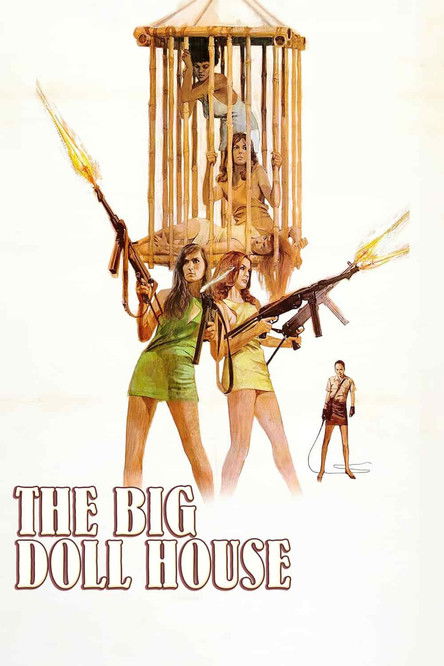
The Big Doll House
1971
No user ratings available yet
Representation score: 7.9 out of 10
Representation Score
Good
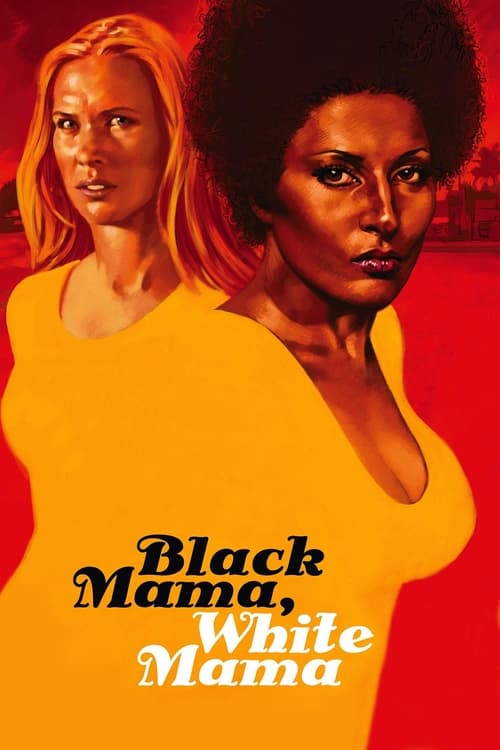
1973
RDirector
Eddie Romero
Runtime
87 minutes
Average Rating
No ratings yetNew Showbiz Analysis
Black Mama, White Mama stands out for its subversion of 1970s cinematic norms, especially regarding gender and race. By featuring Black and white women in powerful, physically dominant roles, the film moves away from the era's patriarchal structures. The multi-ethnic setting and the central role of a Black woman provide a complex landscape that challenges the usual Western-centric storytelling in mainstream action cinema. This approach enhances the film's diversity. However, the film lacks representation of LGBTQ+ identities and disability, lowering its overall score. It adheres to the typical straight-centered and able-bodied themes of 1970s exploitation cinema.
Category Breakdown
The film doesn't include explicit LGBTQ+ identities or same-sex romantic relationships. The interpersonal conflicts focus on racial and ideological differences rather than queer dynamics.
The story challenges traditional gender roles by highlighting the strong, independent women as leaders in violent situations. The female characters are shown as physically tough and combative, not passive.
Pam Grier’s central role in a Southeast Asian setting challenges the usual Western focus. The cast includes Black, white, and Filipino actors, creating a diverse environment.
The film depicts a disregard for Western legal systems and traditional social order. Instead, it emphasizes personal ethics and individual survival.
The film does not feature any meaningful representation of disability. Characters are defined by their physical strength and resilience in the jungle.
Present on Screen
Limited or Absent
Official Synopsis
When two troublemaking female prisoners (one a revolutionary, the other a former harem-girl) can't seem to get along, they are chained together and extradited for safekeeping. The women, still chained together, stumble, stab, and cat-fight their way across the wilderness, igniting a bloody shootout between gangsters and a group of revolutionaries.
1971
1972

1972
1975
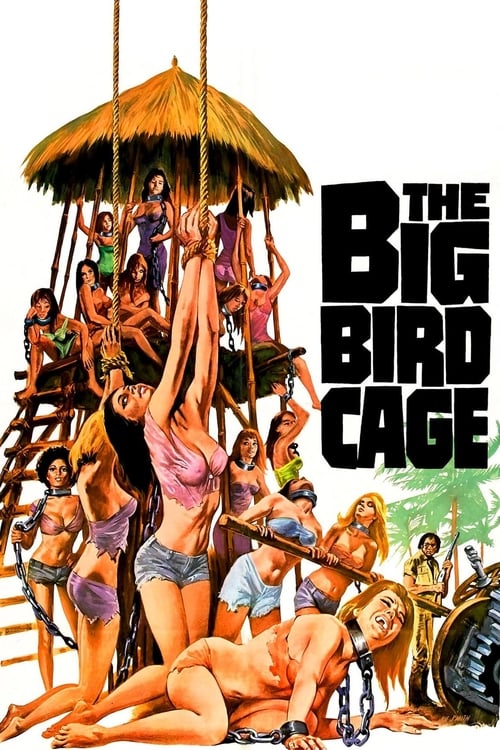
1972
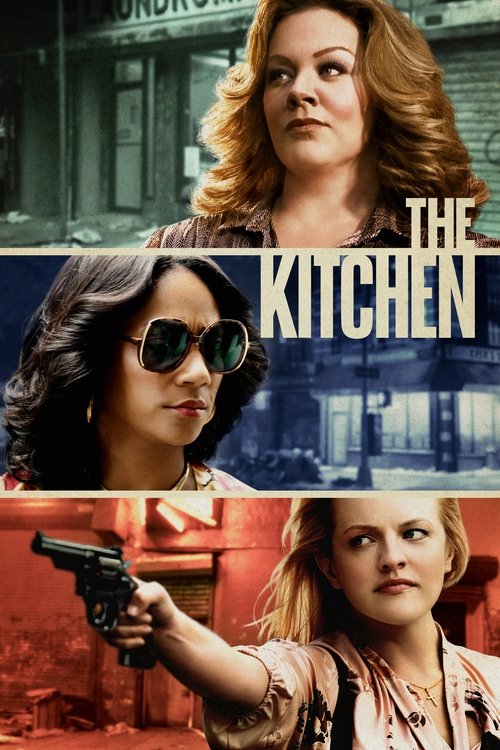
2019
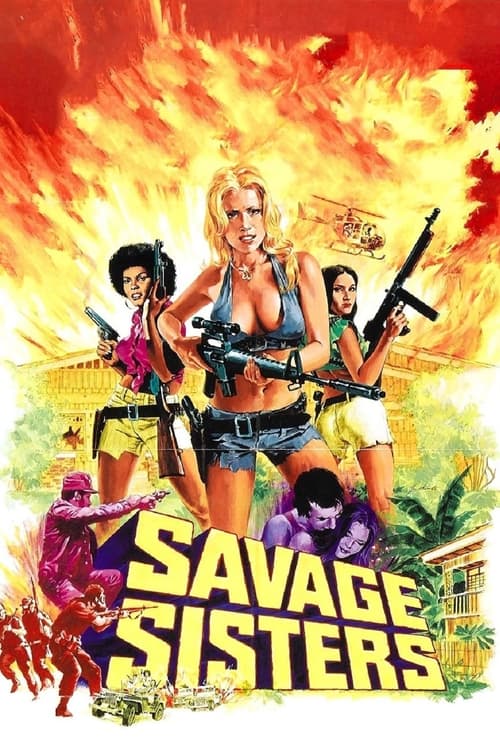
1974
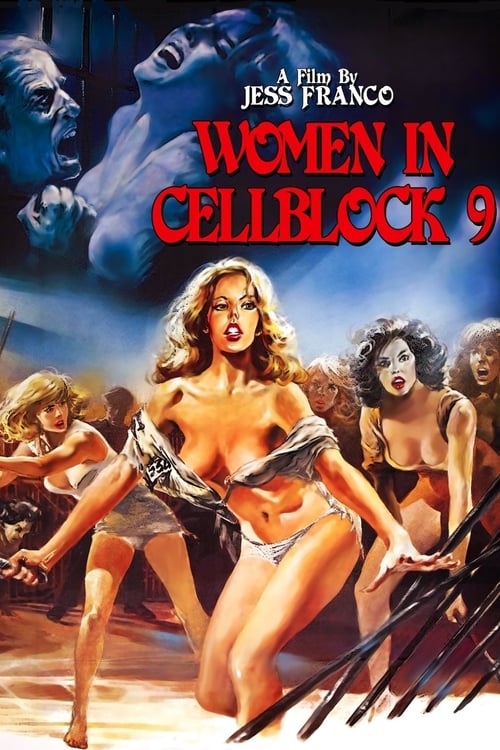
1978
No reviews yet. Be the first to share your thoughts on this movie!
Use the rating form above to leave a star rating and optional review.